Construction projects involve countless moving parts, from budgeting and scheduling to workforce management and regulatory compliance. Without strong leadership, even well-planned developments can encounter costly delays, communication breakdowns, and quality issues. This is why experienced project managers play such a vital role in successful construction projects.
A project manager serves as the central point of coordination, ensuring that stakeholders, contractors, suppliers, and clients remain aligned throughout the project lifecycle. Understanding the requirements of an effective construction project manager helps organisations build stronger teams and deliver better project outcomes.
Core Responsibilities Of A Construction Project Manager

Construction project managers oversee projects from initial planning through to final completion. Their responsibilities extend far beyond simple supervision and require both technical knowledge and leadership skills.
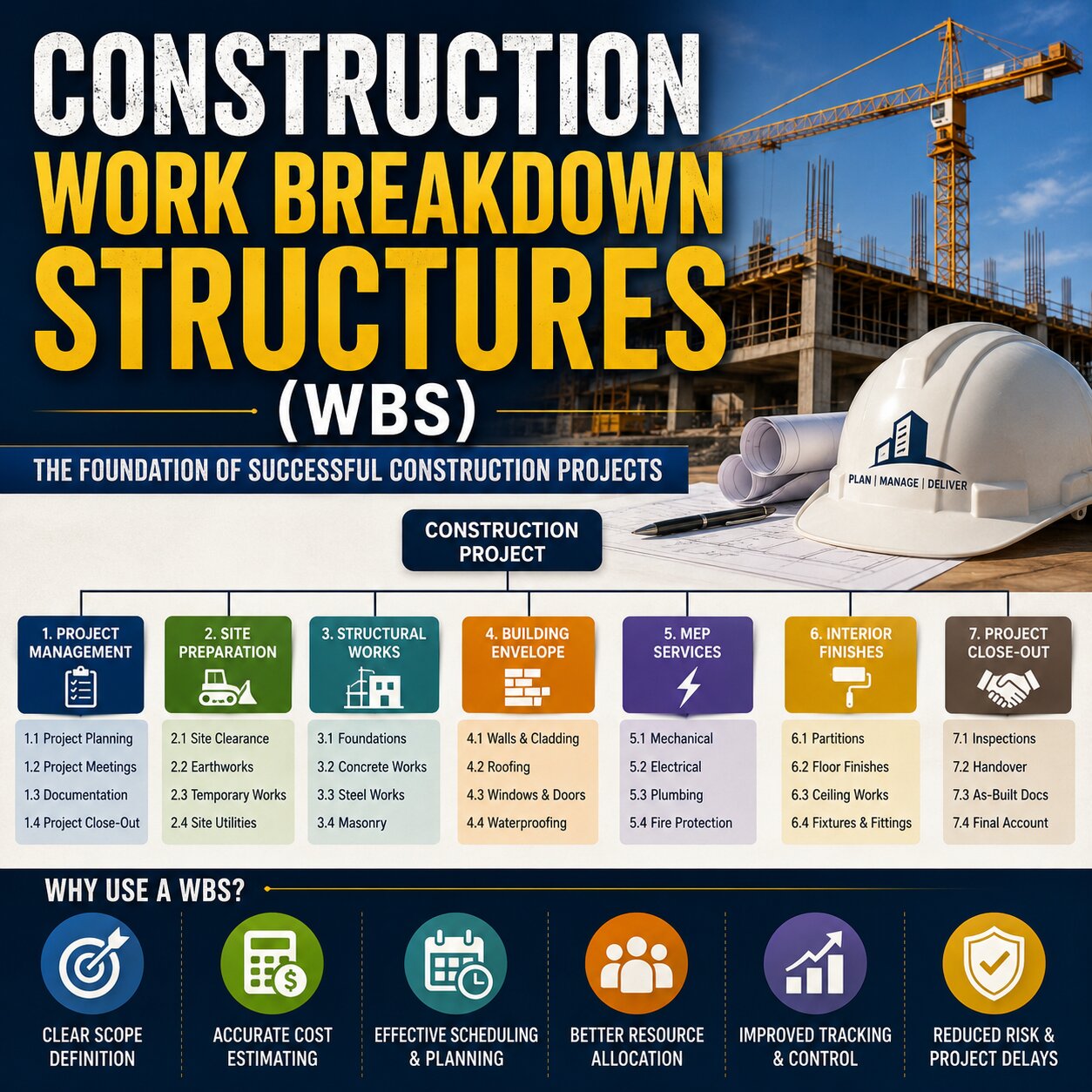
During the planning phase, project managers help establish project objectives, define scope, create schedules, and develop realistic budgets. They also coordinate with architects, engineers, consultants, and clients to ensure all requirements are clearly understood.
As construction begins, project managers monitor progress, manage resources, address challenges, and maintain communication between all parties involved. Their ability to make informed decisions often determines whether a project remains on schedule and within budget.
Quality control, risk management, and stakeholder reporting also form essential components of the role.
Essential Skills And Qualifications

Successful construction project managers combine technical expertise with strong people-management abilities.
Most project managers possess qualifications in construction management, engineering, quantity surveying, architecture, or related disciplines. Industry certifications can further demonstrate professional competence and commitment.
Communication skills are equally important. Project managers must communicate effectively with clients, contractors, suppliers, regulators, and internal teams.
Strong problem-solving abilities help managers respond quickly to unexpected challenges, while organisational skills enable them to oversee multiple activities simultaneously.
Leadership remains one of the most valuable qualities, as project managers are responsible for guiding teams towards shared objectives.
Key Requirements For Effective Project Delivery
Construction project managers must demonstrate competency across several critical areas.
- Project planning and scheduling
- Budget development and cost control
- Contract administration
- Risk assessment and mitigation
- Quality assurance management
- Health and safety compliance
- Resource allocation and workforce management
- Stakeholder communication and reporting
- Procurement coordination
- Regulatory and environmental compliance
Mastery of these areas helps ensure smoother project execution and reduces the likelihood of costly disruptions.
Technology And Modern Project Management

Today’s construction projects increasingly rely on digital tools to improve efficiency and visibility.
Project managers often utilise project management software, Building Information Modelling (BIM) platforms, scheduling systems, document management solutions, and reporting dashboards. These technologies provide real-time information that supports faster and more informed decision-making.
Data-driven project management allows managers to identify potential issues earlier, improve forecasting accuracy, and optimise resource utilisation throughout the project lifecycle.
As construction technology continues to evolve, project managers must remain adaptable and willing to embrace new tools and methodologies.
Driving Construction Success
The success of any construction project depends heavily on effective project management. Skilled project managers bring together planning, leadership, technical expertise, and communication to guide projects from concept to completion.
By understanding the requirements of the role and investing in qualified professionals, construction organisations can improve project outcomes, strengthen stakeholder relationships, and deliver developments that meet expectations for quality, cost, and schedule performance.