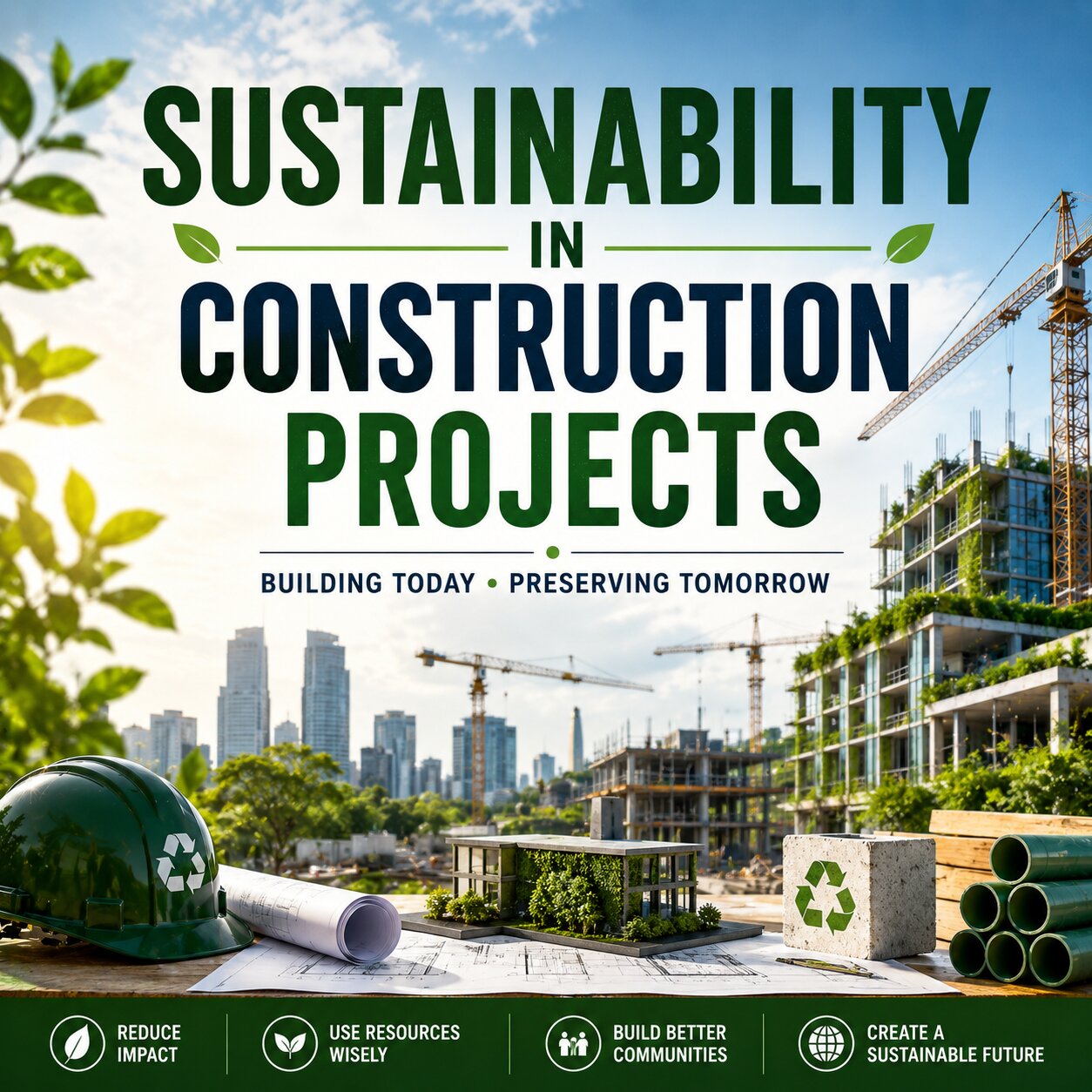
Sustainability has become one of the most important considerations in modern construction. As cities expand and infrastructure demands continue to grow, developers, contractors, and property owners are increasingly looking for ways to reduce environmental impact while maintaining quality, efficiency, and profitability.
The construction industry has historically been a significant consumer of natural resources and a major contributor to waste generation. Today, however, new technologies, materials, and management practices are making it possible to deliver projects that are both environmentally responsible and economically viable.
Sustainability in construction projects is no longer simply a trend. It is becoming a standard expectation among clients, investors, regulators, and communities seeking long-term value from the built environment.
Why Sustainability Matters In Modern Construction
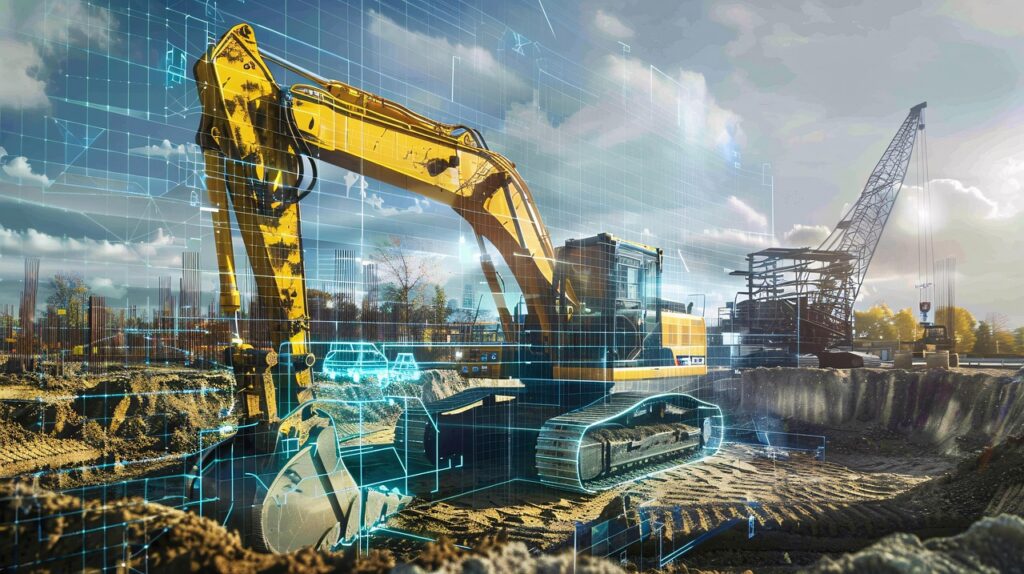
Construction projects affect the environment throughout their entire lifecycle. From material extraction and transportation to building operations and eventual demolition, every stage has an environmental footprint.
Sustainable construction seeks to minimise these impacts by reducing resource consumption, lowering emissions, and improving energy efficiency. This approach benefits not only the environment but also project stakeholders who gain from reduced operating costs and improved asset performance.
Many governments and municipalities are also introducing stricter environmental regulations. Projects that incorporate sustainability from the planning phase are often better positioned to meet compliance requirements and avoid costly redesigns later.
In addition, sustainable buildings frequently achieve higher market values due to growing demand from environmentally conscious investors and tenants.
Sustainable Planning Starts Early
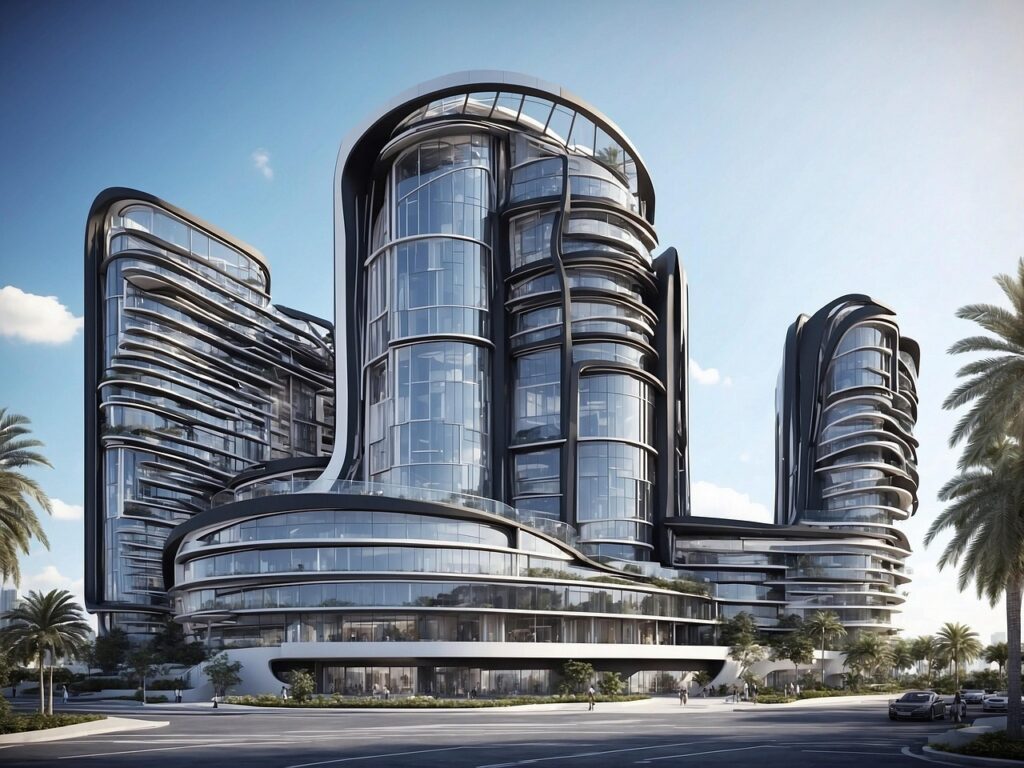
Successful sustainability in construction projects begins long before the first foundation is poured. Early planning allows project teams to identify opportunities for reducing environmental impact and improving resource efficiency.
Site selection plays an important role in this process. Choosing locations with existing infrastructure and public transport access can significantly reduce future environmental impacts. Careful site analysis also helps minimise disruption to local ecosystems and surrounding communities.
Design teams can further improve sustainability by incorporating passive heating and cooling strategies, natural lighting, efficient building layouts, and renewable energy integration. These considerations often provide long-term benefits that outweigh initial implementation costs.
Collaboration between architects, engineers, contractors, and stakeholders during the planning phase helps ensure sustainability goals remain achievable throughout the project lifecycle.
Key Areas Of Sustainable Construction
Several factors contribute to effective sustainability in construction projects. Addressing these areas collectively creates stronger environmental and financial outcomes.
Key considerations include:
- Energy-efficient building design
- Sustainable and recycled construction materials
- Water conservation systems
- Waste reduction and recycling programmes
- Renewable energy integration
- Responsible sourcing of materials
- Low-carbon construction methods
- Improved indoor environmental quality
- Lifecycle cost analysis
- Environmental compliance and certification standards
Each of these elements contributes to creating buildings that perform efficiently while reducing their impact on the environment.
Technology Driving Sustainable Outcomes
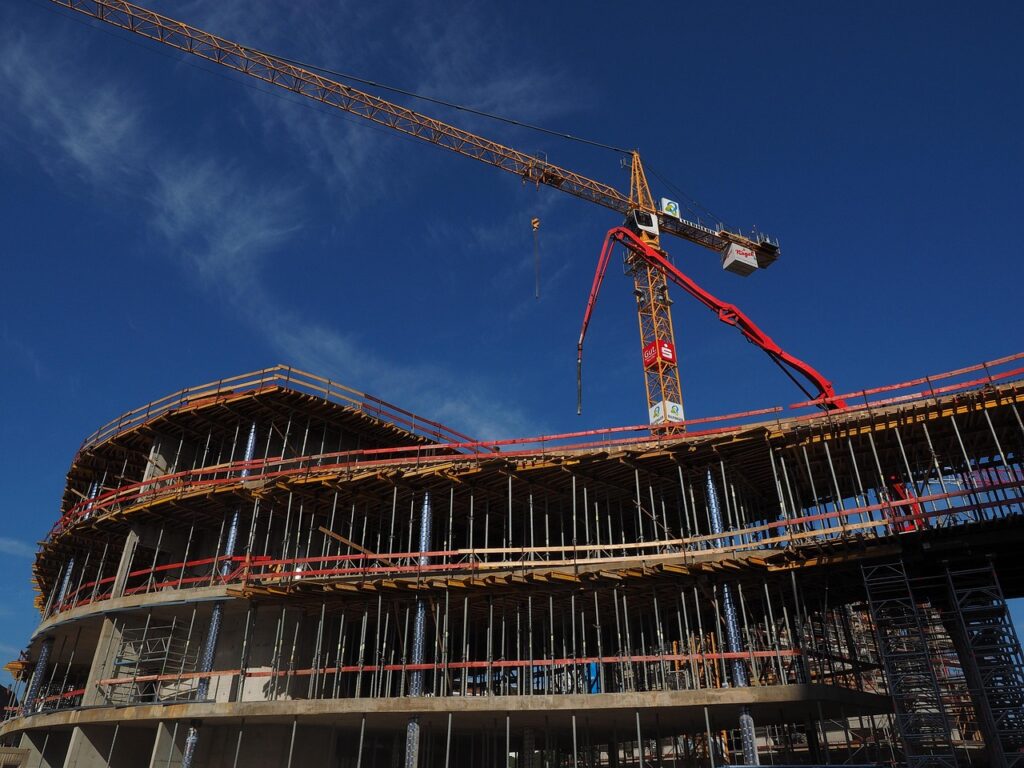
Advances in construction technology are making sustainable practices easier to implement than ever before. Digital tools allow project teams to evaluate environmental performance before construction begins and monitor efficiency throughout the project.
Building Information Modelling (BIM) enables detailed analysis of energy performance, material usage, and construction sequencing. This allows teams to identify inefficiencies early and make informed decisions before costly issues arise.
Smart building systems also play an increasingly important role. Sensors, automated controls, and energy management platforms help optimise building performance throughout its operational life. These technologies can significantly reduce energy consumption while improving occupant comfort.
As technology continues to evolve, sustainable construction solutions are becoming more accessible to projects of all sizes.
Long-Term Benefits For Owners And Communities
The advantages of sustainability in construction projects extend far beyond environmental responsibility. Sustainable buildings often deliver lower operating costs through reduced energy and water consumption. Maintenance requirements may also decrease due to the use of durable materials and efficient systems.
Occupants benefit from healthier indoor environments, improved comfort, and enhanced productivity. These factors can contribute to higher tenant satisfaction and stronger property performance over time.
Communities also benefit from reduced environmental impacts, improved resource management, and infrastructure that supports long-term growth objectives. Sustainable construction helps create resilient developments capable of adapting to future challenges.
For investors and developers, these combined benefits can translate into stronger financial performance and increased long-term asset value.
Building A More Sustainable Future
The future of construction depends on balancing economic growth with environmental responsibility. Sustainability in construction projects provides a practical framework for achieving this balance while delivering lasting value to owners, occupants, and communities.
By integrating sustainable principles into planning, design, material selection, and project execution, organisations can create buildings that perform efficiently for decades to come. As technology advances and industry standards continue to evolve, sustainable construction will remain a critical component of successful project delivery and responsible development.