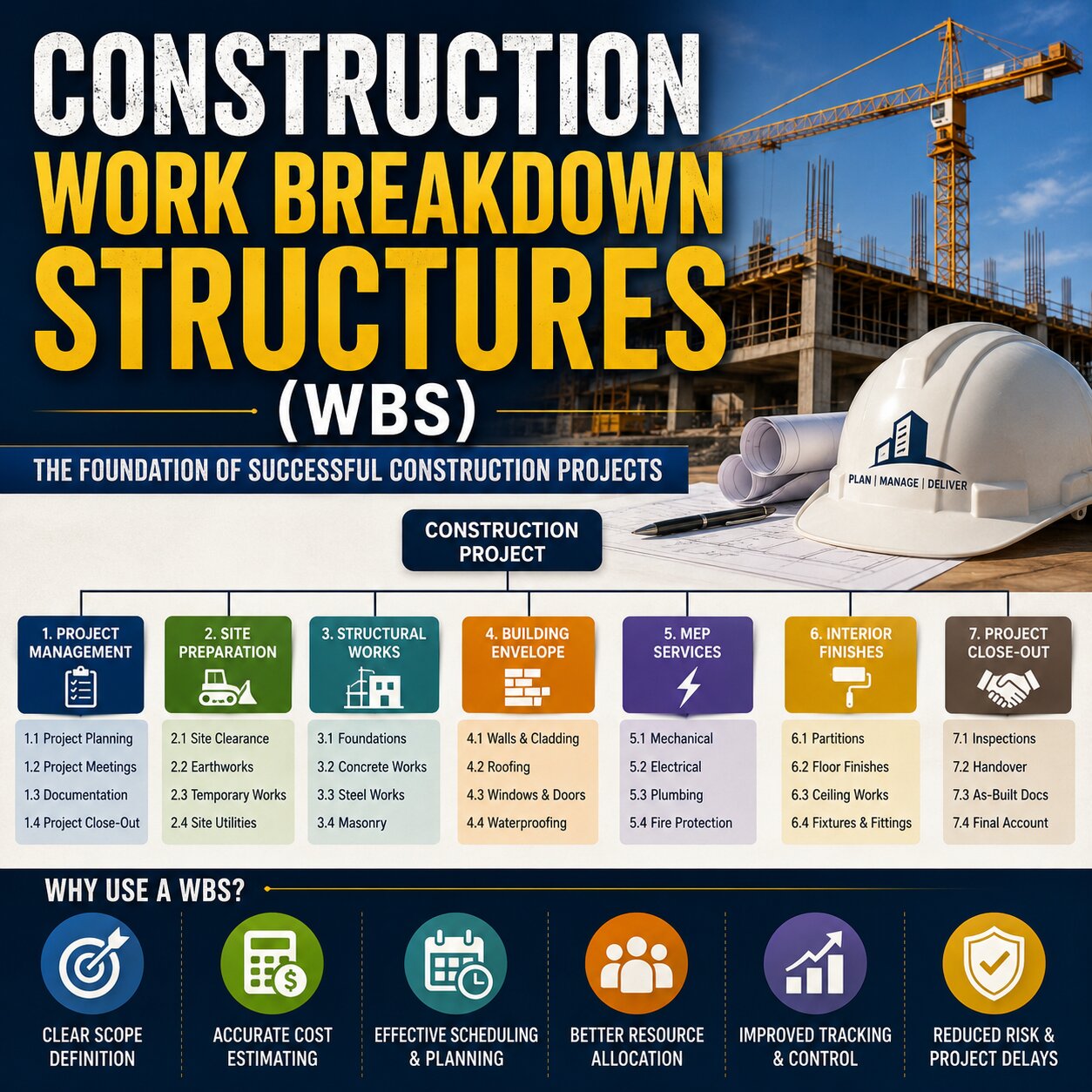
Winter presents unique challenges for construction projects, but it can also offer valuable opportunities for careful preparation and strategic execution. While colder temperatures, increased rainfall, and shorter daylight hours may impact productivity, proper planning allows construction teams to maintain progress and avoid costly delays.
For developers, contractors, and project managers, understanding how to plan construction projects over winter can make the difference between a successful build and a schedule filled with setbacks.
Understanding Winter Construction Challenges

Every construction project faces environmental factors, but winter conditions often create additional risks. Rain can affect excavation work, concrete curing, and site accessibility. Cold temperatures may impact materials, equipment performance, and worker comfort.
Project managers should begin by identifying weather-sensitive activities and evaluating how seasonal conditions could affect timelines. This assessment helps teams develop realistic schedules that account for potential disruptions.
Site safety should also receive additional attention during winter. Wet surfaces, reduced visibility, and changing weather conditions can increase the likelihood of accidents if proper precautions are not implemented.
Building a Winter Construction Strategy
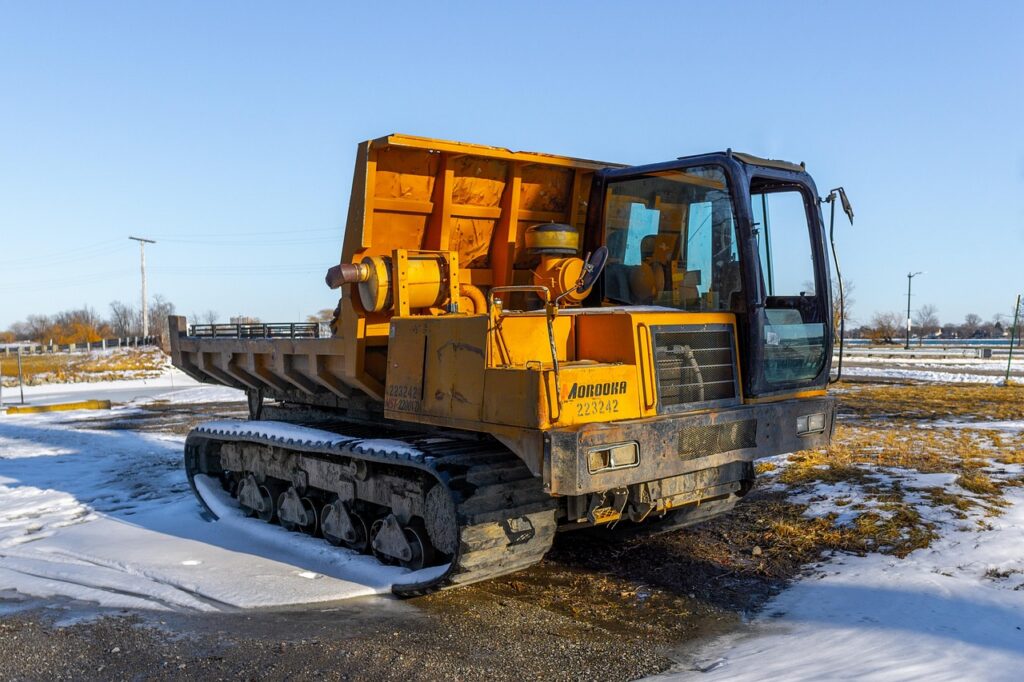
Effective winter planning starts long before work begins on site. Construction teams should review project milestones and determine which activities can continue efficiently during colder months.
Several key considerations include:
- Reviewing historical weather patterns
- Allowing contingency time for delays
- Scheduling weather-sensitive tasks strategically
- Improving site drainage and water management
- Securing materials against moisture damage
- Implementing additional safety procedures
- Ensuring equipment is winter-ready
By addressing these factors early, project teams can minimise interruptions and maintain productivity throughout the season.
Managing Resources and Schedules

Resource planning becomes even more important during winter construction. Labour availability, equipment maintenance, and material deliveries should be carefully coordinated to reduce downtime.
Communication between stakeholders is essential. Contractors, suppliers, engineers, and project owners should remain informed about schedule adjustments and site conditions. Regular progress reviews allow teams to identify issues quickly and implement corrective actions before they affect project objectives.
Digital project management tools can also provide valuable support by helping teams monitor timelines, track resources, and manage risks in real time.
Preparing for Successful Project Delivery
Winter does not have to bring construction activity to a halt. With proper planning, risk management, and realistic scheduling, projects can continue progressing while maintaining quality and safety standards.
Successful construction projects are built on preparation. By anticipating seasonal challenges and implementing proactive strategies, developers and contractors can reduce delays, protect budgets, and position their projects for successful completion when warmer conditions return.
Whether managing a residential, commercial, or infrastructure development, winter planning remains a critical component of effective construction project management.