The construction industry shapes the world around us. From family homes and towering office blocks to hospitals and factories, every building is designed with a specific purpose in mind. Understanding the different types of buildings is essential for architects, engineers, developers, contractors, and anyone interested in modern construction.
Each category presents its own design challenges, sustainability requirements, and construction techniques.
Residential Buildings
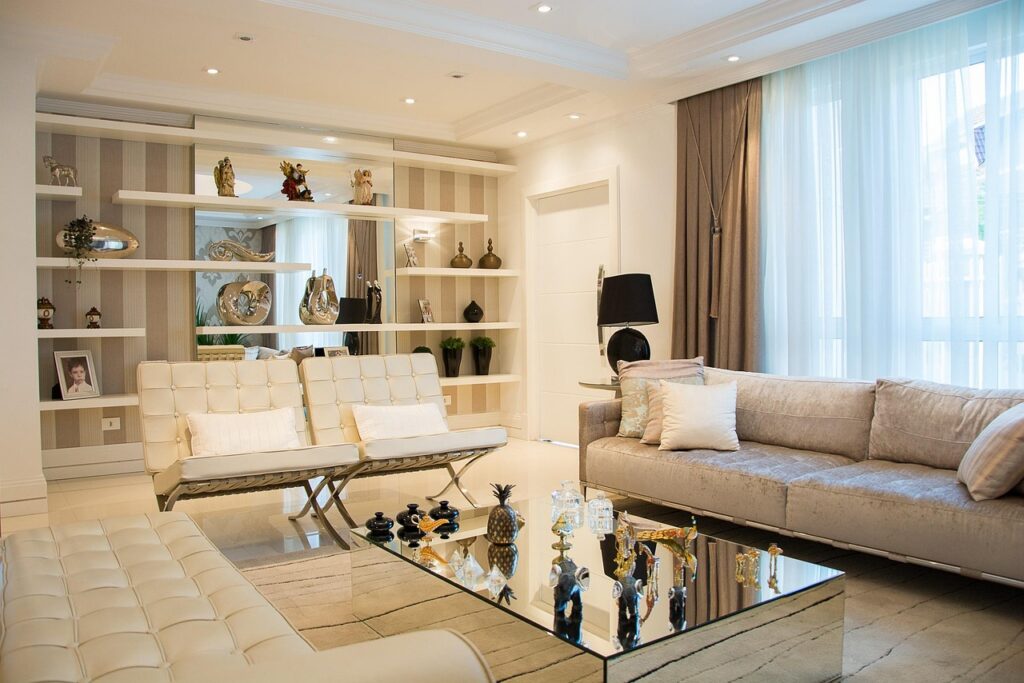
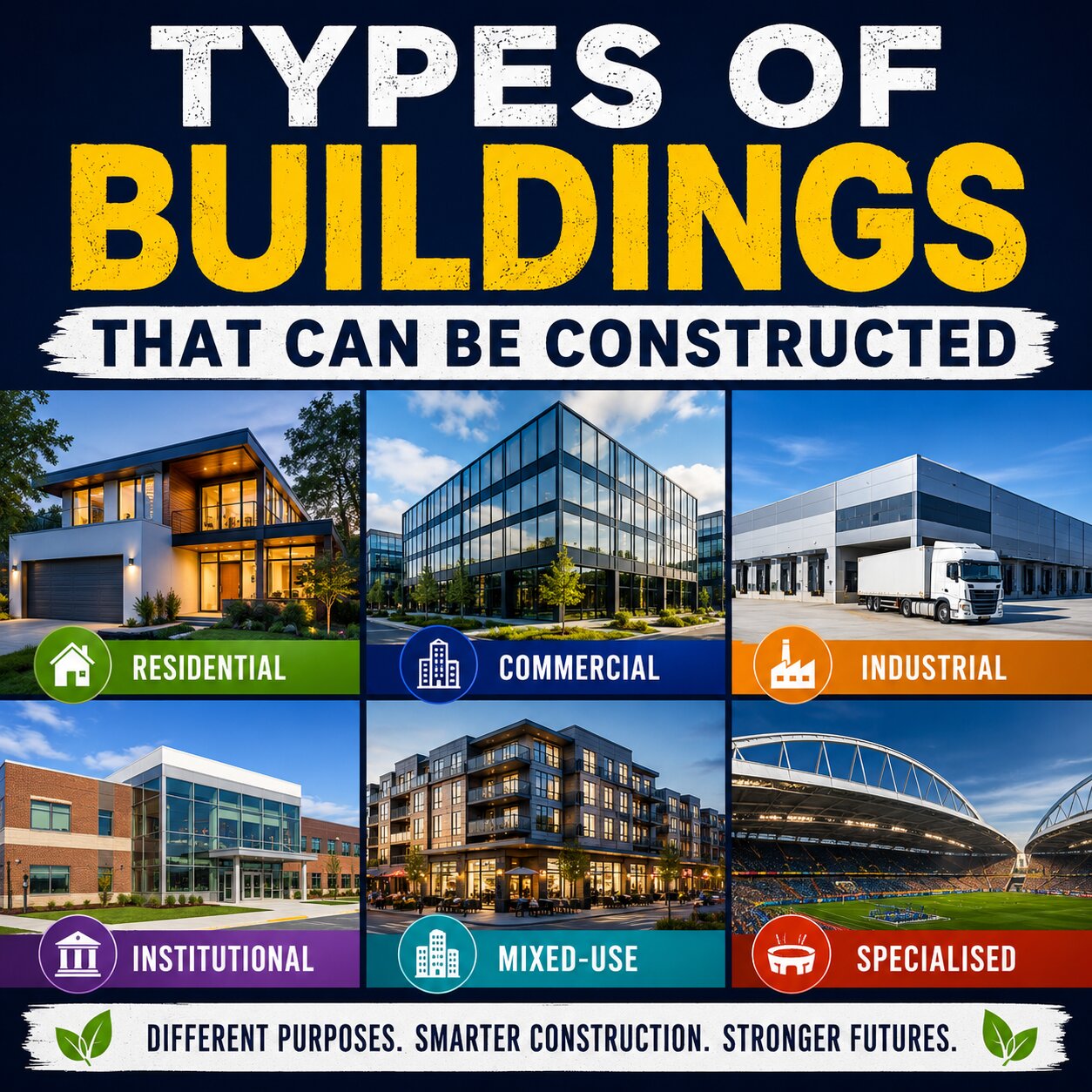
Residential buildings are designed for people to live in comfortably and safely. This category includes single-family homes, townhouses, apartment complexes, retirement villages, and high-rise residential towers.
Modern residential construction increasingly focuses on energy efficiency, smart home technology, water conservation, and environmentally friendly materials that reduce long-term operating costs.
Commercial Buildings
Commercial buildings support businesses and economic activity. These include office buildings, shopping centres, retail stores, restaurants, hotels, and entertainment venues.
Successful commercial developments prioritise accessibility, flexibility, customer experience, and efficient use of space while meeting local building regulations and sustainability standards.
Industrial Buildings
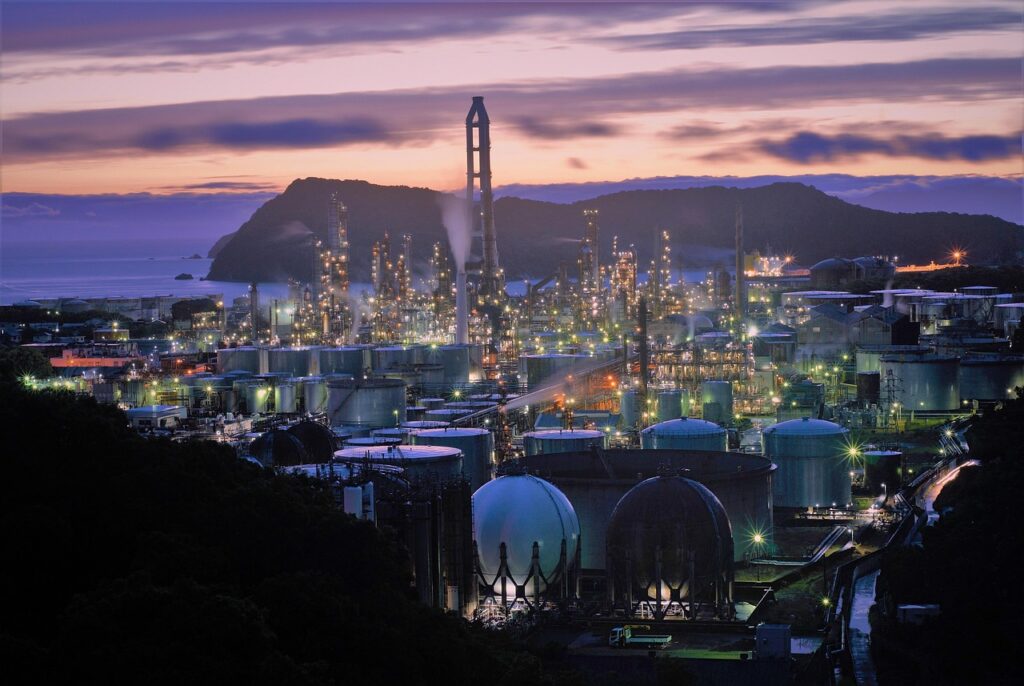
Industrial facilities are built for manufacturing, production, logistics, and storage. Examples include factories, warehouses, distribution centres, processing plants, and workshops.
These buildings often require specialised structural designs, heavy-duty flooring, large open spaces, and infrastructure capable of supporting industrial equipment and operations.
Institutional Buildings
Institutional buildings serve communities by providing essential public services. Schools, universities, hospitals, clinics, libraries, government offices, museums, and emergency service facilities all fall into this category.
These projects place a strong emphasis on safety, accessibility, functionality, and long-term durability due to their constant public use.
Mixed-Use Developments
Mixed-use buildings combine multiple functions within a single development. For example, a complex may include retail shops on the ground floor, offices on several levels, and residential apartments above.
These developments maximise land use, encourage walkable communities, and reduce travel distances between homes, workplaces, and essential services.
Other Common Building Types
Many specialised buildings are constructed to meet unique operational needs, including:
- Agricultural buildings such as barns, silos, and greenhouses.
- Sports facilities including stadiums, arenas, and gymnasiums.
- Transportation infrastructure such as airport terminals and train stations.
- Religious buildings including churches, mosques, synagogues, and temples.
- Cultural venues such as theatres, galleries, and exhibition centres.
Every Building Serves a Purpose
Although building designs vary significantly, they all begin with careful planning, engineering, and collaboration between numerous construction professionals. Choosing the correct building type is the first step towards creating structures that are safe, functional, sustainable, and capable of serving their communities for decades to come.
As construction technologies continue to evolve, future buildings will become smarter, greener, and more adaptable, ensuring they meet the changing needs of society while reducing their environmental impact.