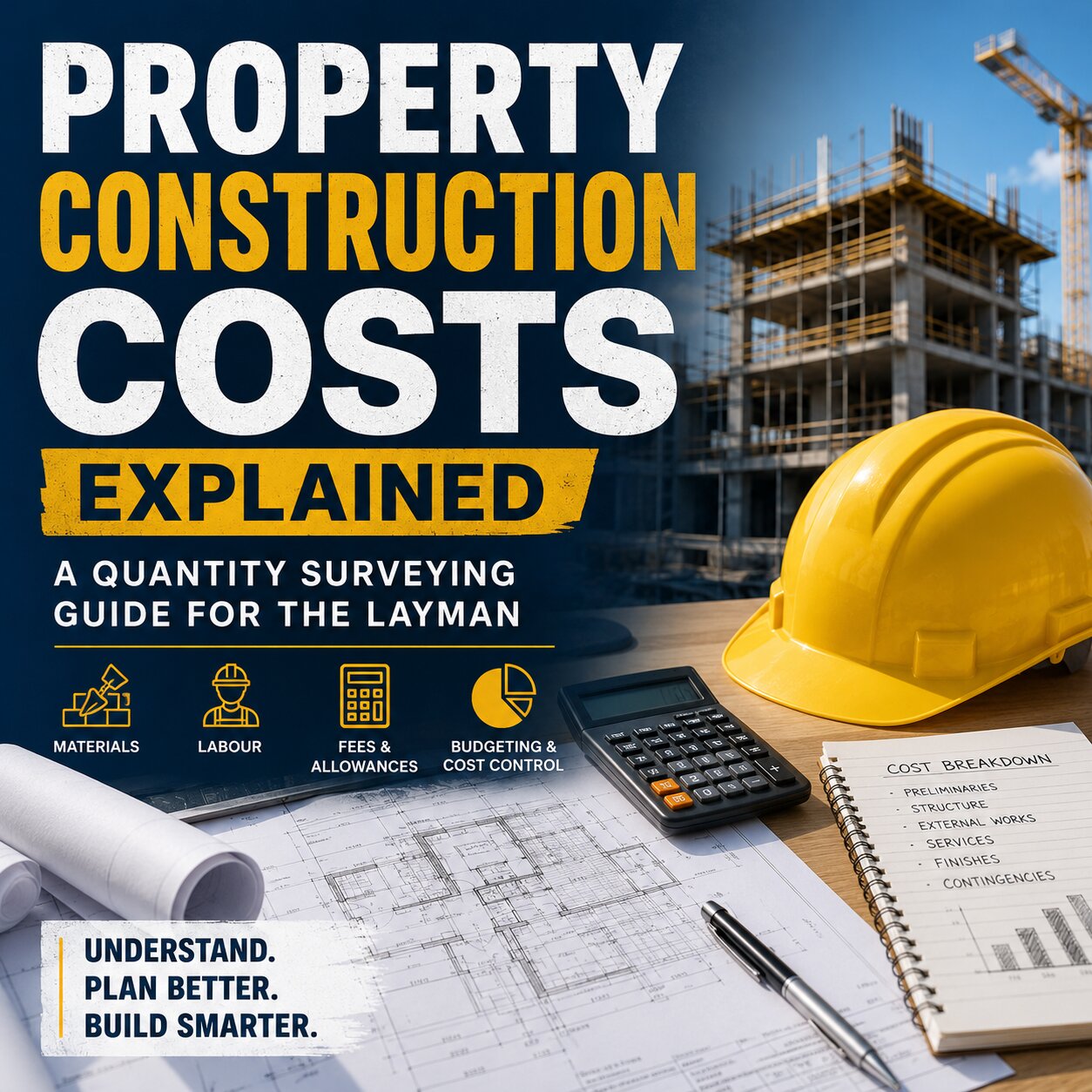
When people start planning a new building project, one of the first questions they ask is, “How much will it cost?” Unfortunately, there is rarely a simple answer. Property construction costs depend on a wide range of factors, from the size of the building and the materials used to labour costs, site conditions, and professional fees.
This is where quantity surveyors play an important role. Quantity surveyors specialise in estimating, monitoring, and controlling construction costs throughout a project’s lifecycle. Their work helps property owners, developers, and investors understand where their money is being spent and how to achieve the best value for their budget.
For those unfamiliar with the construction industry, understanding construction costs can seem overwhelming. This guide explains the key components of property construction costs from a quantity surveying perspective, using simple language that anyone can understand.
What are property construction costs?
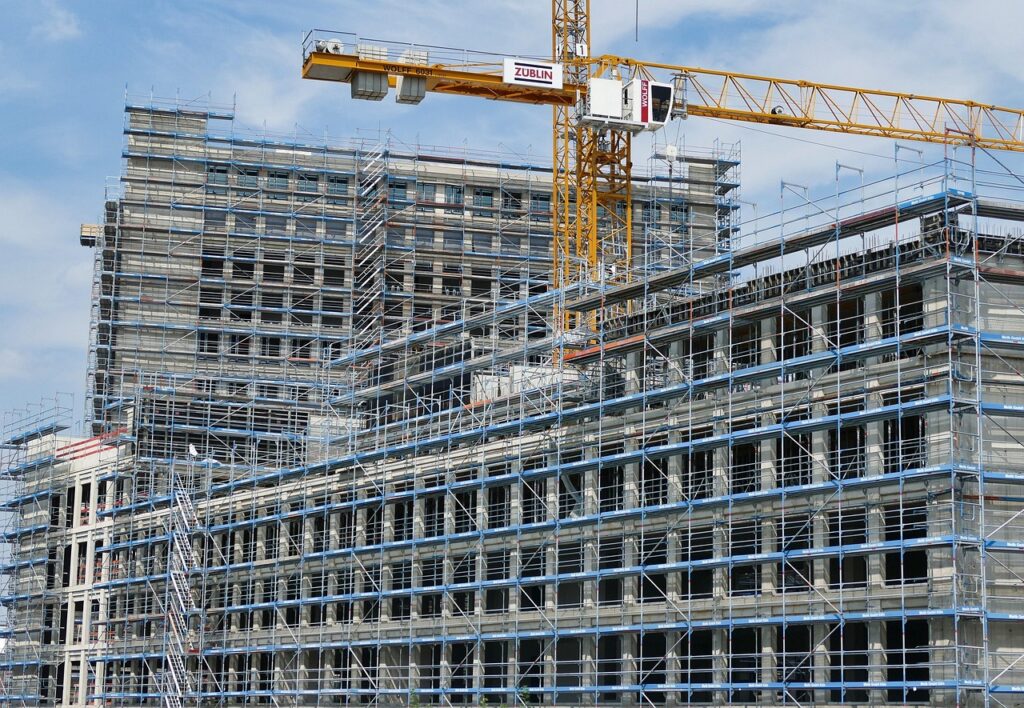
Property construction costs refer to all expenses associated with building a new structure, extending an existing building, or undertaking major renovations.
Many people assume construction costs only include bricks, cement, steel, and labour. In reality, the total project cost includes much more than the physical construction itself.
A typical project budget may include land preparation, architectural services, engineering designs, municipal approvals, project management fees, site establishment, materials, labour, specialist contractors, and contingency allowances.
Quantity surveyors break these costs down into detailed categories, allowing property owners to understand exactly where their money is being allocated and identify opportunities for savings without compromising quality.
The biggest factors affecting construction costs
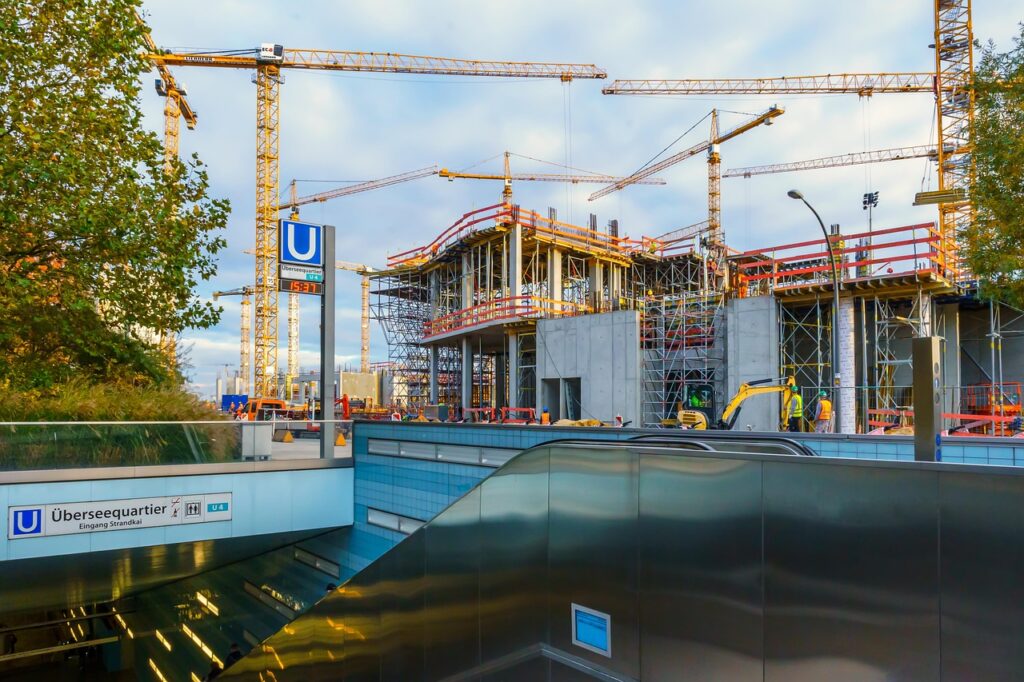
Several factors can significantly influence the overall cost of a construction project.
The size of the building is often the most obvious factor. Larger buildings generally require more materials and labour. However, the cost per square metre can sometimes decrease as project size increases due to economies of scale.
Location also plays an important role. Construction costs vary between regions depending on labour rates, material availability, transportation costs, and local market conditions.
The complexity of the design can dramatically affect costs. Buildings with unusual shapes, specialised features, extensive glazing, custom finishes, or complex structural requirements often cost more than straightforward designs.
Ground conditions can also impact budgets. Rocky terrain, unstable soil, steep slopes, or high water tables may require additional engineering solutions before construction can even begin.
Understanding cost per square metre
One of the most common methods used to estimate construction costs is the cost per square metre.
This approach provides a rough indication of what a project might cost based on similar completed developments. While useful for early budgeting, it should never be considered a final cost estimate.
For example, two homes may have the same floor area but vastly different construction costs. One may include standard finishes and conventional construction methods, while the other may feature luxury finishes, imported materials, smart home technology, and complex architectural elements.
Quantity surveyors therefore use square metre rates as a starting point before developing more detailed estimates based on the specific project requirements.
Understanding this distinction helps property owners avoid unrealistic expectations when comparing building costs with friends, neighbours, or online estimates.
The main cost categories in a construction project
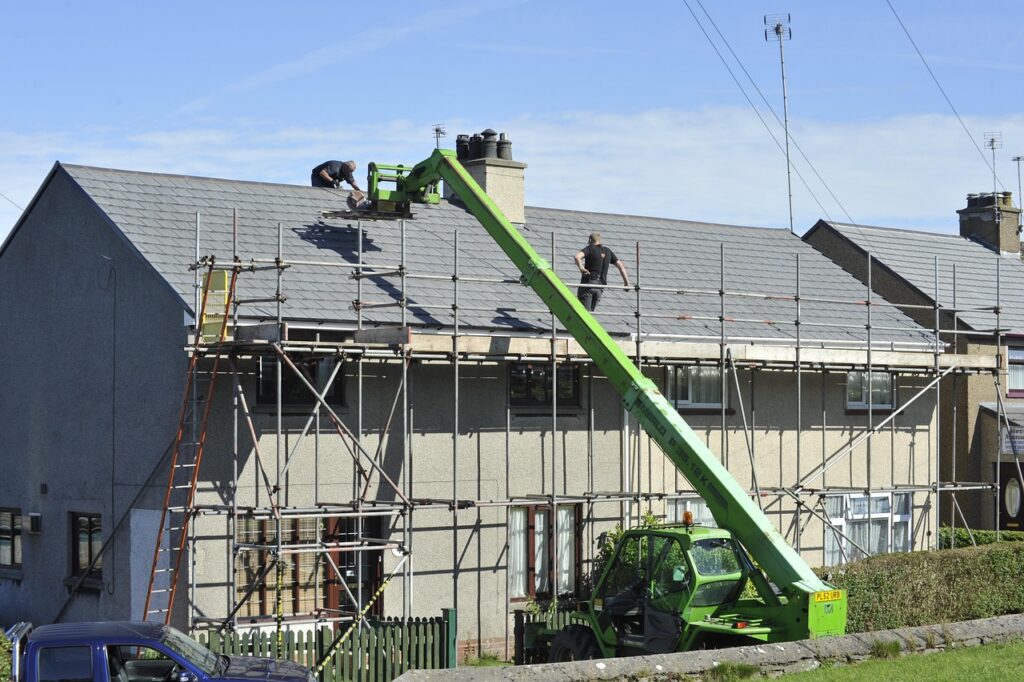
A quantity surveyor typically divides construction costs into several major categories:
- Site preparation and earthworks
- Foundations and structural works
- Walls, roofing, and external finishes
- Doors, windows, and glazing
- Plumbing and drainage systems
- Electrical installations
- Heating, ventilation, and air-conditioning systems
- Internal finishes such as flooring, ceilings, and painting
- Professional fees and statutory costs
- Contingencies and allowances
Breaking costs into categories allows project teams to identify where the largest expenses occur and where adjustments may be possible if budgets become constrained.
This structured approach also improves transparency and helps prevent unexpected financial surprises later in the project.
Why professional cost planning matters
Many construction projects experience budget overruns because costs are not properly planned during the early stages.
A quantity surveyor provides accurate cost advice throughout the project, helping owners make informed decisions before committing to major expenses. They can compare alternative materials, assess design changes, evaluate contractor quotations, and monitor expenditure during construction.
Cost planning is not simply about reducing expenses. It is about achieving the best value for the available budget while ensuring the project meets its functional, aesthetic, and operational requirements.
For investors, developers, and property owners, effective cost management can significantly improve project outcomes and reduce financial risk.
Making better construction decisions
Understanding property construction costs is essential for anyone planning a building project. While materials and labour remain important cost drivers, many other factors influence the final budget.
Quantity surveyors help simplify this complexity by providing structured cost information, realistic budgets, and ongoing financial oversight throughout the construction process.
Whether you are planning a new commercial development, residential project, facility upgrade, or property investment, understanding how construction costs are calculated can help you make smarter decisions and avoid costly mistakes.
Working with experienced construction professionals early in the planning process often leads to better budget control, greater value for money, and more successful project outcomes.