Modern race circuits consume enormous amounts of energy. Floodlighting, pit buildings, control centres, hospitality suites, workshops, broadcasting infrastructure, and electric vehicle charging all place significant demands on electrical systems. Effective race track energy management enables circuit operators to reduce operating costs, improve reliability, and support sustainability objectives without compromising the experience for competitors or spectators.
As motorsport continues to embrace innovation, energy management has become an essential part of facility management. By combining efficient technologies with intelligent monitoring systems, race tracks can optimise energy consumption while preparing for future demands such as electric racing series and expanded renewable energy integration.
Understanding Race Track Energy Management
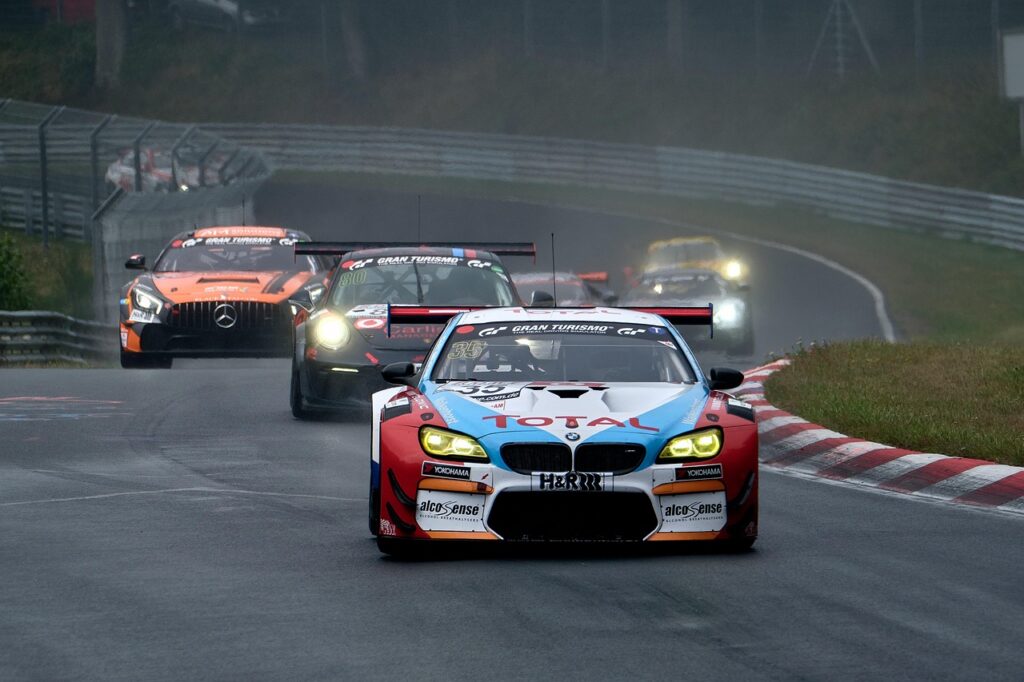
Race track energy management is the process of planning, monitoring, controlling, and optimising how energy is generated, distributed, and consumed across a motorsport venue.
Unlike many commercial facilities, race tracks experience highly variable energy demands. During major events, power consumption can increase dramatically due to television broadcasting equipment, hospitality operations, temporary infrastructure, lighting, and increased visitor numbers.
An effective energy management strategy ensures that sufficient power is always available while avoiding unnecessary waste during quieter operating periods.
Modern Building Management Systems (BMS) and Energy Management Systems (EMS) allow facility managers to monitor consumption in real time, identify inefficiencies, and make informed operational decisions.
Key Areas of Energy Consumption
Understanding where energy is used is the first step towards improving efficiency.
Major consumers typically include:
- Track lighting and floodlights
- Pit garages and paddock facilities
- Hospitality buildings
- Air conditioning and ventilation systems
- Workshops and maintenance equipment
- Timing, broadcasting, and communications infrastructure
- Electric vehicle charging stations
- Water pumping and treatment systems
Monitoring each of these systems individually allows operators to identify trends, schedule maintenance, and reduce unnecessary consumption.
Renewable Energy Opportunities

Many circuits are investing heavily in renewable energy technologies.
Large roof areas on grandstands and paddock buildings provide excellent opportunities for solar photovoltaic installations. These systems can generate significant amounts of electricity during race weekends while reducing dependence on the national grid.
Battery energy storage systems can capture excess solar generation for use during peak demand periods or evening events.
Some facilities are also exploring wind generation where local environmental conditions allow, creating hybrid energy systems that improve resilience while reducing carbon emissions.
Renewable energy investments not only reduce long-term operating costs but also demonstrate a commitment to environmental responsibility.
Smart Monitoring and Demand Management
Real-time monitoring has transformed race track energy management.
Advanced smart meters provide detailed information about electricity usage across every section of a facility. Operators can quickly identify abnormal consumption, equipment faults, or opportunities for optimisation.
Demand management strategies further improve efficiency by shifting non-essential electrical loads away from peak demand periods.
Automated controls can schedule lighting, HVAC systems, irrigation pumps, and other infrastructure to operate only when required.
These technologies improve both operational efficiency and equipment lifespan while reducing electricity costs.
Preparing for the Future of Motorsport
The future of motorsport is becoming increasingly electrified.
Formula E, electric support series, hybrid racing categories, and growing spectator demand for EV charging all require race circuits to expand their electrical infrastructure.
Future-ready facilities must consider:
- High-capacity electrical distribution networks.
- Scalable EV charging infrastructure.
- Battery storage integration.
- Smart microgrid technologies.
- Renewable energy generation.
- Backup power resilience for critical operations.
Investing today allows circuits to remain competitive while supporting emerging motorsport technologies.
Why Race Track Energy Management Matters
Effective race track energy management delivers far more than lower electricity bills.
It improves operational reliability, supports sustainability objectives, extends equipment life, strengthens business resilience, and enhances the reputation of a motorsport venue.
As race circuits continue evolving into technologically advanced entertainment destinations, energy management will remain one of the most important responsibilities of modern facility managers. By embracing smart technologies, renewable energy, and efficient operational practices, race tracks can create more sustainable, cost-effective, and future-ready venues for competitors and fans alike.