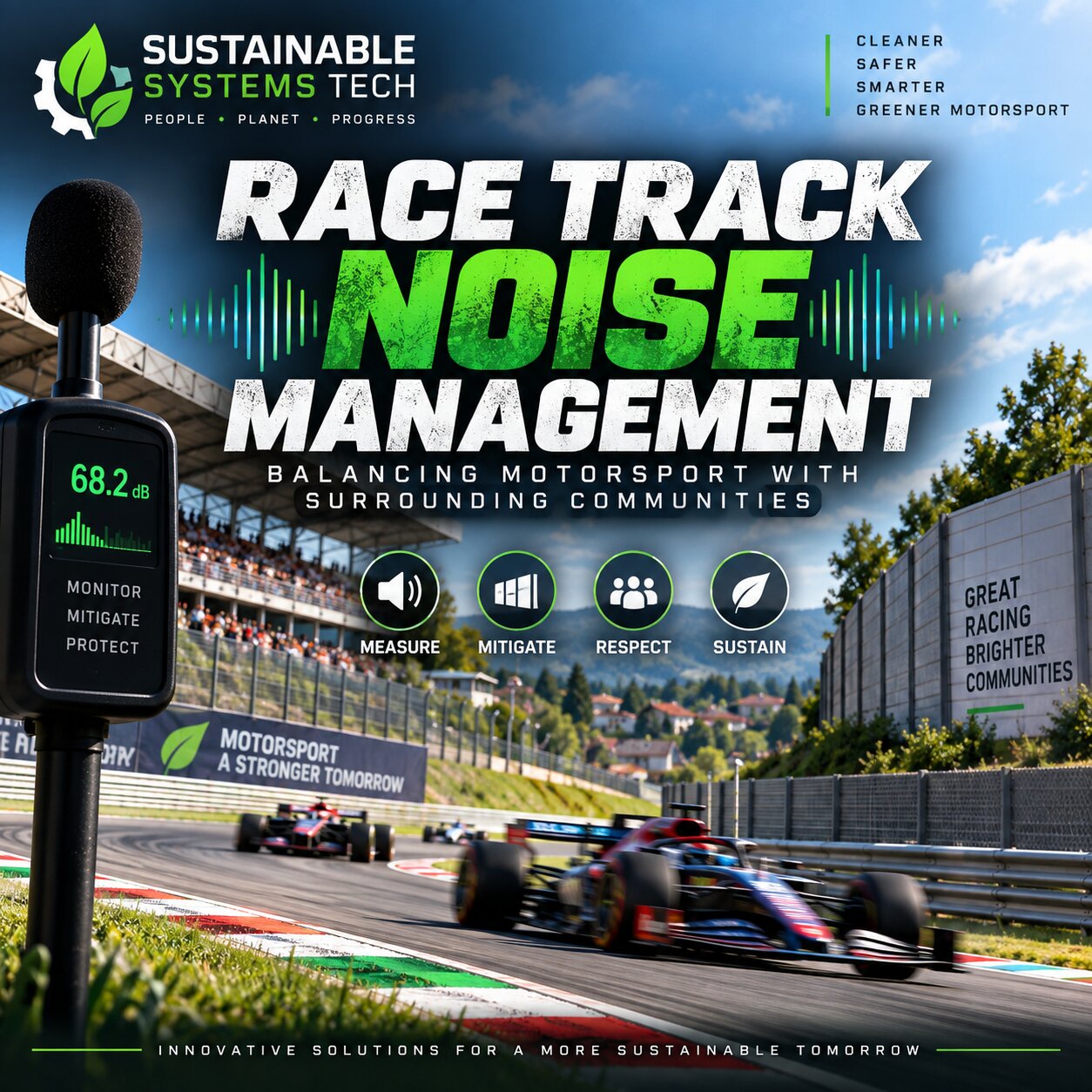
Motorsport circuits are exciting environments filled with powerful engines, enthusiastic spectators and high-speed competition. However, the sound that forms such an important part of the racing experience can become a significant environmental concern for people living and working near a circuit. Effective Race Track Noise Management is therefore an important part of responsible motorsport facility planning and operation.
Noise management does not necessarily mean attempting to make motorsport silent. Instead, the objective is to understand how sound travels beyond the circuit boundary, identify the communities and environments most likely to be affected, and implement practical measures that reduce unnecessary disturbance while allowing the venue to operate successfully.
For existing race circuits, this can involve changes to operating procedures and infrastructure. New developments have an even greater opportunity to consider noise during the earliest planning and design stages.
Understanding Noise Around a Race Track

Race track noise is more complicated than the sound produced by a single racing vehicle. During an event, multiple sources contribute to the overall acoustic environment, including racing cars or motorcycles, support vehicles, public address systems, crowds and entertainment areas.
Different motorsport categories can also create substantially different noise profiles. A club racing weekend, drifting event, motorcycle meeting and major international motorsport event may each affect the surrounding environment differently.
Location plays an equally important role. Nearby residential areas, businesses, schools, hospitals, farms and environmentally sensitive locations may need to be considered when assessing potential impacts.
Sound can also travel differently according to terrain, weather conditions, vegetation and surrounding development. Effective Race Track Noise Management therefore requires a site-specific approach rather than relying on a single solution for every circuit.
Noise Assessment and Monitoring
Understanding the existing acoustic environment should form the foundation of a noise management strategy. Baseline assessments can establish typical sound levels around a proposed or operational facility before additional activities are considered.
Monitoring can then help operators understand how particular events affect surrounding areas.
Important considerations can include:
- Existing background noise levels and nearby sensitive receptors
- Noise generated by different racing categories and circuit activities
- Event frequency, duration and operating hours
- Sound propagation beyond the circuit boundary
- Weather and atmospheric conditions
- Complaints or concerns raised by surrounding communities
- Applicable environmental and municipal requirements
Long-term monitoring can be particularly valuable for busy venues because it provides data that operators can use when evaluating changes to schedules, infrastructure or event formats.
Using Circuit Design to Reduce Noise
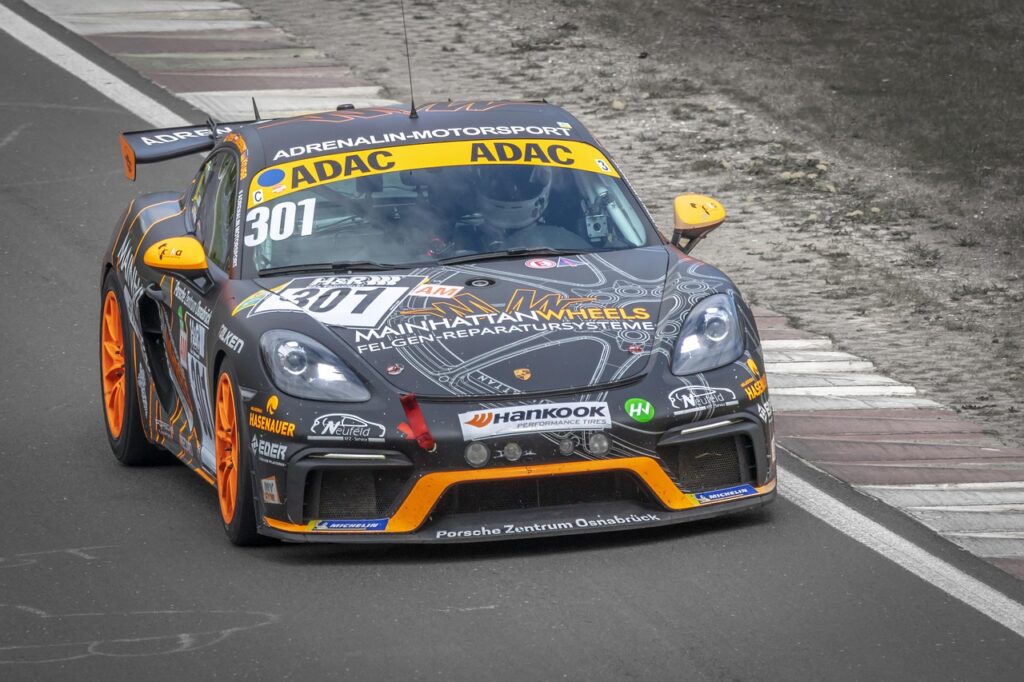
Physical design can significantly influence how sound leaves a motorsport facility. When noise is considered during the planning stage, engineers and environmental specialists can potentially incorporate mitigation measures before the circuit becomes operational.
Earth berms, acoustic barriers and strategically positioned buildings can help interrupt direct sound paths between the track and nearby communities. Natural terrain may also provide useful screening when incorporated into the overall site layout.
The orientation of particular circuit sections can matter as well. Areas where vehicles accelerate heavily may produce different noise impacts from slower corners or braking zones. Understanding these characteristics can help planners evaluate how track geometry interacts with neighbouring land uses.
Vegetation can contribute to broader environmental design and visual screening, although landscaping alone should not be treated as a substitute for properly engineered acoustic controls where substantial noise reduction is required.
Operational Race Track Noise Management
Infrastructure is only one part of the solution. Circuit operations can also play an important role in controlling the impact of noise.
Event calendars can be designed with surrounding communities in mind, particularly when activities generate high noise levels. Restrictions on early-morning or late-night running may help reduce disturbance during sensitive periods.
Some circuits may also establish vehicle noise limits for particular track days or racing categories. Testing procedures can help identify vehicles exceeding permitted levels before they enter the circuit.
Communication is equally important. Informing nearby residents about major events, unusual operating hours or particularly noisy activities can help communities understand when increased sound levels are likely to occur.
Technology and Smarter Noise Monitoring
Modern monitoring technology provides race track operators with increasingly sophisticated ways to understand their acoustic footprint. Permanent sound monitoring stations can record conditions at strategic locations around a venue, while temporary equipment can be deployed when investigating specific concerns.
Data collected over time can reveal patterns that would otherwise be difficult to identify.
Digital monitoring systems can potentially combine sound measurements with weather information, event schedules and operational data. This creates opportunities to determine which activities contribute most strongly to off-site noise levels.
Rather than responding only when complaints occur, circuits can use this information proactively to improve future operations.
Supporting Sustainable Motorsport Development
Sustainability in motorsport extends beyond emissions, energy consumption and waste management. The relationship between a race track and the people living around it is equally important.
Poorly managed noise can create long-term conflict between motorsport venues and surrounding communities. Effective management, however, can help circuits demonstrate that environmental and social considerations form part of their operating strategy.
This becomes increasingly important as development expands around existing tracks. A circuit that may once have been relatively isolated can eventually find itself surrounded by residential or commercial development, creating new challenges that were not present when the facility was originally constructed.
Creating a Better Relationship Between Circuits and Communities
Motorsport venues provide entertainment, tourism opportunities, employment and economic activity, but those benefits need to coexist with the interests of neighbouring communities.
Successful Race Track Noise Management combines environmental assessment, intelligent circuit design, monitoring technology, sensible operating procedures and ongoing communication. There is rarely one measure capable of solving every noise issue.
Instead, the strongest approach is a coordinated strategy that evolves alongside the venue.
By understanding how sound moves through the surrounding environment and addressing potential problems proactively, race tracks can protect the excitement that makes motorsport special while becoming more responsible neighbours to the communities around them.