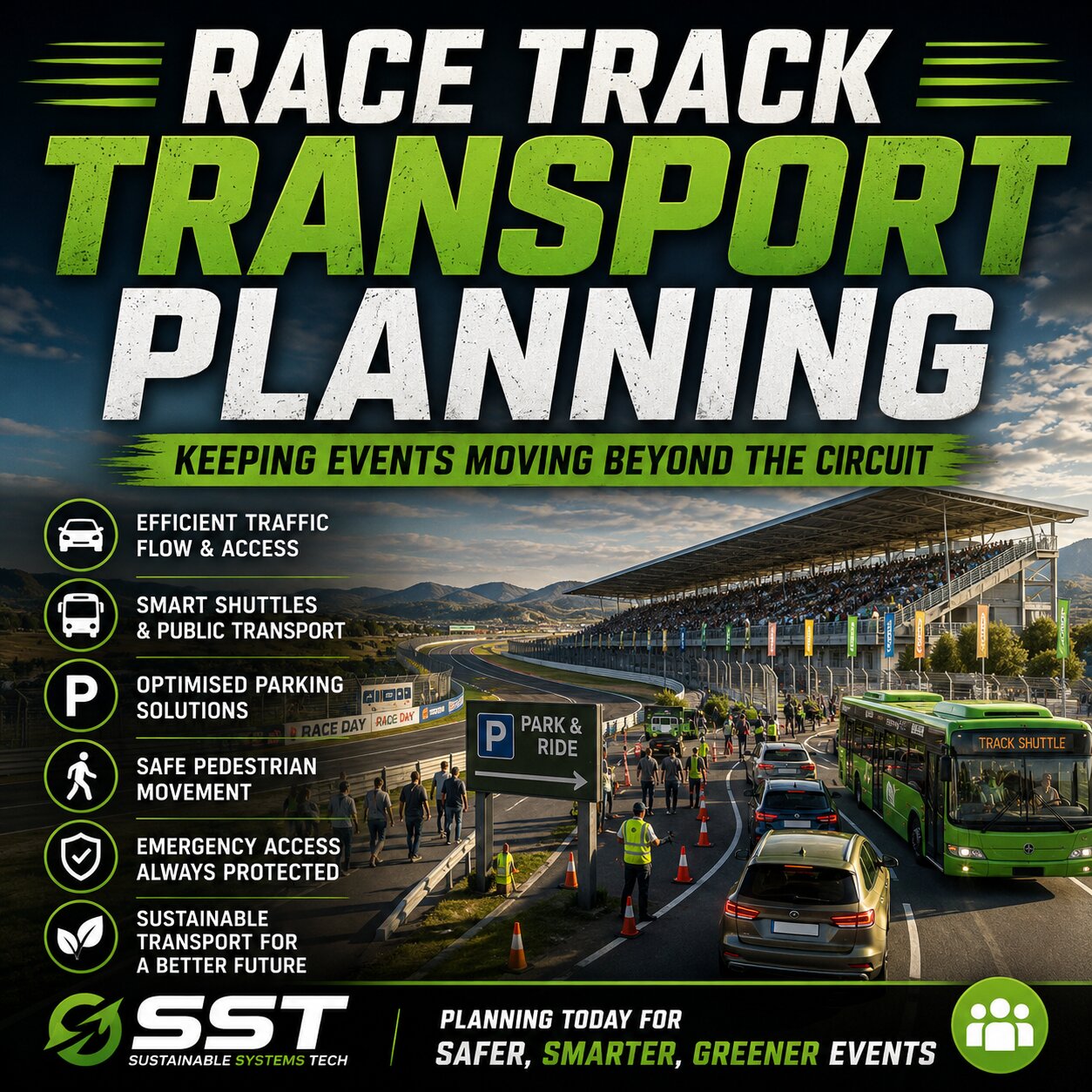
A successful motorsport event depends on far more than what happens between the starting lights and chequered flag. Thousands of spectators, officials, employees, suppliers, media teams and emergency personnel may need to reach and leave a venue within relatively short periods. Without effective Race Track Transport Planning, congestion outside the circuit can quickly become one of the biggest operational problems of the entire event.
For race organisers and venue managers, transport therefore needs to form part of event planning long before spectators begin arriving.
Why Race Track Transport Planning Matters
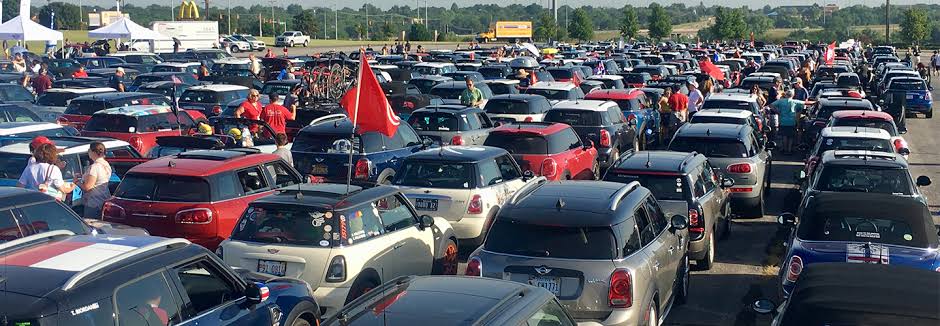
Major race weekends create unusual transport demands. Unlike everyday traffic, arrivals can become heavily concentrated before qualifying sessions or the main race, while enormous numbers of vehicles and pedestrians may attempt to leave simultaneously once racing ends.
Effective Race Track Transport Planning considers these peaks and develops systems capable of handling them safely. The objective isn’t simply getting cars into parking areas. Organisers need to consider public transport, pedestrian routes, drop-off areas, emergency access, buses, taxis, ride-hailing services, staff vehicles and potentially thousands of private cars.
Poor planning can result in lengthy queues, frustrated spectators and blocked surrounding roads. More seriously, congestion can interfere with emergency vehicles and create unsafe interactions between pedestrians and moving traffic.
Understanding How Spectators Will Travel
Good Race Track Transport Planning starts with understanding where visitors are coming from and how they intend to reach the venue.
Historical attendance data can provide valuable information for established events, while ticketing information and spectator surveys can help organisers estimate transport demand for new ones. Expected attendance should then be compared against road capacity, parking availability and existing public transport infrastructure.
Planning should consider:
- Private vehicle and motorcycle arrivals
- Dedicated buses and spectator shuttles
- Public transport connections
- Taxi and ride-hailing collection areas
- Pedestrian access and crossings
- VIP, media, team and employee transport
- Accessible transport requirements
- Emergency and service vehicle routes
These different movements should be separated wherever practical rather than forcing everyone through the same entrances and roads.
Parking Is Only Part of the Challenge
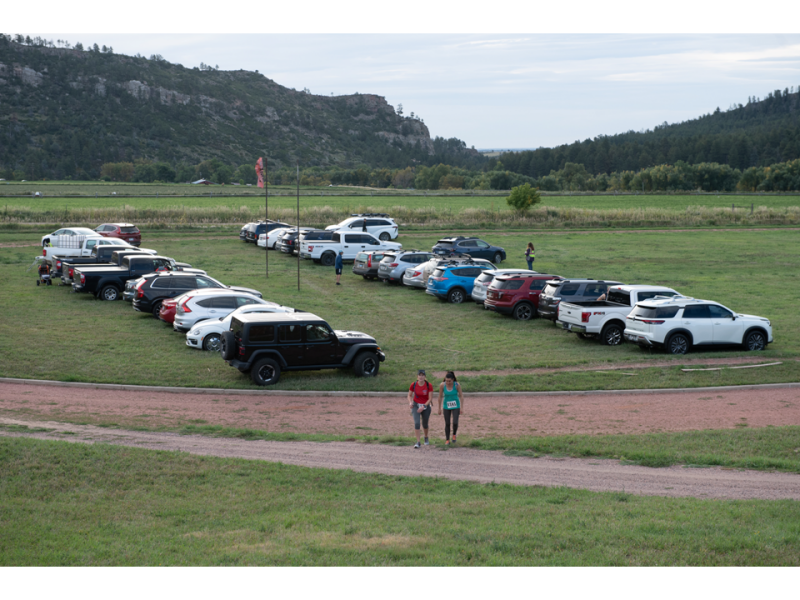
Providing enough parking spaces doesn’t automatically solve the transport problem. Those vehicles still need to enter and exit the facility efficiently.
This makes access-road capacity, gate placement, traffic-control personnel and parking layouts important components of Race Track Transport Planning. Parking areas can be divided according to ticket categories or arrival routes, reducing unnecessary movement around the venue.
Clear signage should begin well before motorists reach the circuit. Drivers who only discover their designated entrance when they reach the gate can create queues while changing lanes, turning around or asking staff for directions.
Digital communication can help considerably. Event websites, emails, mobile applications and social channels can provide spectators with maps and recommended routes before they begin travelling.
Shuttle Services Can Reduce Vehicle Pressure
Where suitable infrastructure exists, park-and-ride systems can significantly reduce the number of private vehicles approaching a race circuit.
Remote parking areas allow spectators to leave their vehicles away from the busiest roads and complete their journey aboard dedicated buses. Effective Race Track Transport Planning needs to determine shuttle frequency, passenger capacity, loading areas and the number of vehicles required during peak periods.
The service must also work after the event. Nobody wants an excellent race day to end with thousands of spectators standing in a queue for two hours waiting for a bus.
Transport capacity should therefore be designed around peak departure demand rather than average movement throughout the day.
Protecting Emergency Access
One transport route should never become optional: emergency access.
Ambulances, fire services, police and other emergency vehicles need reliable routes into and around the facility regardless of spectator traffic. These routes should be incorporated into Race Track Transport Planning from the beginning rather than being treated as temporary solutions when congestion develops.
Traffic-management teams should also understand which roads and access points must remain unobstructed.
This becomes particularly important when incidents occur outside the racing environment. Medical emergencies, vehicle collisions, fires or severe weather can suddenly require rapid movement through areas occupied by thousands of people.
Managing the Rush After the Chequered Flag
The end of a major race can create the most difficult transport period of the entire weekend.
Arrivals are usually distributed across several hours. Departures may happen almost simultaneously.
Effective Race Track Transport Planning can stagger traffic through controlled parking exits, different vehicle routes and strategically timed shuttle departures. Organisers may also encourage spectators to remain at the venue longer by providing entertainment, food areas, podium activities or other post-race attractions.
Real-time monitoring becomes valuable here. Traffic cameras, vehicle counters and operational teams can identify congestion as it develops and adjust traffic flows accordingly.
Sustainable Transport Should Be Part of the Strategy
Modern event planning increasingly needs to consider environmental impact alongside operational efficiency.
Reducing dependence on individual private vehicles can lower congestion and emissions simultaneously. Public transport partnerships, shared shuttle services, cycling infrastructure and organised park-and-ride facilities can all contribute to more sustainable Race Track Transport Planning.
The most appropriate solution will depend heavily on the circuit’s location. An urban street race connected to rail and bus networks presents completely different transport opportunities from a permanent circuit located kilometres outside a major city.
There is therefore no universal transport plan. The strategy needs to reflect the venue, expected attendance and surrounding infrastructure.
SST Can Support Race Track Transport Planning
Transport forms an essential part of the wider crowd-management and event-safety environment. When people cannot move efficiently outside a venue, problems can quickly spread towards entrances, pedestrian areas and surrounding communities.
Sustainable Systems Tech works with event organisers and stakeholders on planning solutions that consider the movement, safety and management of large crowds.
From assessing transport requirements and access routes to considering parking, pedestrian movement, emergency access and sustainable alternatives, effective Race Track Transport Planning helps create an event that works beyond the circuit itself.
Because when tens of thousands of spectators arrive for race day, the journey to and from the track is part of the event too.