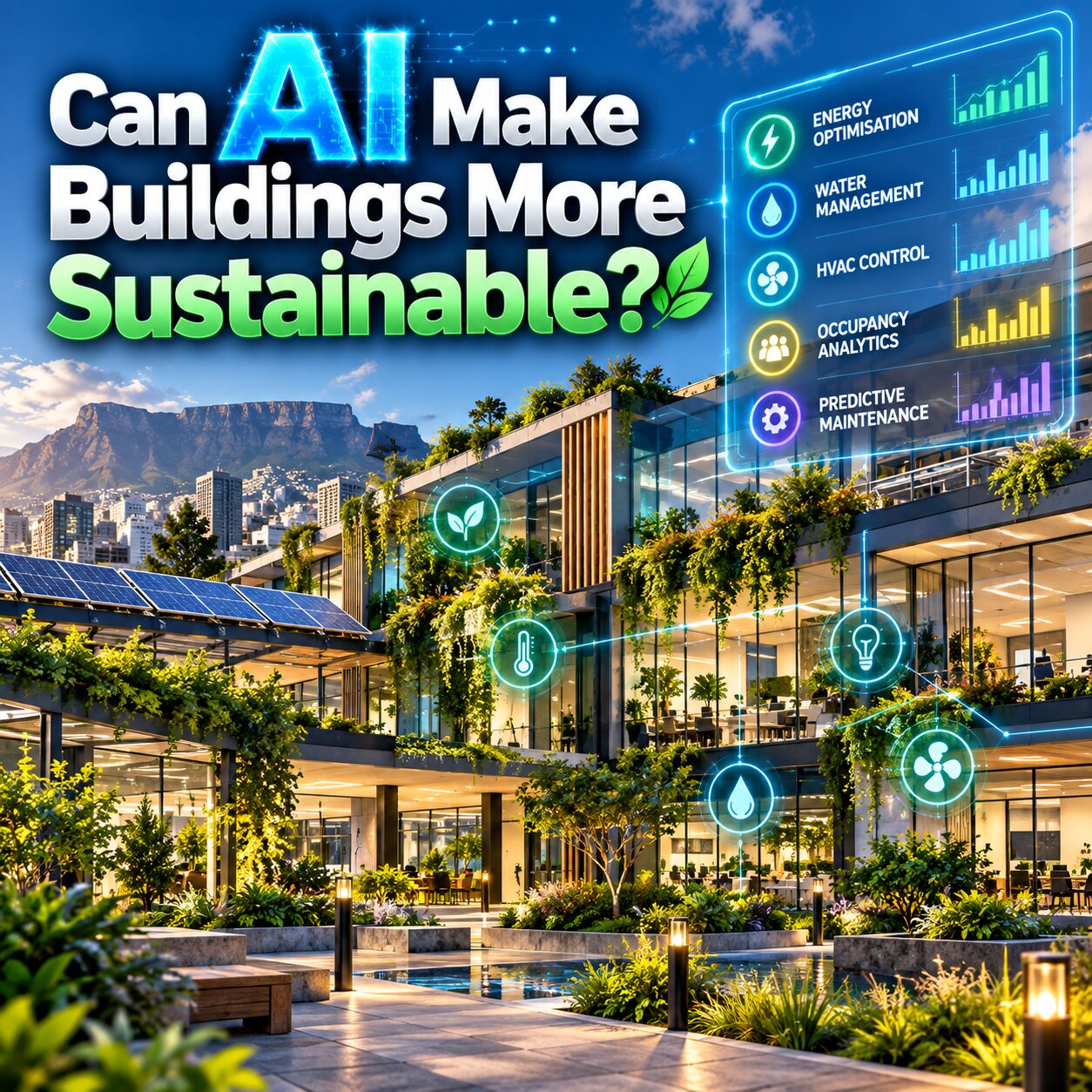
When people imagine a smart city, they often picture futuristic buildings, autonomous vehicles and enormous digital displays. In reality, some of the most useful smart-city technology is almost invisible.
Modern cities increasingly rely on sensors and connected systems to understand what’s happening around them. Traffic monitoring can identify congestion, environmental sensors can measure air quality, and intelligent lighting systems can adjust energy consumption according to actual demand.
Even waste management is becoming smarter.
Sensors can potentially indicate when bins require collection, allowing routes to be planned more efficiently instead of sending vehicles to containers that aren’t full. Similar technology can help monitor water infrastructure, parking availability and public facilities.
The interesting part is that residents don’t necessarily need to interact with these systems.
When smart infrastructure works properly, you may simply experience shorter delays, better-managed resources and more responsive public services.
That’s ultimately what sustainable technology should achieve.
The smartest city isn’t necessarily the one covered in screens and futuristic gadgets. It may be the one quietly using technology behind the scenes to reduce waste, improve efficiency and make everyday life a little easier.