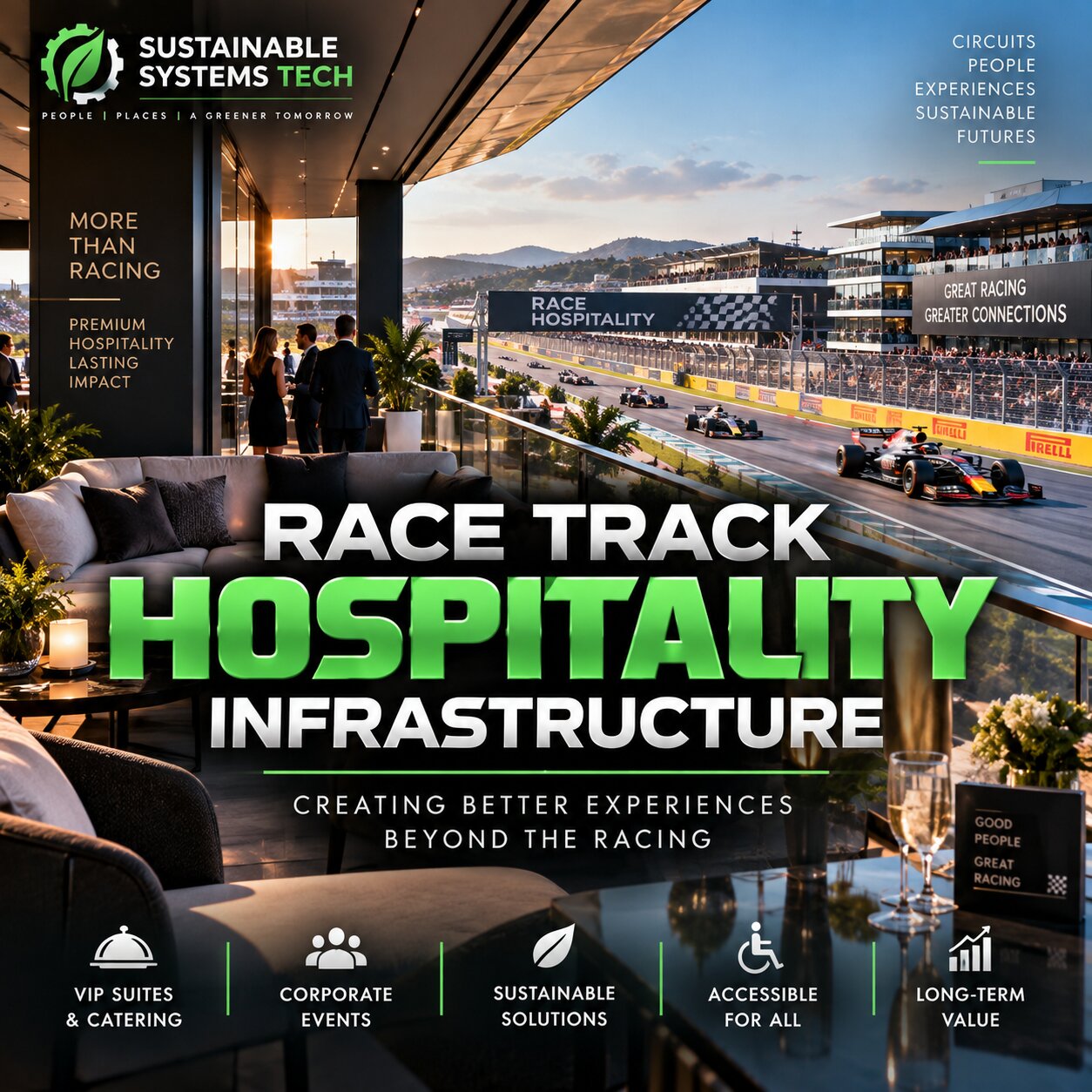
Modern motorsport venues need far more than a fast circuit and grandstands. Race track hospitality infrastructure has become an important part of circuit planning, helping venues accommodate corporate guests, sponsors, teams, media representatives and spectators while generating valuable revenue beyond standard ticket sales.
From permanent hospitality suites overlooking the circuit to temporary VIP structures erected for major events, these facilities need to combine comfort, accessibility, technology and operational efficiency. They must also function safely within the wider infrastructure of a busy motorsport venue.
For circuit owners and event organisers, investing in race track hospitality infrastructure can therefore improve both the visitor experience and the long-term commercial potential of a facility.
What Is Race Track Hospitality Infrastructure?
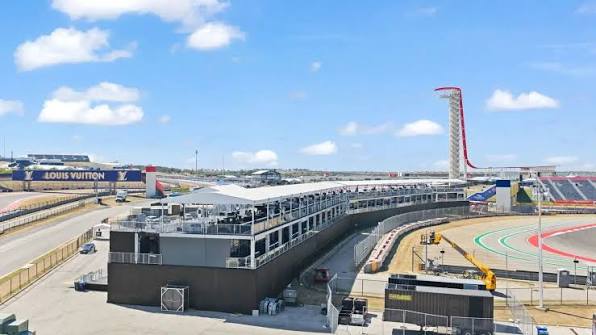
Race track hospitality infrastructure includes the buildings, utilities, services and supporting systems used to provide premium experiences during motorsport events.
Permanent circuits may incorporate dedicated hospitality buildings into pit complexes, grandstands or paddock areas. Other venues rely heavily on temporary structures that can be configured according to the size and requirements of individual events.
Typical hospitality infrastructure can include:
- Corporate suites and private viewing lounges
- VIP terraces, balconies and viewing decks
- Catering kitchens, bars and dining facilities
- Conference and meeting spaces
- Guest toilets and accessible amenities
- Reception, ticketing and accreditation areas
- Temporary marquees and modular hospitality units
- Electrical, water, drainage and communications connections
- Service routes for catering and hospitality personnel
The best solution depends heavily on the circuit, event calendar, available space and expected number of guests.
Planning Hospitality Areas Around the Circuit
Location plays a major role in the success of race track hospitality infrastructure.
Guests naturally expect good views of the racing, making areas overlooking the start-finish straight, pit lane, major corners and other important sections particularly valuable. However, visibility cannot be the only consideration.
Hospitality facilities also require safe pedestrian access, emergency routes and sufficient separation from operational motorsport areas. Deliveries need to reach kitchens and service areas without conflicting unnecessarily with spectator movement or team operations.
Designers should also consider how guests travel between entrances, parking areas, hospitality facilities and other attractions around the venue. Clear wayfinding and sensible circulation can prevent premium areas from becoming isolated from the rest of the event experience.
Utilities and Communications Matter
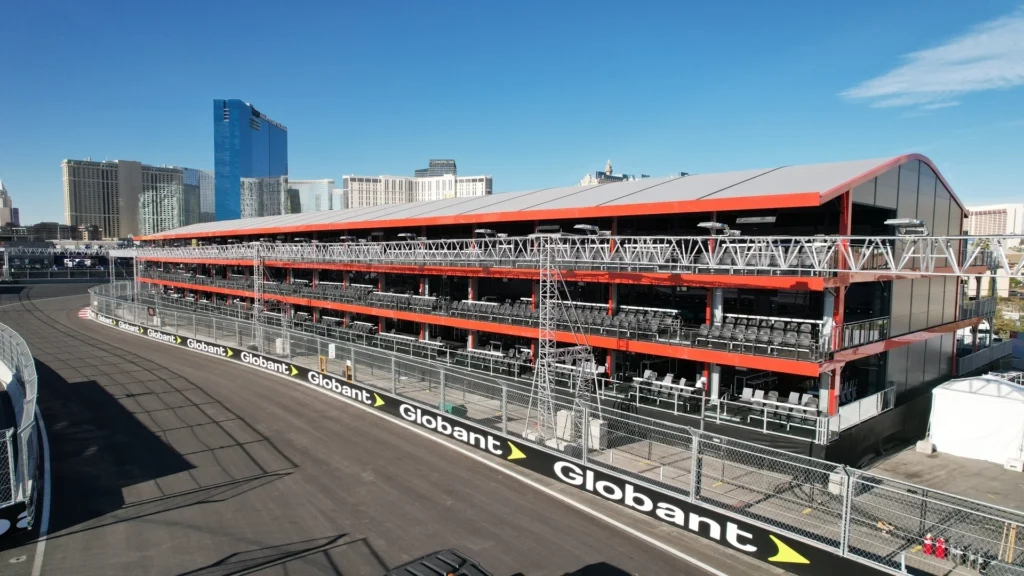
Premium facilities depend heavily on reliable supporting infrastructure.
Electricity is required for lighting, refrigeration, catering equipment, displays, climate control and numerous other systems. Water supply and wastewater management become equally important when hospitality areas contain kitchens, toilets and bars.
Modern guests also expect dependable connectivity.
Wi-Fi networks, mobile coverage, television feeds and digital timing information allow visitors to follow events even when their hospitality area does not overlook every section of the circuit. Corporate guests may additionally require presentation equipment, charging facilities and reliable internet access.
These systems should be considered during the initial planning of race track hospitality infrastructure, rather than being treated as temporary additions immediately before an event.
Catering and Service Infrastructure
Food and beverage services can place significant demands on a race track.
Large hospitality areas may need commercial kitchens capable of serving hundreds or even thousands of guests during relatively short periods. Smaller suites may instead depend on central catering facilities with meals transported to individual locations.
Storage, refrigeration, waste handling and delivery access all need careful consideration.
Service corridors and back-of-house areas can help keep deliveries, catering staff and waste movement away from guest-facing spaces. This separation improves presentation while reducing congestion and potential conflicts between operational activities and visitors.
Food safety requirements must also form part of the planning process, particularly when temporary kitchens or outdoor catering facilities are used.
Accessibility and Inclusive Hospitality
Premium experiences should remain accessible to as many visitors as reasonably possible.
That means considering step-free routes, lifts where necessary, accessible toilets, suitable seating arrangements and viewing positions for people with mobility requirements.
The design of race track hospitality infrastructure should also account for the distances guests may need to travel. Motorsport venues can cover enormous areas, and a technically accessible route may still be impractical if it requires excessive travel between parking, entrances and hospitality areas.
Clear signage, appropriate lighting and accessible information can further improve the experience.
Inclusive design benefits more than visitors with permanent disabilities. Older guests, people recovering from injuries and visitors with temporary mobility limitations may all benefit from better accessibility.
Temporary Versus Permanent Hospitality Infrastructure
Not every race track requires large permanent hospitality buildings.
Circuits hosting frequent international events may justify significant investment in permanent suites, restaurants and corporate facilities. Smaller venues might achieve better value through modular structures, temporary marquees and flexible spaces.
Temporary race track hospitality infrastructure offers considerable versatility because capacity can expand or contract according to demand. However, temporary facilities still require electricity, water, drainage, communications and safe access.
Permanent infrastructure usually involves greater initial investment but may provide opportunities for year-round use.
Conference facilities, restaurants and function spaces can potentially host corporate events, product launches, weddings and private functions when racing is not taking place. This helps transform hospitality infrastructure into a broader commercial asset.
Sustainability in Race Track Hospitality Infrastructure
Hospitality operations can consume considerable amounts of energy, water and materials, especially during large race weekends.
Sustainable planning can reduce this impact through efficient lighting, responsible water use, improved waste separation and energy-efficient catering equipment. Permanent buildings may also incorporate natural ventilation, solar energy and other efficiency measures where practical.
Reusable serviceware and better recycling systems can reduce waste generated by food and beverage operations.
Temporary structures should also be selected with repeated use in mind rather than functioning as disposable event infrastructure.
By incorporating sustainability into race track hospitality infrastructure, venues can reduce operational impacts while potentially lowering long-term resource costs.
Building Hospitality Infrastructure for Long-Term Value
Well-planned hospitality facilities do much more than provide comfortable places to watch motorsport.
They create opportunities for sponsorship, corporate entertainment, premium ticket packages and non-racing events while improving the overall experience offered by a circuit.
Successful race track hospitality infrastructure needs to balance excellent viewing opportunities with safe access, reliable utilities, catering requirements, accessibility and efficient behind-the-scenes operations.
When these elements are considered together, hospitality becomes an integrated part of the race track rather than an addition placed around it.
For venues looking towards long-term sustainability and commercial resilience, that integration can help ensure infrastructure continues delivering value long after the chequered flag falls.