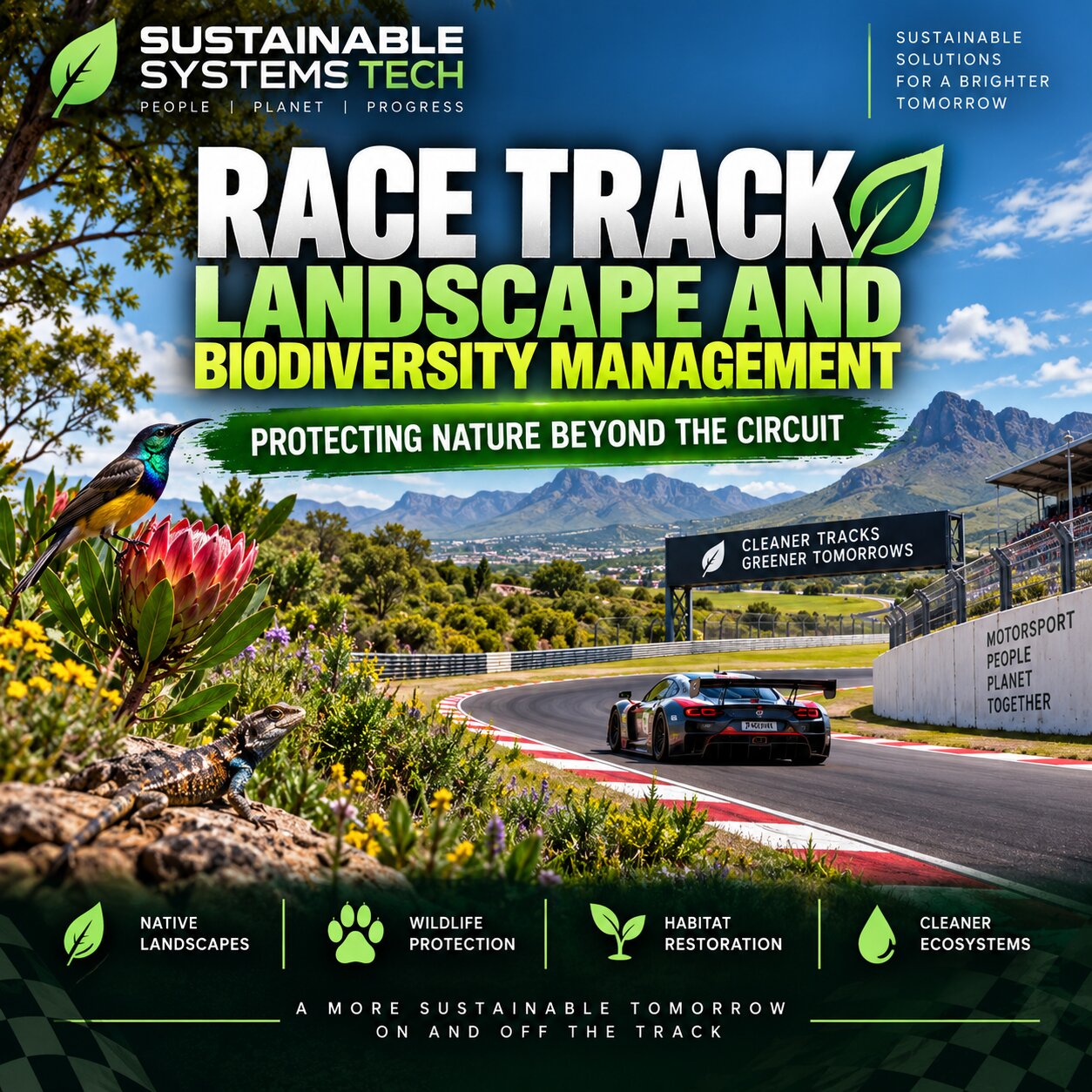
Race tracks are often associated with roaring engines, grandstands and high-speed competition, but the land surrounding a circuit can contain surprisingly diverse natural environments. Effective race track landscape and biodiversity management helps motorsport facilities protect these areas while maintaining safe, functional and attractive venues.
From indigenous vegetation and wetlands to grasslands and wildlife corridors, careful environmental planning can transform unused areas around a race circuit into valuable ecological spaces.
Understanding the Landscape Around a Race Track
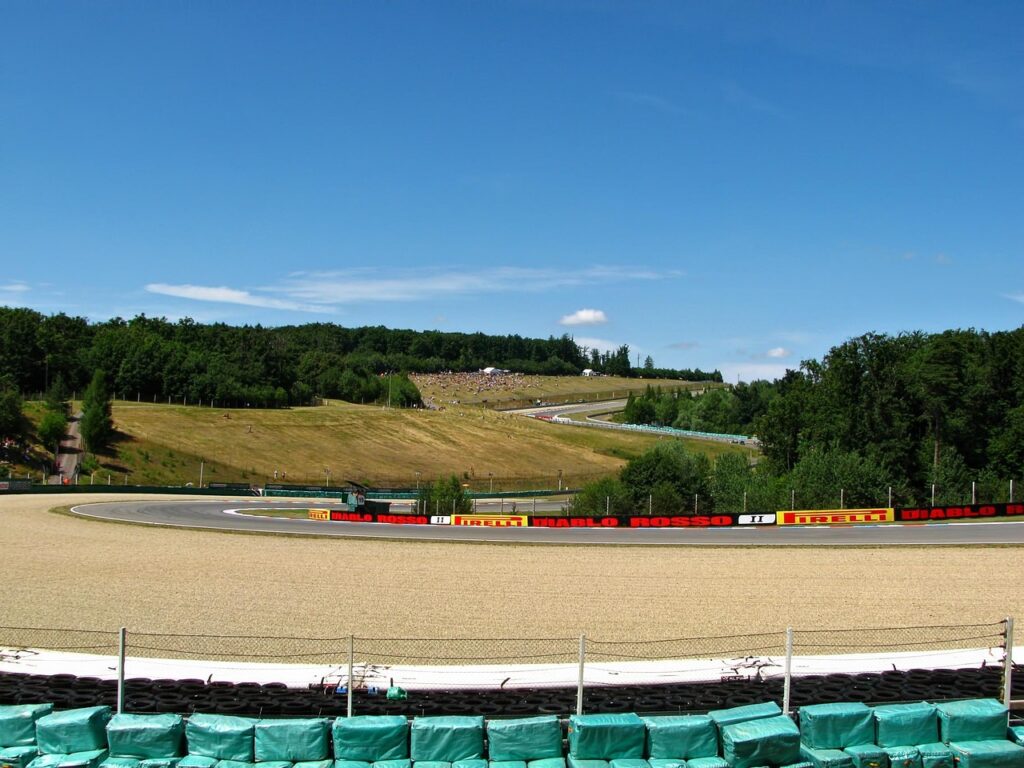
A motorsport venue can occupy a substantial area of land, yet only part of that space is required for the racing surface, paddocks, buildings, parking and spectator facilities. The remaining landscape presents opportunities for biodiversity conservation.
Before making landscaping decisions, circuit operators should understand existing vegetation, soil conditions, drainage patterns and wildlife populations.
Environmental surveys can identify sensitive habitats and invasive species while highlighting areas suitable for rehabilitation or conservation.
Managing Vegetation Responsibly
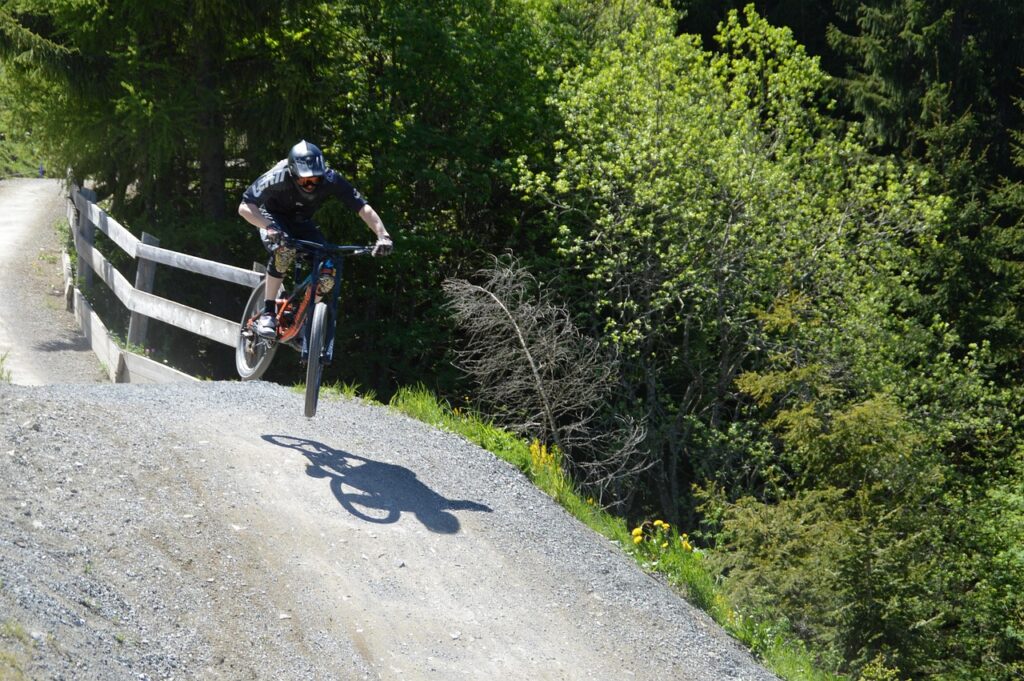
Vegetation around a race track must sometimes fulfil practical safety requirements. Grass near racing surfaces needs to be maintained, sightlines must remain clear and vegetation cannot interfere with barriers, marshal posts or emergency access routes.
However, race track landscape and biodiversity management can extend beyond these operational areas.
Where appropriate, facilities can:
- Replace invasive plants with indigenous species
- Establish wildflower and pollinator areas
- Protect existing mature trees
- Reduce unnecessary mowing
- Restore degraded land
- Create buffer zones around waterways
- Maintain wildlife corridors between habitats
Using indigenous vegetation can also reduce irrigation requirements because locally adapted plants are generally better suited to regional conditions.
Protecting Wildlife at Motorsport Facilities
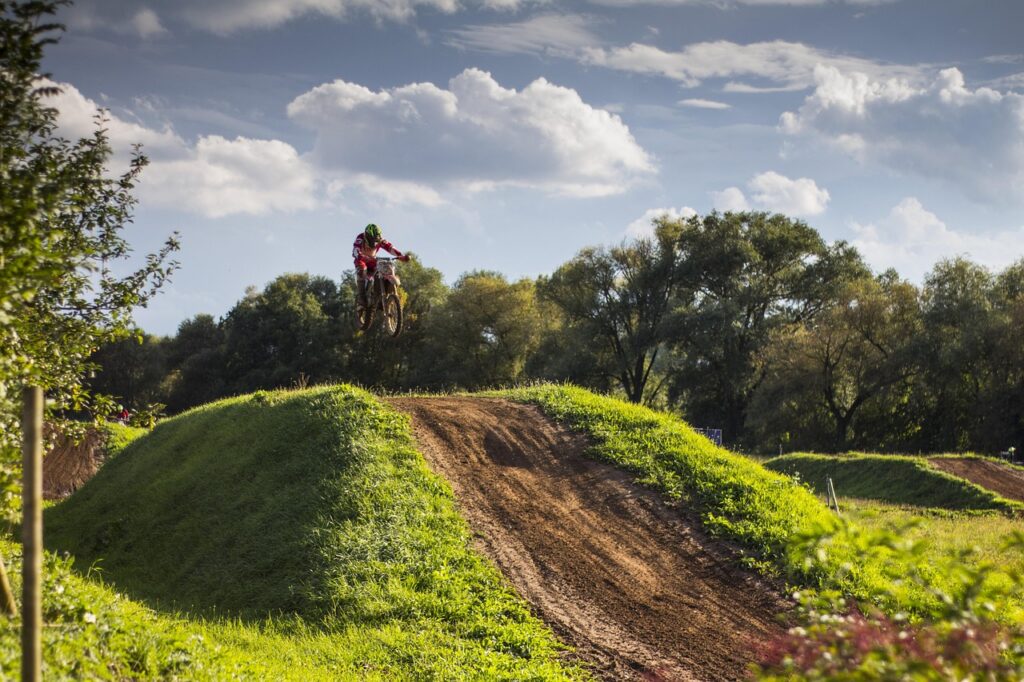
Wildlife management requires balancing conservation with safety. Animals entering an active circuit can create serious risks for drivers and the animals themselves.
Suitable fencing and habitat planning can discourage wildlife from entering dangerous areas while maintaining movement through safer sections of the property. Smaller species, birds and insects can also benefit from carefully managed habitats away from racing infrastructure.
Water management plays an important role too. Preventing contaminated runoff from reaching rivers, wetlands or groundwater helps protect ecosystems extending far beyond the circuit boundaries.
Creating Greener Motorsport Venues
Good landscaping can provide environmental benefits without compromising the primary purpose of a race track. Native planting can support biodiversity, improve soil stability, reduce erosion and create more attractive surroundings for visitors.
These measures can complement wider sustainability initiatives involving energy, water, waste and transportation.
Ultimately, race track landscape and biodiversity management recognises that motorsport facilities form part of a much larger environment. By protecting natural habitats and managing unused land responsibly, race tracks can reduce their ecological impact while creating spaces where motorsport and nature can coexist.