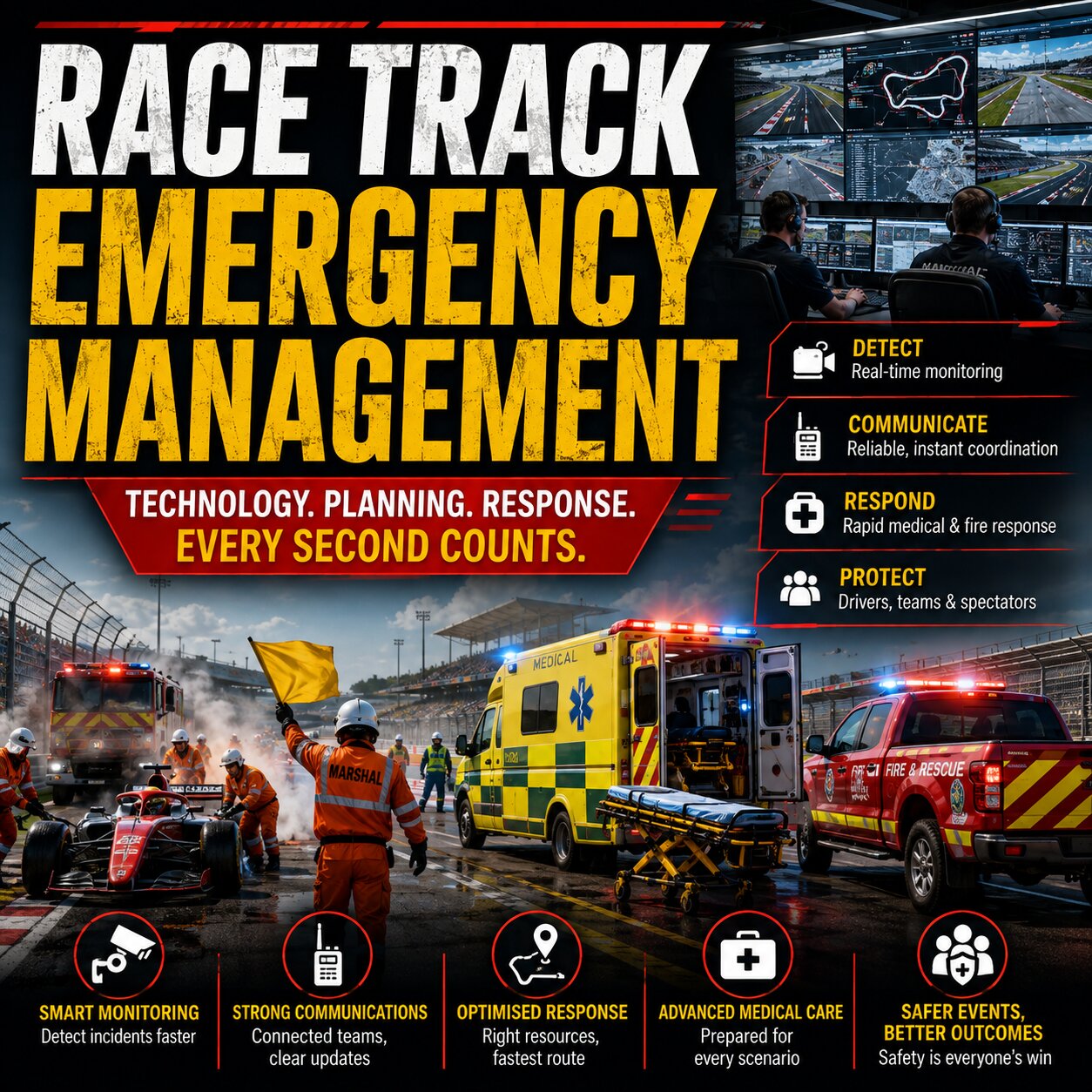
Motorsport is built around speed, but speed becomes even more important when something goes wrong. A serious collision, vehicle fire, medical emergency or incident involving spectators can require dozens of people and multiple systems to respond within seconds. Race Track Emergency Management brings those systems together, combining trained personnel with communications networks, monitoring technology and carefully designed infrastructure.
Modern circuits are effectively small cities during major events. Thousands of spectators, racing teams, officials, contractors, vehicles and temporary facilities may occupy the same venue. Emergency planning therefore extends far beyond responding to accidents on the circuit.
Technology is increasingly helping race track operators detect incidents sooner, understand what’s happening and coordinate the correct response.
Building an Emergency Response Network
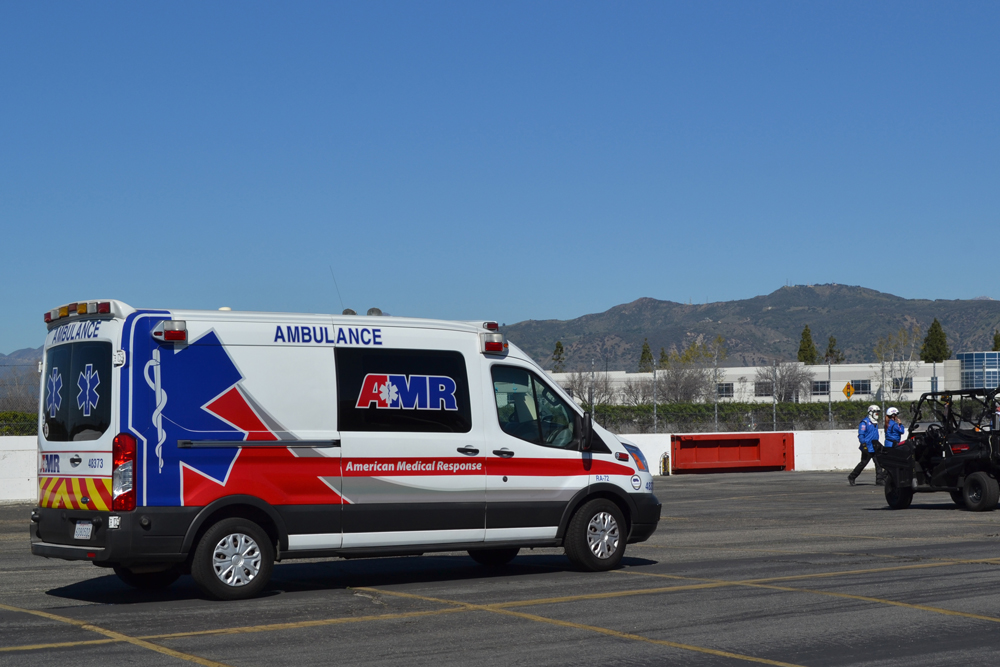
Effective Race Track Emergency Management begins long before cars enter the circuit.
Operators need established procedures covering everything from relatively minor incidents to major emergencies requiring external assistance. Medical teams, marshals, firefighters, security personnel and race control need to understand their responsibilities and how information moves between them.
The circuit itself also influences the response.
Access roads must allow emergency vehicles to reach different areas quickly. Medical facilities need appropriate locations, while fire and rescue equipment should be positioned according to potential risks.
Communication connects these individual components.
Digital radio networks can provide dedicated channels for marshals, medical teams, security personnel and operational staff. Race control can then coordinate these resources rather than relying on separate teams making isolated decisions.
Incident Detection and Race Control
Race control sits at the heart of Race Track Emergency Management.
Officials traditionally depend heavily on reports from marshals positioned around the circuit. Marshals remain essential, but modern monitoring systems can provide additional information almost immediately.
High-resolution cameras allow race control personnel to view incidents from multiple angles. Vehicle telemetry can indicate sudden stops or unusual behaviour, while track sensors may detect impacts or vehicles leaving designated areas.
Artificial intelligence and computer vision could expand these capabilities further.
Automated monitoring systems can potentially identify stopped vehicles, smoke, unusual crowd movement or objects on the circuit and immediately alert operators. The objective isn’t necessarily to replace human decision-making. Instead, technology can reduce the time between an incident occurring and someone recognising that action is required.
Those seconds can matter enormously.
Medical, Fire and Rescue Response
Motorsport presents unusual emergency-response challenges.
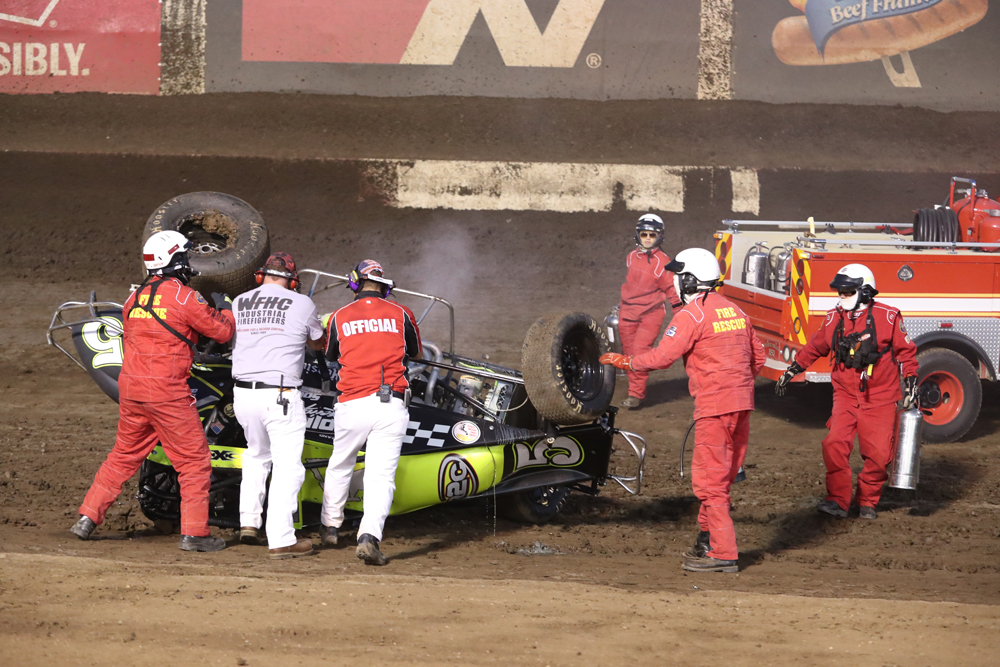
High-speed collisions can leave drivers trapped inside damaged vehicles. Electric and hybrid racing vehicles introduce high-voltage systems, while conventional racing fuels present obvious fire risks.
Race Track Emergency Management therefore requires specialised equipment and training.
Emergency resources around a circuit may include:
- Medical intervention vehicles and ambulances
- Fire suppression equipment
- Vehicle extraction and recovery equipment
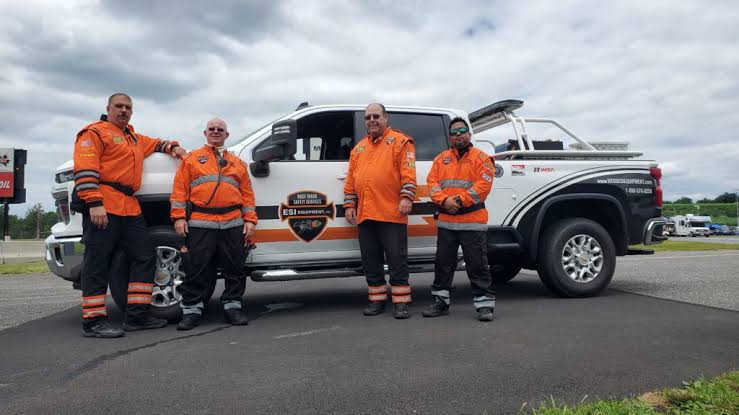
- Trained track marshals
- Dedicated medical centres
Location tracking can help race control identify which response unit is closest to an incident and whether its route remains accessible.
Digital mapping systems can provide another advantage. Instead of simply knowing that an accident occurred at a particular corner, emergency coordinators can view nearby access gates, service roads, barriers and available response teams.
This creates a clearer operational picture during situations where confusion can become dangerous.
Managing Spectator Emergencies
Not every emergency occurs on the racing surface.
Large motorsport events bring substantial crowds into grandstands, hospitality areas, parking facilities and entertainment zones. Race Track Emergency Management must consequently account for spectator safety alongside competition-related incidents.
Medical emergencies within crowds may require responders to navigate densely populated areas. Security incidents could require sections of the venue to be isolated, while severe weather, structural problems or fires might trigger evacuation procedures.
Crowd monitoring technology can assist operators here.
CCTV systems and occupancy sensors can identify congestion developing around entrances and exits. Digital ticketing information may provide estimates of how many people are occupying different areas, while mobile communications can distribute instructions directly to spectators.
Public address systems remain critical, but they’re increasingly part of a larger communications ecosystem.
Digital signage, venue apps, SMS notifications and social media channels can all help distribute emergency instructions when necessary.
Weather and Environmental Monitoring
Weather can rapidly transform race track conditions.
Heavy rainfall may cause standing water or flooding. Lightning presents risks to spectators and staff, while extreme temperatures can contribute to medical emergencies.
Environmental monitoring therefore forms another component of Race Track Emergency Management.
On-site weather stations can measure rainfall, wind, temperature and atmospheric conditions. Radar information and forecasting services can provide advance warning of approaching storms, allowing operators to act before conditions become dangerous.
Track sensors can potentially provide even more detailed information.
Surface temperature and moisture measurements can help officials understand how weather is affecting different parts of the circuit rather than relying on a single reading for an entire venue.
Digital Twins and Emergency Simulations
Digital twins could become particularly valuable for Race Track Emergency Management.
A digital representation of a circuit can combine information about buildings, access roads, spectator zones, utilities and operational systems. During planning, operators can use this environment to simulate different emergencies.
What happens if a fire blocks a particular spectator exit?
How quickly can an ambulance reach Turn 7 if one service road is unavailable?
Where should additional medical personnel be positioned when a grandstand reaches capacity?
Simulations allow teams to explore these questions before confronting them during a real emergency.
During an active incident, the same digital environment could incorporate live information from cameras, sensors and response teams, providing emergency coordinators with a continuously updated picture of the venue.
Technology Supporting Human Decisions
No amount of technology eliminates the need for trained people.
Marshals still need to respond beside the circuit. Medical professionals need to treat injured people. Fire crews need to control dangerous situations, and race officials must make decisions under pressure.
The purpose of Race Track Emergency Management technology is to help those people work with better information.
Faster detection can shorten response times. Connected communications can prevent teams from operating independently. Digital maps can identify the quickest access route, while monitoring systems can reveal risks developing elsewhere at the venue.
When everything works together, emergency management becomes less reactive and more coordinated.
Motorsport will always contain an element of risk. High speeds, powerful machinery and large crowds ensure that completely eliminating danger isn’t realistic.
The goal is therefore preparation.
Modern Race Track Emergency Management combines infrastructure, people, procedures and increasingly intelligent technology so that when something does go wrong, the right information reaches the right people as quickly as possible.
On a race track, fractions of a second determine who crosses the finish line first.
During an emergency, those same seconds can determine something far more important.