Waste collection is one of those essential urban services most people barely notice until something goes wrong. As cities grow, however, traditional collection schedules can become increasingly inefficient. Smart technology offers municipalities another way to approach the problem.
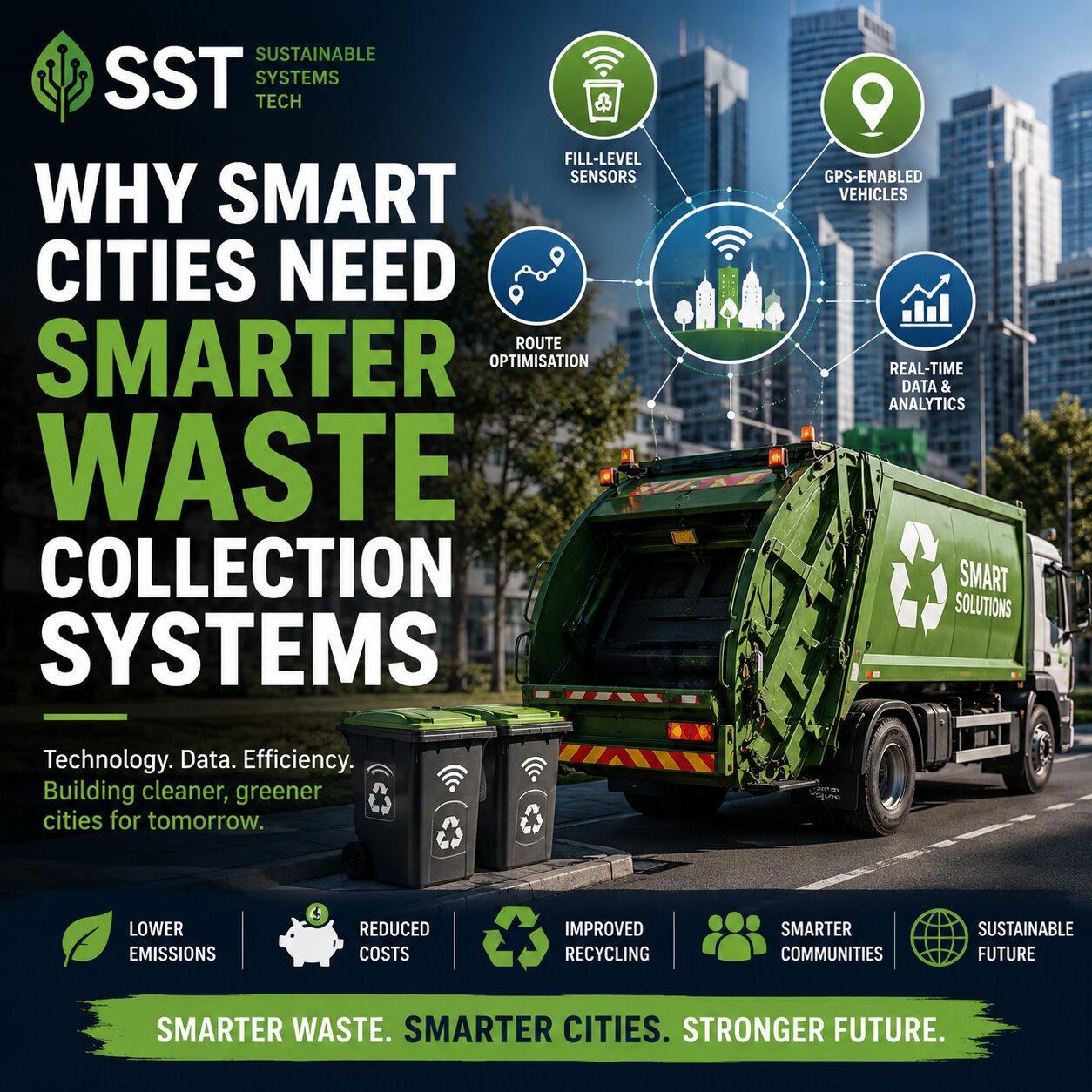
One example is the use of sensors inside public waste containers. Instead of sending collection vehicles along predetermined routes regardless of whether bins are full, sensors can provide information about which locations actually require attention. Collection routes can then potentially be adjusted according to demand.
Smarter waste systems can incorporate several technologies, including:
- Fill-level sensors in bins
- GPS-enabled collection vehicles
- Route optimisation software
- Recycling and waste-volume data
- Digital reporting and monitoring platforms
The potential benefits extend beyond convenience. Fewer unnecessary collection trips can mean lower fuel consumption, reduced vehicle emissions and more efficient use of municipal resources. Data can also reveal where additional bins are needed or where recycling programmes are performing particularly well.
Technology alone won’t solve urban waste challenges. Infrastructure, public participation and effective management remain essential. However, when those elements work together, smarter waste collection can become another practical component of creating cleaner, more efficient and increasingly sustainable cities.