Airport terminal lighting systems influence how passengers move, how employees work and how efficiently a building operates. From busy check-in halls to quiet boarding lounges, lighting needs to support different activities throughout the day and night. A successful installation balances visibility, comfort, energy consumption and maintenance requirements.
For airport operators, lighting is also a practical part of sustainable infrastructure planning. Selecting efficient fittings is a useful starting point, but lasting improvements depend on how the entire system is designed, controlled and maintained. At Sustainable Systems Tech, we explore why terminal lighting deserves attention within the wider facilities management strategy.
Designing Lighting Around Each Terminal Area

Airport terminals contain several environments within one building. Check-in counters require clear task lighting, circulation routes need consistent visibility, and waiting areas should allow passengers to read or relax comfortably. Applying the same lighting arrangement everywhere can overlook these differences.
Effective airport terminal lighting systems respond to the purpose of each space. Lighting can help make entrances, information points and boarding areas easier to identify, supporting passenger movement through an unfamiliar building. Signify identifies visibility, comfort and intuitive navigation as important considerations in passenger-area lighting.
A lighting assessment should therefore consider individual areas, including:
- Check-in counters, self-service kiosks and baggage drop facilities.
- Security screening areas and passport control desks.
- Departure lounges, boarding gates and connecting corridors.
- Baggage reclaim halls and arrival meeting points.
- Retail spaces, restaurants, offices and staff facilities.
The relationship between these areas matters too. Moving from a brightly lit concourse into a noticeably darker corridor can create an uncomfortable visual transition. Coordinated design helps maintain a more consistent experience across the terminal.
Improving Efficiency with Suitable LED Lighting
LED technology provides opportunities to improve the efficiency of airport terminal lighting systems. However, selecting a replacement solely because it uses fewer watts does not establish whether it will illuminate the space effectively.
Light output, distribution, glare control and colour quality all affect the result. A high-ceilinged departure hall needs a different solution from a service counter or an office. The US Department of Energy’s commercial lighting guidance also identifies occupancy sensing, task tuning and daylight-responsive dimming as options for further savings.
Procurement should consider the complete installation. Driver compatibility, access for repairs, replacement components and warranty arrangements can influence operating costs over time. A fitting that is inexpensive to purchase may prove less attractive if maintenance repeatedly disrupts a busy passenger area.
Matching Lighting Controls to Terminal Activity
Passenger activity changes with flight schedules, staffing patterns and the use of individual gates. Airport terminal lighting systems can respond more effectively when spaces are divided into appropriate control zones.
For example, an unused meeting room may be suitable for occupancy-based switching, while an active concourse needs dependable illumination regardless of whether a sensor detects movement at a particular moment. Public waiting areas also require careful consideration because seated passengers may remain relatively still.
Controls must be commissioned and checked under realistic conditions. Sensor placement, time delays and dimming settings influence both comfort and performance. Department of Energy guidance emphasises that correct placement, calibration and commissioning are necessary to achieve and maintain the intended savings.
Integrating Daylight Without Creating Discomfort
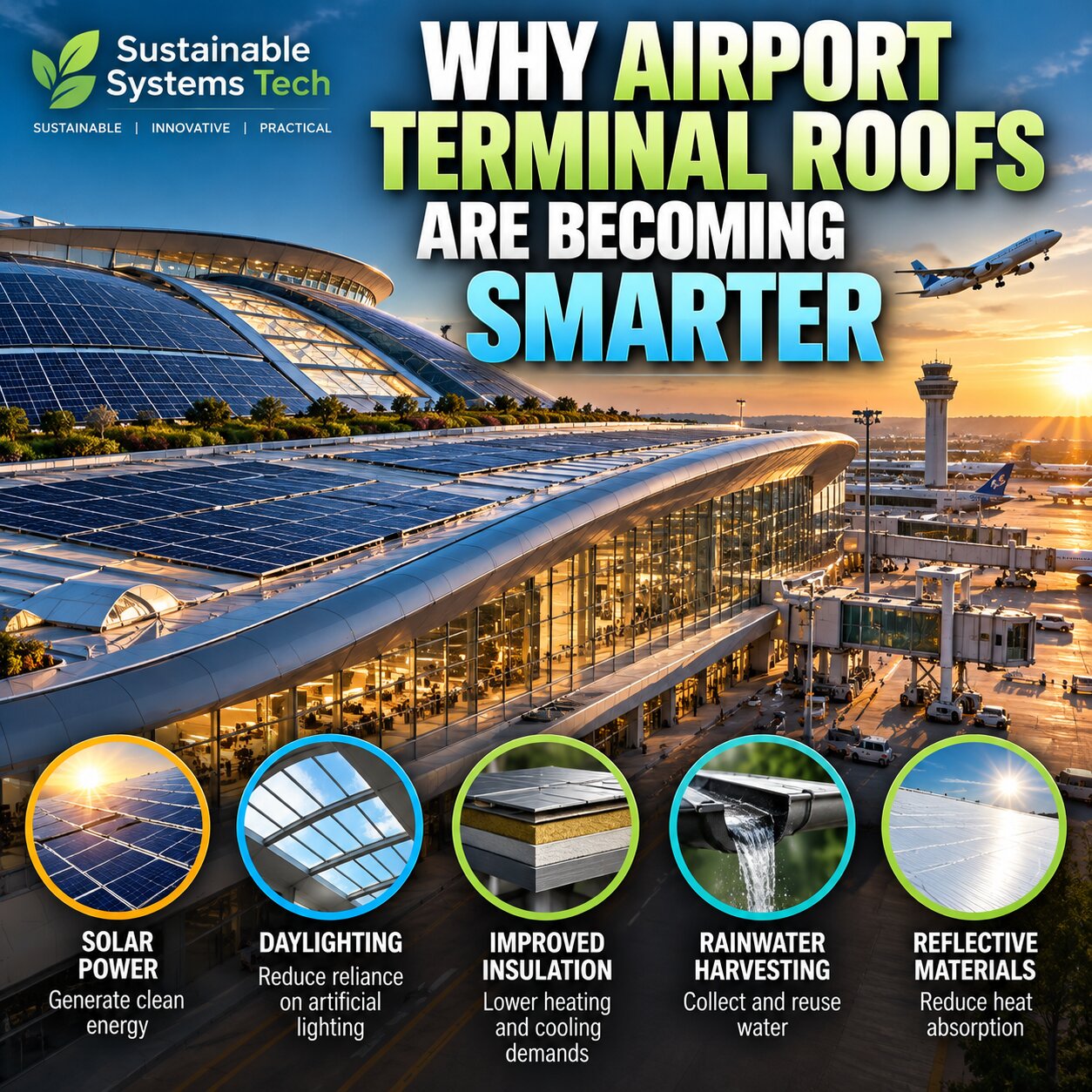
Large windows and rooflights can bring useful daylight into terminal buildings. When properly integrated with electric lighting, this can reduce the need for artificial illumination during suitable daytime conditions.
However, airport terminal lighting systems must account for changing sunlight, reflections and the depth of the building. Bright conditions beside a window do not necessarily mean an interior queue or service desk has enough light. Separate control zones can help the lighting respond to these differences.
Daylight planning should also consider shading and heat gain. The Department of Energy notes that effective daylighting balances useful natural light against excessive sunlight, glare and cooling demands. This makes coordination between lighting, glazing and building services an important part of the design process.
Planning for Maintenance and Operational Continuity
Maintaining airport terminal lighting systems can involve work above occupied spaces, restricted access and limited opportunities to close an area. These practical conditions should influence equipment selection and maintenance planning from the beginning.
An asset register can record fitting types, locations, drivers and installation dates. Combined with inspections and fault records, it helps facilities teams identify recurring problems and organise replacements. Cleaning also deserves attention, as accumulated dirt can reduce the useful light reaching surfaces.
Emergency lighting needs a dedicated approach within the wider installation. Its design, power arrangements, inspection and testing should be addressed by appropriately qualified specialists against the requirements applicable to the terminal. Energy-saving controls must preserve the lighting functions needed during an emergency.
Take a Coordinated Approach with Sustainable Systems Tech
Improving airport terminal lighting systems starts with understanding the existing building. Operating hours, passenger activity, lighting condition and maintenance difficulties provide a more useful starting point than choosing new fittings in isolation.
A phased improvement plan can then connect immediate maintenance needs with longer-term efficiency objectives. Reviewing performance after installation helps establish whether the changes deliver suitable illumination and the expected operational benefits.
Contact Sustainable Systems Tech to discuss your airport infrastructure and facilities management requirements. Let us help you explore how lighting improvements can fit into a practical strategy for a more efficient, comfortable and maintainable terminal.