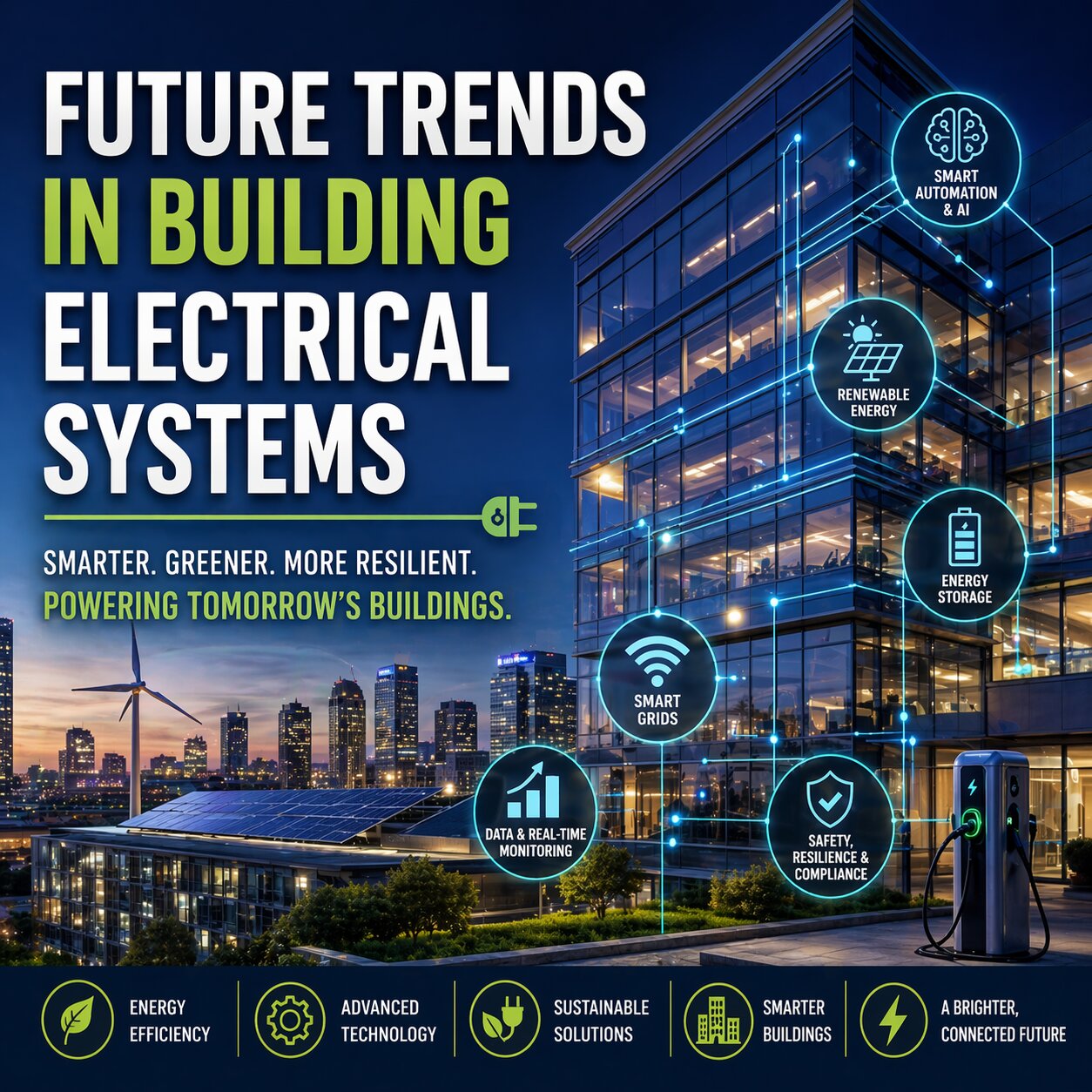
Preventive maintenance for electrical infrastructure is essential for ensuring the safety, reliability, and efficiency of modern systems. Whether in commercial buildings, industrial facilities, or public infrastructure, electrical systems must operate consistently without unexpected failures.
Ignoring maintenance can lead to costly downtime, safety hazards, and reduced system lifespan. With growing demands on electrical networks, proactive care is more important than ever.
By implementing structured preventive maintenance for electrical infrastructure, organisations can identify potential issues early, optimise performance, and extend the life of critical assets.
Why preventive maintenance matters
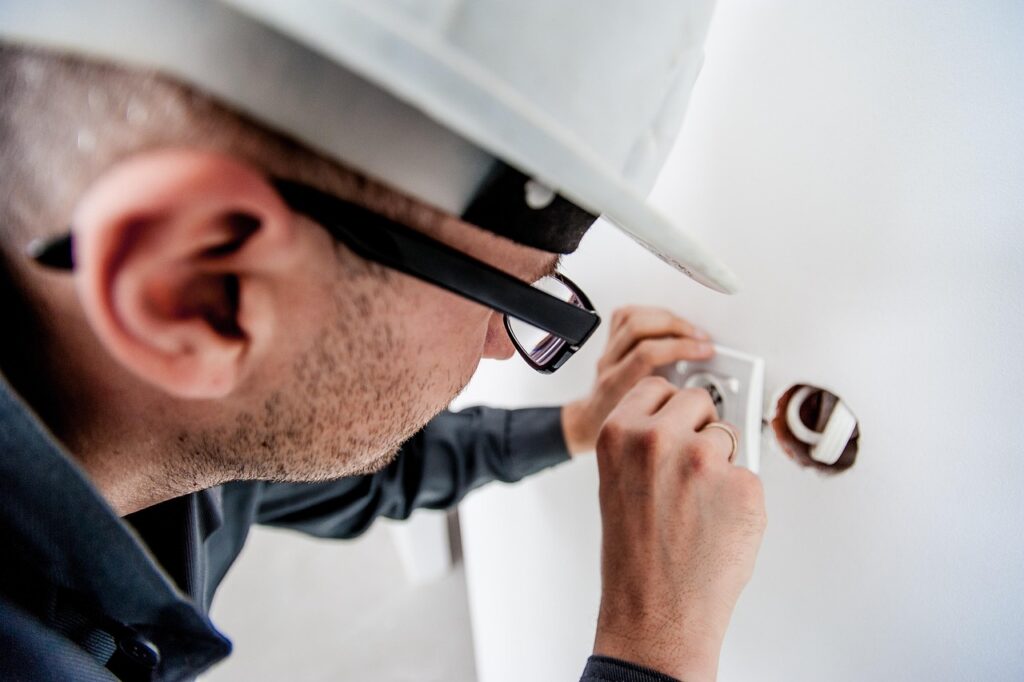
Electrical infrastructure forms the backbone of modern operations. From lighting and HVAC systems to complex industrial machinery, everything depends on stable power distribution.
Without proper maintenance, components degrade over time. Insulation weakens, connections loosen, and equipment becomes more prone to failure. These issues often go unnoticed until a breakdown occurs.
Preventive maintenance for electrical infrastructure addresses these risks before they escalate. Regular inspections and testing ensure that systems remain in optimal condition and compliant with safety standards.
In the long run, this approach reduces downtime, improves efficiency, and lowers overall operational costs.
Common risks in electrical infrastructure
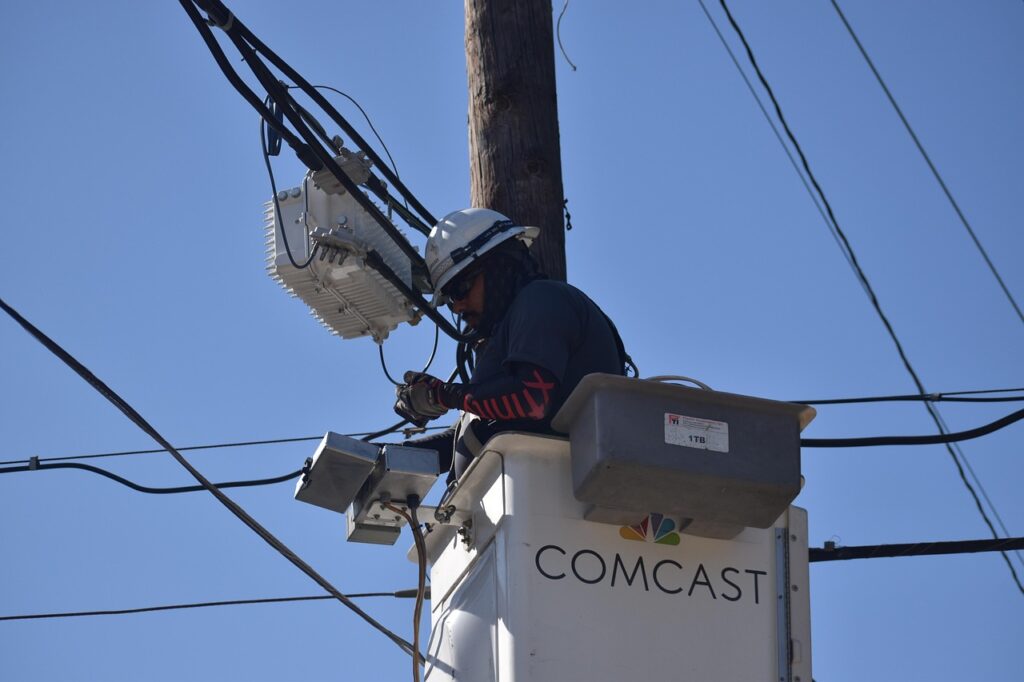
Electrical systems face a variety of risks that can compromise performance and safety. Understanding these risks is key to implementing effective maintenance strategies.
Environmental factors such as moisture, dust, and temperature fluctuations can accelerate wear and tear. Mechanical stress and vibration also contribute to equipment degradation.
Overloading circuits and outdated components further increase the likelihood of failure. In many cases, these issues develop gradually, making them difficult to detect without regular monitoring.
Preventive maintenance for electrical infrastructure helps identify these risks early, allowing for timely intervention and reducing the chance of unexpected outages.
Key components of a preventive maintenance plan
A successful maintenance strategy involves a combination of inspections, testing, and scheduled servicing. Each component plays a critical role in maintaining system integrity.
Routine visual inspections help detect obvious signs of damage or wear. Thermal imaging can identify overheating components, while electrical testing ensures proper functionality.
Documentation is equally important. Keeping detailed records of maintenance activities allows teams to track performance trends and plan future interventions more effectively.
Preventive maintenance for electrical infrastructure is not a one-time task. It requires a structured and ongoing approach to deliver consistent results.
Essential maintenance practices

To maintain reliable electrical systems, organisations should focus on the following practices:
- Regular inspection of wiring, panels, and connections
- Thermal imaging to detect hotspots and overheating
- Testing of circuit breakers and protective devices
- Cleaning of electrical components to prevent dust buildup
- Monitoring load levels to avoid overloading systems
- Updating outdated or worn-out equipment
These practices form the foundation of effective preventive maintenance for electrical infrastructure and help minimise the risk of failure.
Benefits of proactive maintenance
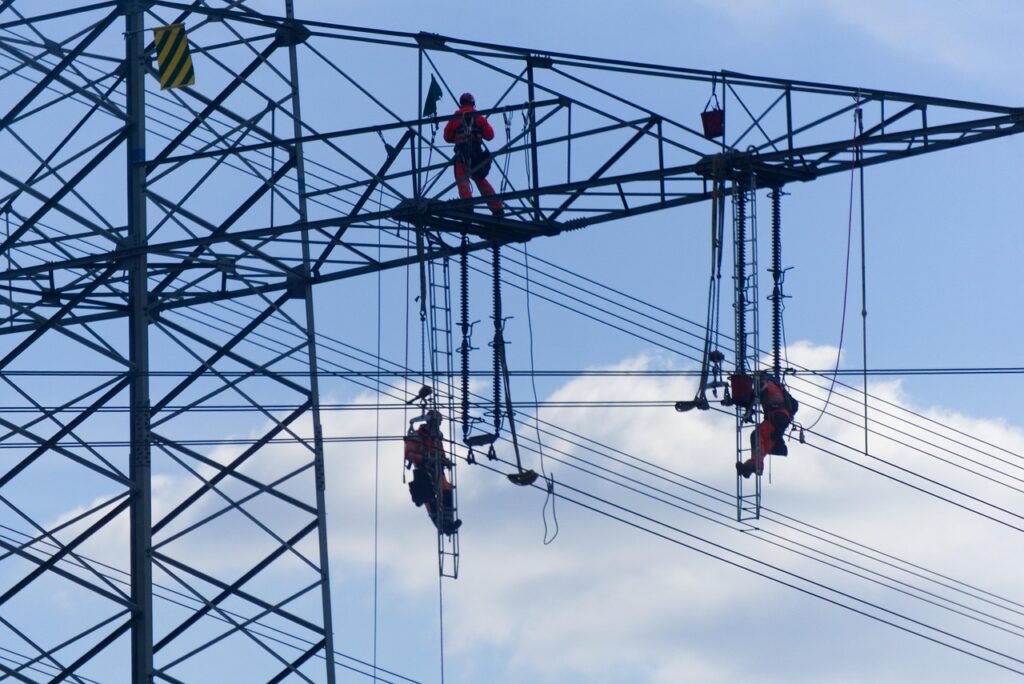
Investing in preventive maintenance delivers measurable benefits across multiple areas. Reliability improves as systems are kept in optimal condition, reducing unexpected breakdowns.
Safety is significantly enhanced, as potential hazards are identified and addressed before they cause harm. This is especially important in high-risk environments such as industrial facilities.
Cost savings are another major advantage. Preventing failures is far more affordable than repairing or replacing damaged equipment.
Preventive maintenance for electrical infrastructure also supports sustainability by improving energy efficiency and reducing waste.
Integrating technology into maintenance strategies
Modern technology is transforming how maintenance is performed. Smart sensors, IoT devices, and advanced monitoring systems provide real-time insights into system performance.
These tools enable predictive maintenance, where potential issues are identified based on data trends rather than scheduled intervals. This approach enhances the effectiveness of preventive maintenance for electrical infrastructure.
Digital platforms also streamline documentation and reporting, making it easier to manage maintenance activities and ensure compliance.
By embracing technology, organisations can take their maintenance strategies to the next level.
Building a resilient electrical future
Preventive maintenance for electrical infrastructure is not just about avoiding problems. It is about building systems that can withstand the demands of the future.
As infrastructure becomes more complex and energy demands continue to grow, reliability and efficiency will remain top priorities. A proactive maintenance approach ensures that systems are prepared to meet these challenges.
Organisations that prioritise maintenance today will benefit from improved performance, reduced costs, and greater operational stability in the years to come.