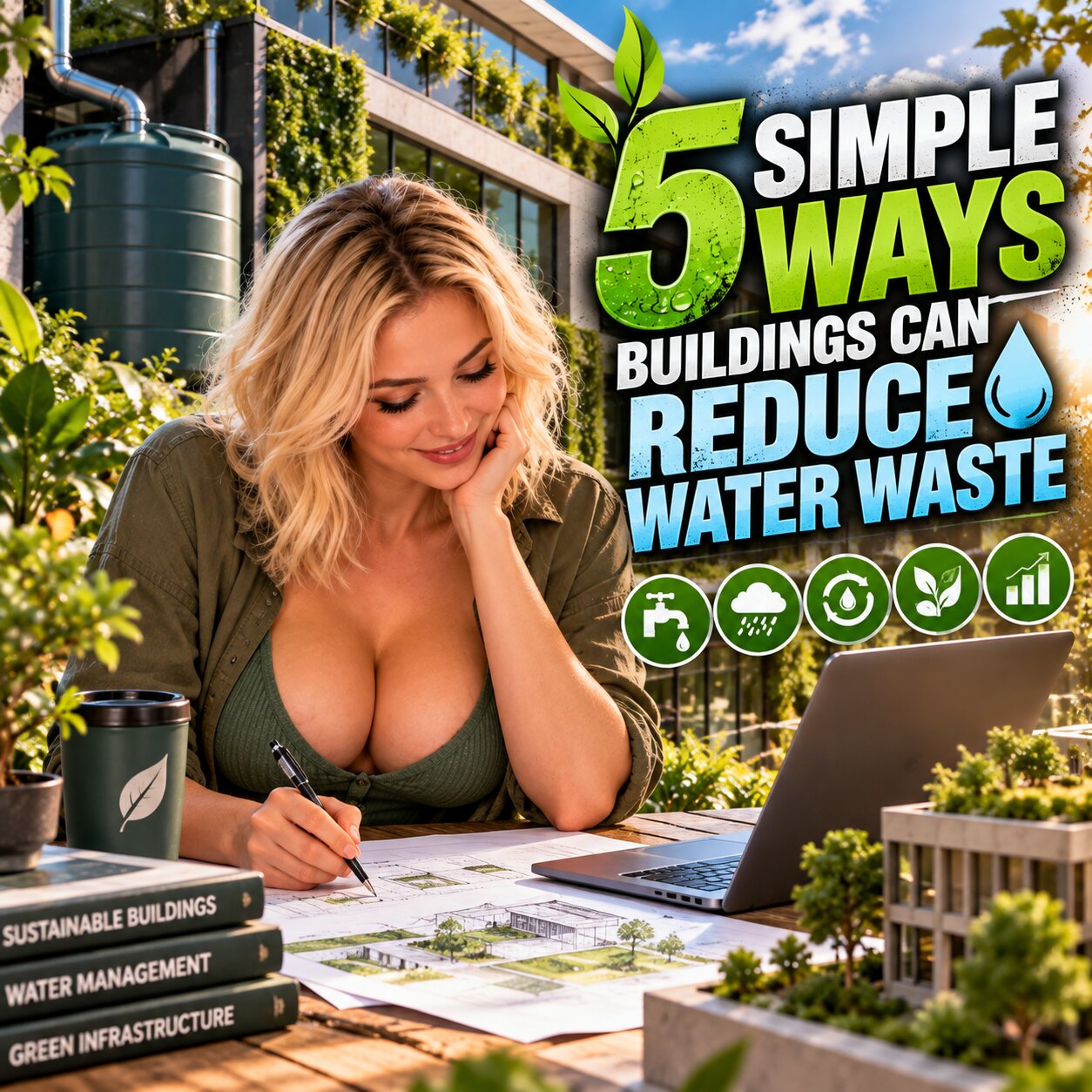
Water conservation is becoming increasingly important for residential, commercial and industrial buildings. With growing pressure on water resources, property owners and facility managers need practical ways to reduce unnecessary consumption.
Fortunately, significant improvements can begin with relatively simple changes.
1. Install Water-Efficient Fixtures
Low-flow taps, efficient showerheads and dual-flush toilets can reduce water consumption without significantly affecting everyday comfort.
These upgrades are particularly valuable in buildings with high occupancy.
2. Repair Leaks Quickly
A leaking pipe or continuously running toilet can waste substantial quantities of water over time.
Regular inspections and prompt repairs help prevent avoidable losses.
3. Harvest Rainwater
Rainwater harvesting systems collect water from suitable roof surfaces for storage and potential reuse.
Depending on treatment requirements and local regulations, collected water may support irrigation and other non-potable applications.
4. Use Smart Water Monitoring
Smart meters and leak-detection systems help facility managers identify unusual consumption patterns.
Early detection can prevent small problems from becoming expensive maintenance emergencies.
5. Improve Landscaping Practices
Indigenous, drought-tolerant plants and efficient irrigation systems can reduce outdoor water demand.
Mulching and watering during cooler periods also help minimise evaporation.
Making Water Efficiency Part of Building Management
Reducing water waste supports environmental sustainability while lowering operational costs. By combining efficient technology with responsible maintenance, buildings can become more resilient and resource-conscious.