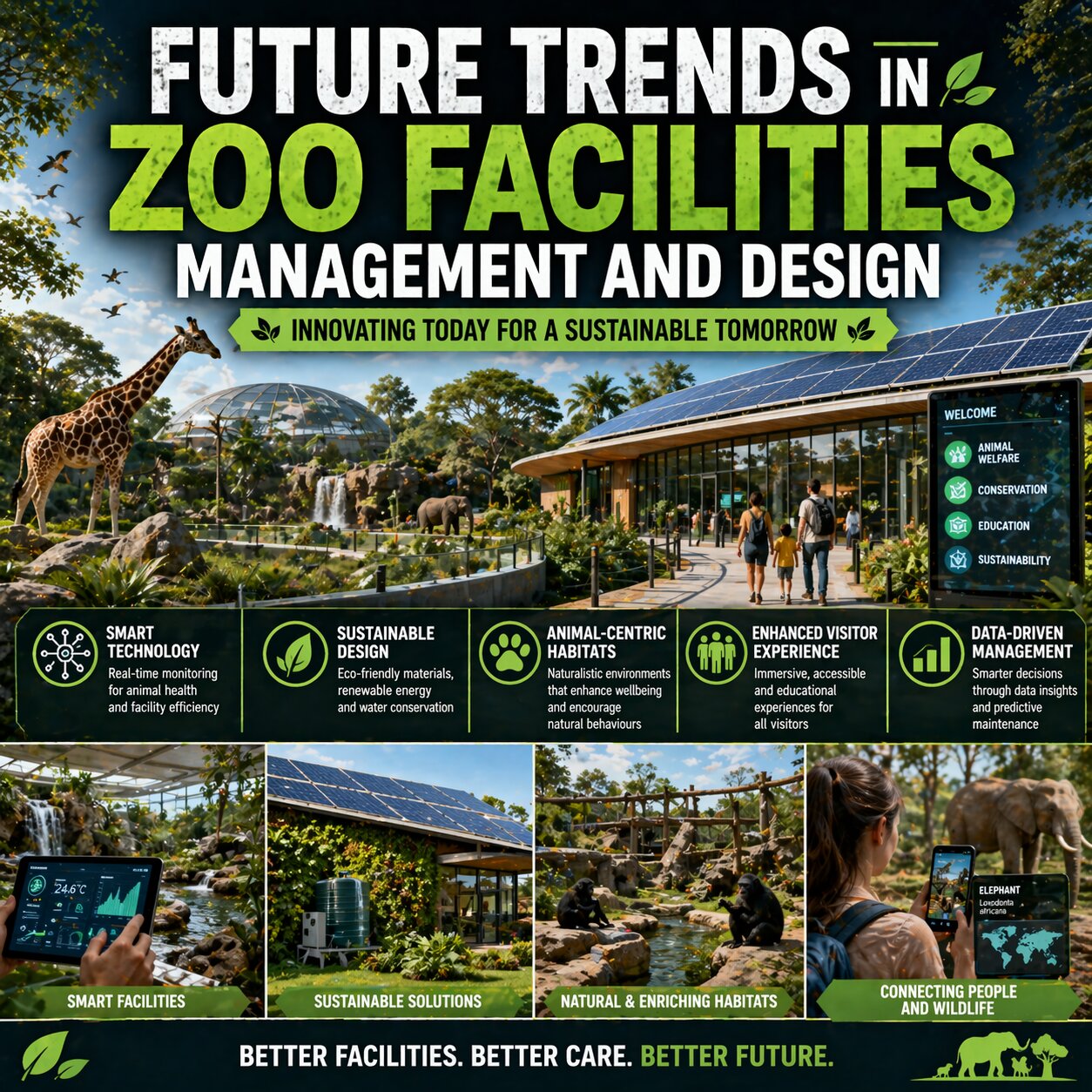
Smart monitoring systems for zoo habitats and enclosures are transforming how modern facilities manage animal welfare, safety, and environmental conditions. As zoos evolve into conservation and education hubs, technology is playing a critical role in ensuring animals live in environments that closely mimic their natural habitats.
These systems integrate sensors, data analytics, and automated controls to monitor everything from temperature and humidity to animal behaviour and enclosure integrity. This allows zoo operators to respond quickly to changes and maintain optimal living conditions at all times.
With increasing expectations around ethical animal care and sustainability, smart monitoring systems for zoo habitats and enclosures are becoming essential rather than optional. They provide real-time insights that support both animal wellbeing and operational efficiency.
As infrastructure advances, these technologies are helping zoos move towards a more proactive and data-driven approach to habitat management.
How smart monitoring systems work in zoo environments
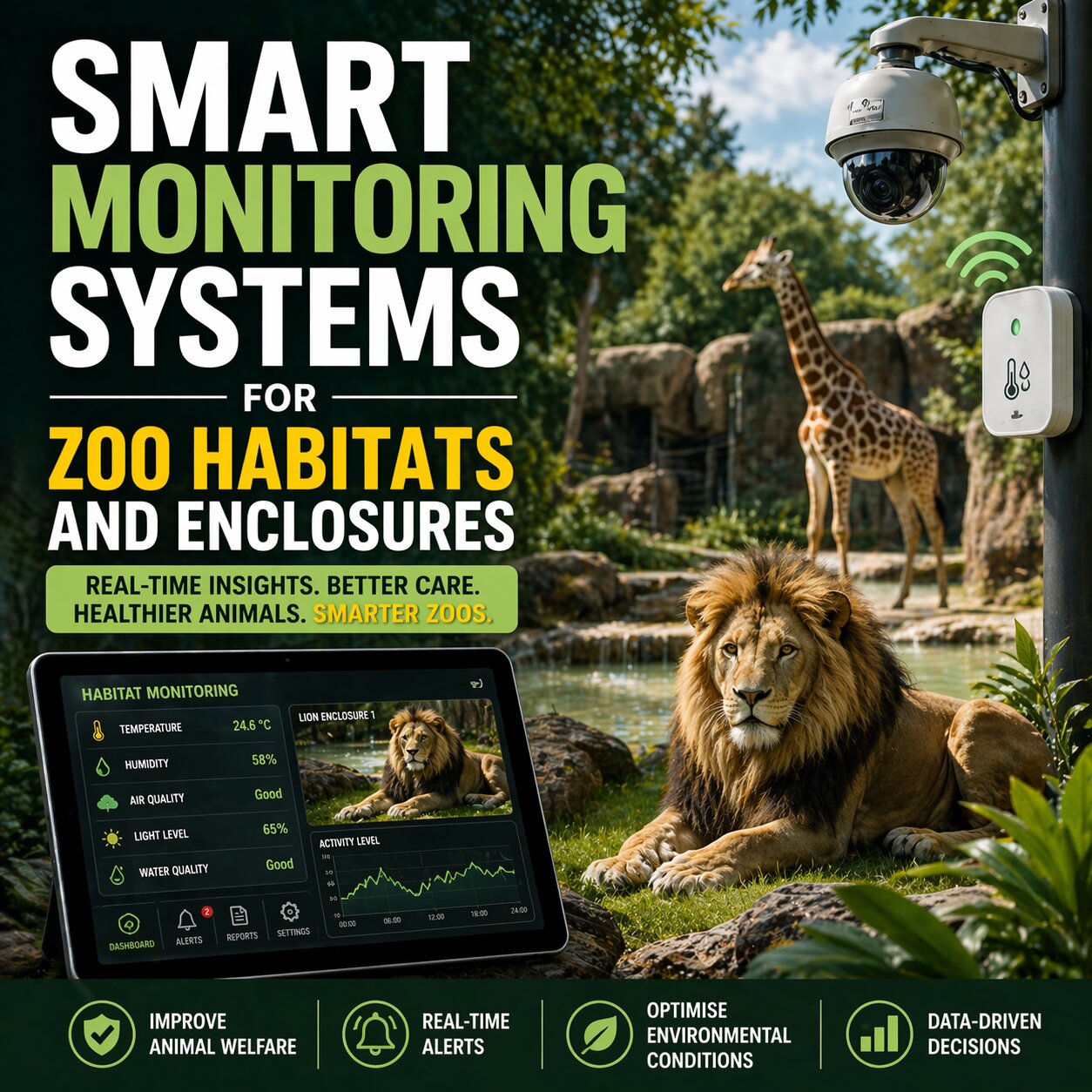
Smart monitoring systems for zoo habitats and enclosures rely on a network of interconnected devices that collect and analyse data continuously. Sensors placed throughout enclosures track environmental conditions such as temperature, humidity, air quality, and lighting levels.
These sensors feed data into centralised control systems, where software analyses trends and detects anomalies. If conditions fall outside predefined thresholds, alerts are triggered, enabling staff to take immediate action.
In addition to environmental monitoring, advanced systems can track animal movement and behaviour using cameras and motion sensors. This provides valuable insights into health, stress levels, and activity patterns.
Automation is another key component. Systems can adjust heating, cooling, lighting, and ventilation automatically, ensuring that each enclosure maintains the ideal conditions for its specific species.
Key components of smart monitoring systems
Smart monitoring systems for zoo habitats and enclosures consist of several integrated technologies that work together to deliver accurate and actionable data:
- Environmental sensors for temperature, humidity, air quality, and light
- Surveillance systems for behaviour tracking and security
- Automated climate control systems for heating, cooling, and ventilation
- Centralised software platforms for data analysis and reporting
- Alert and notification systems for real-time response
- Connectivity infrastructure, including IoT networks and cloud integration
These components create a comprehensive ecosystem that supports both daily operations and long-term planning.
By combining these technologies, zoos can ensure that every enclosure is monitored continuously, reducing risks and improving overall animal care.
Benefits for animal welfare and operational efficiency
The primary advantage of smart monitoring systems for zoo habitats and enclosures is improved animal welfare. By maintaining stable and appropriate environmental conditions, these systems help reduce stress and promote natural behaviours.
Real-time monitoring also enables early detection of potential health issues. Changes in activity patterns or environmental conditions can signal problems before they become serious, allowing for timely intervention.
From an operational perspective, these systems increase efficiency by automating routine tasks and reducing the need for manual checks. Staff can focus more on animal care and less on monitoring equipment.
Energy efficiency is another key benefit. Automated systems optimise the use of heating, cooling, and lighting, reducing energy consumption and operational costs.
Together, these advantages make smart monitoring systems a valuable investment for modern zoo infrastructure.
The future of zoo habitat management
The future of smart monitoring systems for zoo habitats and enclosures lies in deeper integration with artificial intelligence and predictive analytics. These technologies will enable systems to anticipate issues before they occur, rather than simply reacting to them.
AI-driven insights can help identify patterns in animal behaviour, environmental changes, and system performance. This allows for more informed decision-making and improved long-term planning.
There is also growing potential for remote monitoring, where experts can analyse data from anywhere in the world. This opens up opportunities for collaboration between zoos, researchers, and conservation organisations.
As these technologies continue to evolve, smart monitoring systems will play a central role in creating safer, more sustainable, and more humane environments for animals.
Building smarter habitats for a better future
Smart monitoring systems for zoo habitats and enclosures represent a significant step forward in how zoos care for their animals and manage their facilities. By combining technology with a commitment to animal welfare, these systems help create environments that are both efficient and ethically responsible.
As adoption increases, zoos will be better equipped to meet the challenges of modern conservation and education. The result is a future where animals thrive in well-managed habitats, supported by intelligent systems that ensure their wellbeing every moment of the day.