Modern buildings are no longer just physical structures. They are evolving into intelligent environments powered by smart electrical systems that improve efficiency, safety, and overall performance. As technology continues to advance, these systems are becoming a core part of how residential, commercial, and industrial spaces operate.
At their core, smart electrical systems integrate automation, data monitoring, and control technologies into traditional electrical frameworks. This allows building owners and managers to monitor energy usage, control systems remotely, and respond to issues in real time.
With growing demand for sustainability and cost savings, these systems are rapidly becoming standard in new developments and retrofitting projects across the globe.
What are smart electrical systems?

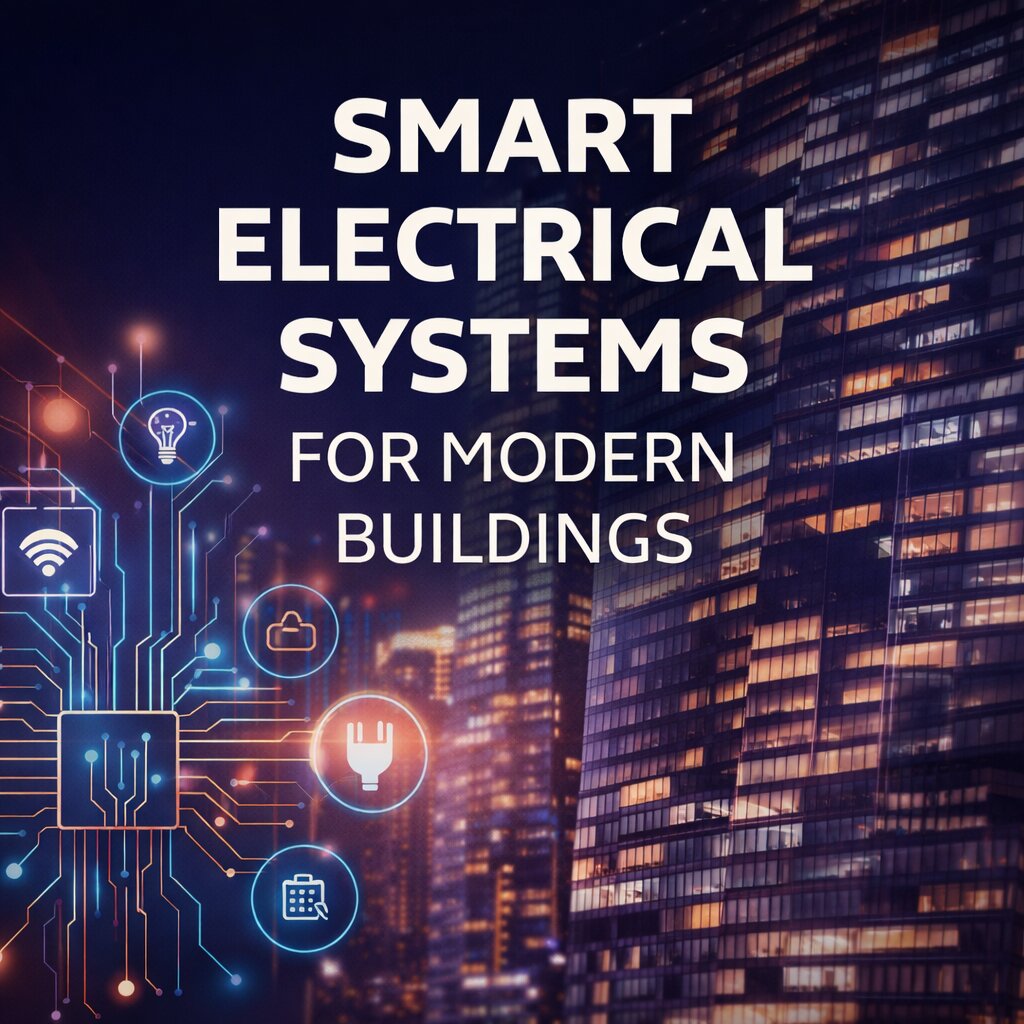
Smart electrical systems refer to advanced electrical infrastructures that combine hardware, software, and connectivity to create a more responsive and efficient energy network within a building. Unlike traditional systems, they can communicate, adapt, and optimise performance automatically.
These systems typically include smart meters, automated lighting controls, intelligent distribution boards, and integrated building management systems. Together, they provide a complete overview of energy consumption and system performance.
By using sensors and real-time data, building operators can make informed decisions, reduce waste, and maintain optimal performance without constant manual intervention.
Key components and technologies

The effectiveness of smart electrical systems depends on several interconnected technologies that work together to create a seamless experience.
Some of the most important components include:
- Smart meters for real-time energy tracking
- Automated lighting systems with occupancy sensors
- Intelligent circuit breakers and distribution boards
- Building management systems (BMS)
- Internet of Things (IoT) devices for connectivity
- Energy monitoring dashboards and analytics tools
These components allow buildings to operate more efficiently, detect faults early, and adapt to changing conditions throughout the day.
Benefits for modern buildings
One of the biggest advantages of smart electrical systems is improved energy efficiency. By continuously monitoring usage and adjusting consumption patterns, buildings can significantly reduce electricity costs and environmental impact.
Safety is another major benefit. These systems can detect anomalies such as overloads, faults, or unusual energy spikes, allowing for faster response times and reduced risk of damage or fire.
In addition, smart electrical systems enhance user comfort and convenience. Automated lighting, climate control integration, and remote access features create a more responsive and adaptable environment for occupants.
Applications across different sectors

Smart electrical systems are widely used across various sectors, each benefiting in unique ways from their capabilities.
In commercial buildings, they help manage large-scale energy consumption and improve operational efficiency. Offices, shopping centres, and hotels rely on these systems to maintain optimal conditions while controlling costs.
In residential properties, homeowners can enjoy smarter living through automated lighting, energy monitoring, and remote control via mobile devices.
Industrial facilities use smart electrical systems to ensure reliability, reduce downtime, and optimise production processes through better energy management and system monitoring.
The future of building electrification

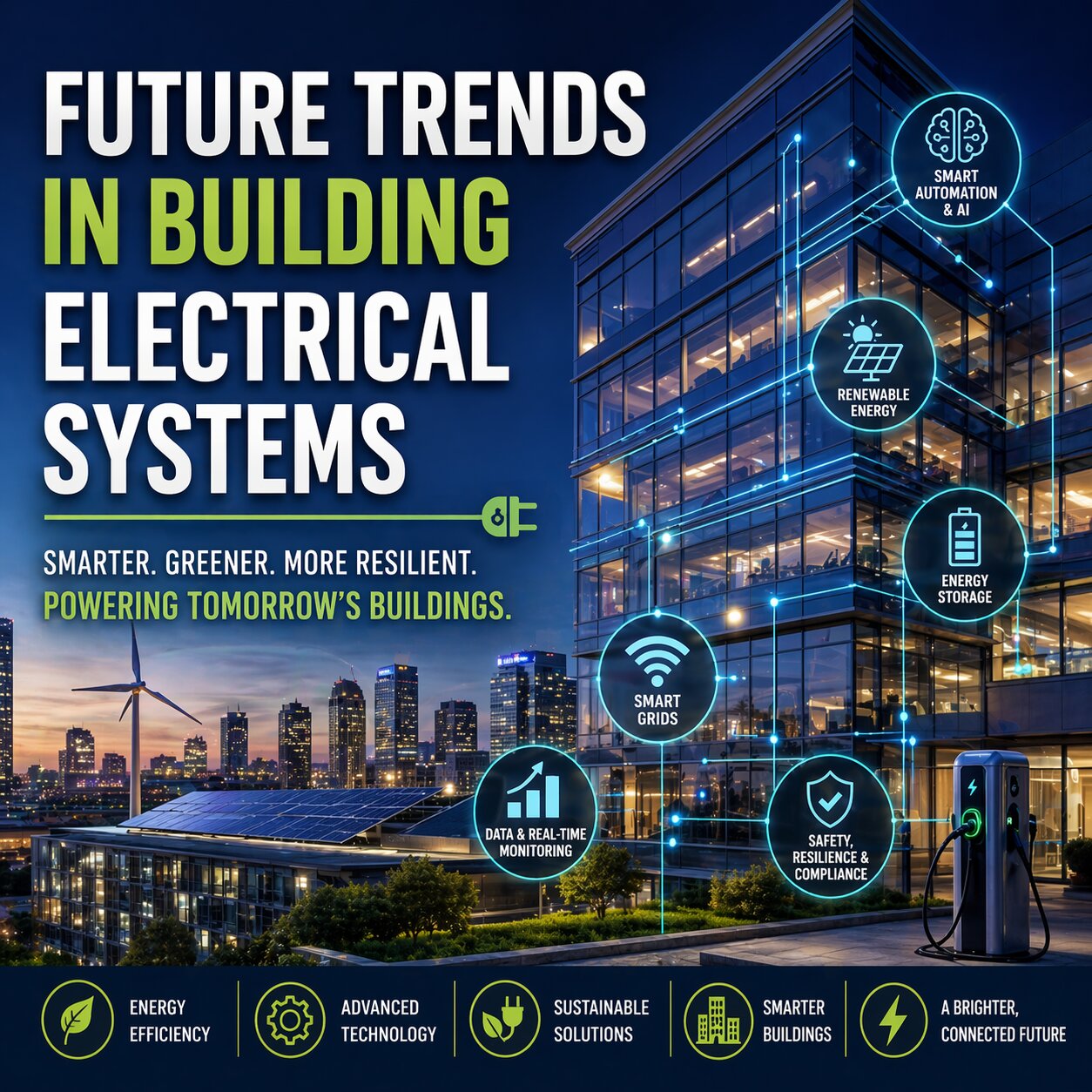
As technology continues to evolve, smart electrical systems will play an even greater role in shaping the buildings of the future. Integration with renewable energy sources, such as solar power, is already becoming more common, allowing buildings to generate and manage their own energy.
Artificial intelligence and machine learning are also expected to enhance these systems further. Predictive analytics will enable buildings to anticipate energy needs, identify potential failures before they occur, and continuously improve performance.
With the push toward smart cities and sustainable infrastructure, the adoption of intelligent electrical solutions is no longer optional. It is becoming a necessity for modern development.
Building smarter, more efficient spaces
Smart electrical systems are transforming how buildings function, making them more efficient, safer, and easier to manage. From energy savings to improved comfort and enhanced safety, the benefits are clear across all sectors.
As more developers and property owners embrace these technologies, the shift toward intelligent infrastructure will continue to accelerate. Investing in smarter electrical solutions today is a step toward more sustainable and future-ready buildings tomorrow.