Cities are often associated with concrete buildings, paved roads, and carefully maintained public spaces. Although parks and landscaped gardens provide valuable greenery, they do not always support the ecological relationships found in natural environments. Urban rewilding offers a different approach to restoring biodiversity within developed areas.
Rather than treating nature as decoration, urban rewilding seeks to restore ecological processes and create opportunities for native plants and wildlife to thrive. It can involve transforming neglected land, restoring waterways, or changing how existing green spaces are managed.
How Urban Rewilding Works
Traditional urban landscaping often prioritises appearance, accessibility, and predictable maintenance. Grass is cut regularly, fallen leaves are removed, and vegetation is arranged according to specific designs. While these practices serve practical purposes, they can reduce habitat diversity.
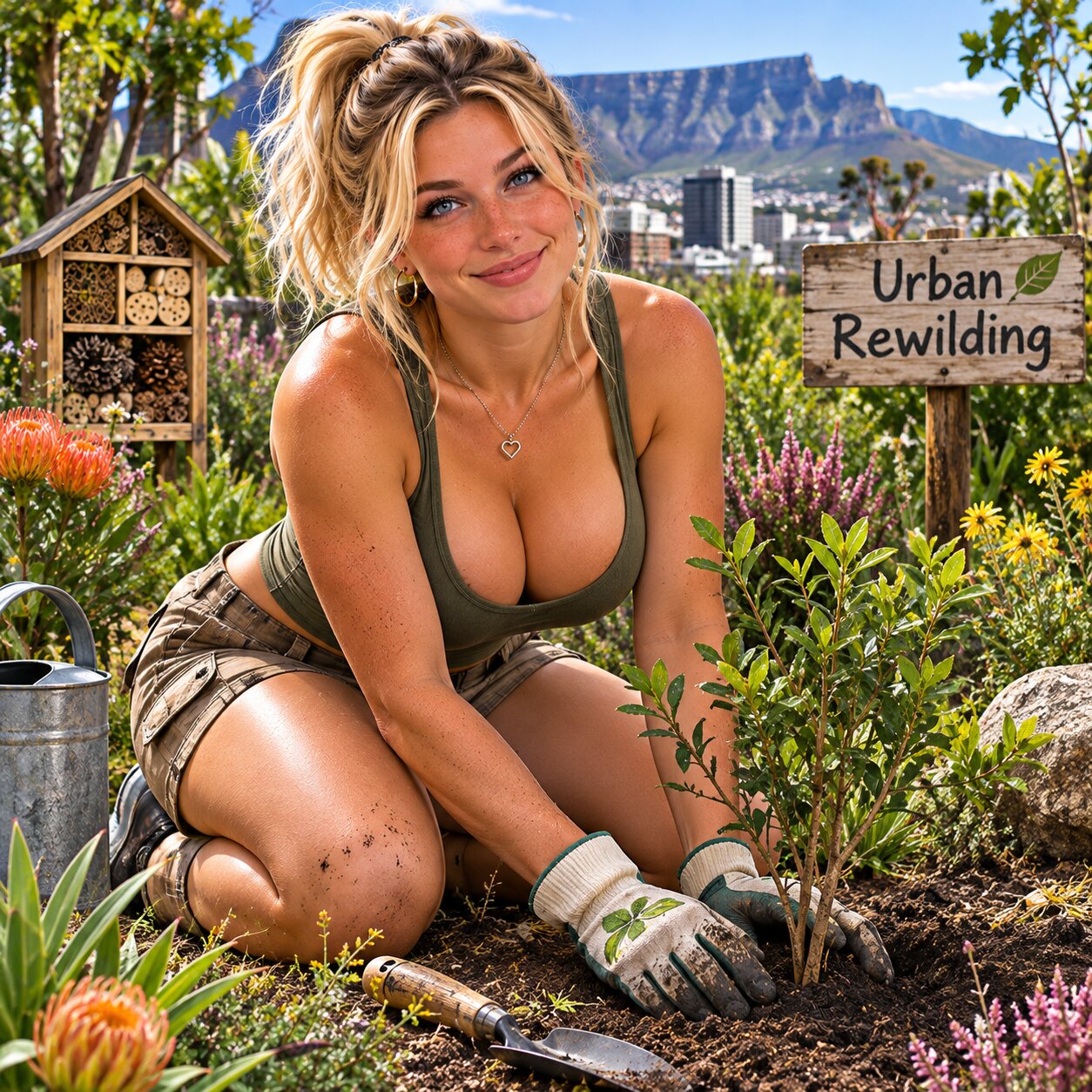
Urban rewilding introduces management practices that allow ecosystems to develop more naturally. This might include planting indigenous vegetation, reducing unnecessary mowing, restoring wetlands, or allowing suitable areas to regenerate. The goal is not necessarily to eliminate human involvement, but to support ecological functions that conventional landscaping may suppress.
Restoring Native Plant Communities
Indigenous plants provide important resources for local insects, birds, and other wildlife. They are often adapted to regional environmental conditions, although individual species still require suitable soil, water, and growing environments. Replacing some ornamental planting with locally appropriate species can strengthen ecological connections.
In Cape Town, for example, restoration projects can incorporate suitable fynbos species where environmental conditions support them. However, not every indigenous plant belongs in every location. Successful rewilding requires understanding the original habitat, existing ecological conditions, and the needs of surrounding communities.
Creating Wildlife Corridors
Urban development frequently divides natural habitats into isolated fragments. Roads, buildings, fences, and extensive paved surfaces can restrict the movement of wildlife between these areas. Smaller populations may struggle to access food, breeding opportunities, or suitable shelter.
Green corridors can improve connectivity by linking parks, rivers, gardens, and remaining natural spaces. These connections might involve planted road verges, restored riverbanks, or strategically positioned vegetation. Their effectiveness depends on the species involved and whether the corridor provides genuinely usable habitat.
Bringing Life Back to Urban Rivers
Many urban waterways have been straightened, channelled, polluted, or disconnected from their surrounding floodplains. Such modifications can reduce habitat quality and alter natural water movement. Restoring suitable river sections can improve ecological conditions while supporting broader stormwater management strategies.
Projects may involve removing invasive vegetation, rehabilitating riverbanks, improving water quality, or restoring appropriate wetland features. However, interventions must consider flooding risks, existing infrastructure, and local environmental requirements. Poorly planned restoration can create new problems rather than solving existing ones.
The Benefits for Urban Communities
Urban rewilding can provide environmental and social benefits when implemented appropriately. Vegetation may contribute to cooling, improve certain aspects of stormwater management, and create habitats for pollinators and other organisms. Access to attractive natural spaces can also support recreation and wellbeing.
These benefits are not distributed automatically. Communities with limited access to safe green spaces may require targeted investment to experience meaningful improvements. Effective projects should consider accessibility, public safety, maintenance responsibilities, and long-term environmental performance.
Challenges of Rewilding Cities
Allowing vegetation to grow more naturally can sometimes conflict with expectations about tidy public spaces. Residents may interpret taller grasses or fallen branches as signs of neglect. Other concerns include invasive species, fire management, pests, and reduced visibility along pathways.
Successful projects therefore require communication and thoughtful planning. Clear pathways, educational signage, selective maintenance, and ongoing ecological monitoring can help balance biodiversity objectives with public needs. Rewilding does not mean abandoning responsibility for urban landscapes.
Making Space for Nature Again
Urban rewilding represents an opportunity to reconsider the relationship between cities and their surrounding ecosystems. Even modest interventions can contribute to wider restoration efforts when they are ecologically appropriate and connected to broader conservation objectives.
For Sustainable Systems Technologies, the most valuable lesson is that sustainable urban development should do more than minimise environmental damage. It should also explore practical ways to restore ecological functions that development has disrupted.
A greener city is valuable, but a city where nature can genuinely flourish offers something more meaningful.