Electrical wiring in commercial buildings is far more than a technical necessity; it is the backbone of safe, efficient, and compliant operations. From office blocks and retail centres to industrial facilities, wiring systems must meet strict standards to ensure reliability, reduce risks, and support modern energy demands.
As buildings become more complex and technology-driven, electrical wiring standards continue to evolve. Compliance is not only about meeting legal requirements but also about creating systems that can adapt to future needs, improve efficiency, and protect both people and assets.
Understanding the importance of electrical wiring standards
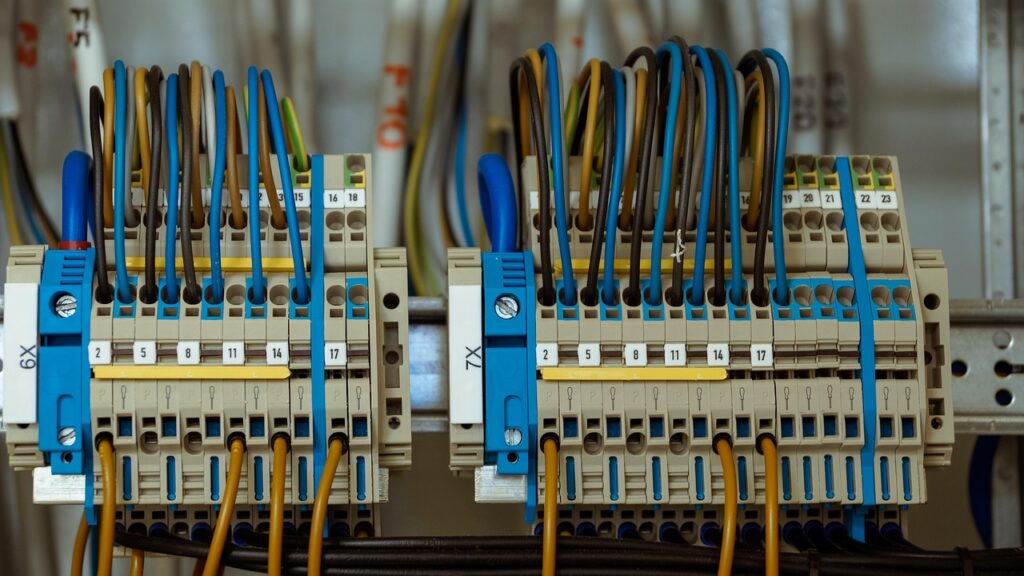
Electrical wiring standards provide a framework for how systems should be designed, installed, and maintained. In South Africa, these standards are largely guided by regulations such as SANS 10142, which outlines best practices for low-voltage electrical installations.
These standards ensure that installations minimise the risk of electrical faults, fires, and system failures. Proper wiring design includes considerations for load capacity, circuit protection, earthing, and insulation, all of which contribute to a safe working environment.
Beyond safety, compliance with recognised standards also supports insurance requirements and building certifications. Non-compliant installations can lead to costly penalties, operational downtime, and increased liability risks for property owners and managers.
Key components of commercial wiring systems
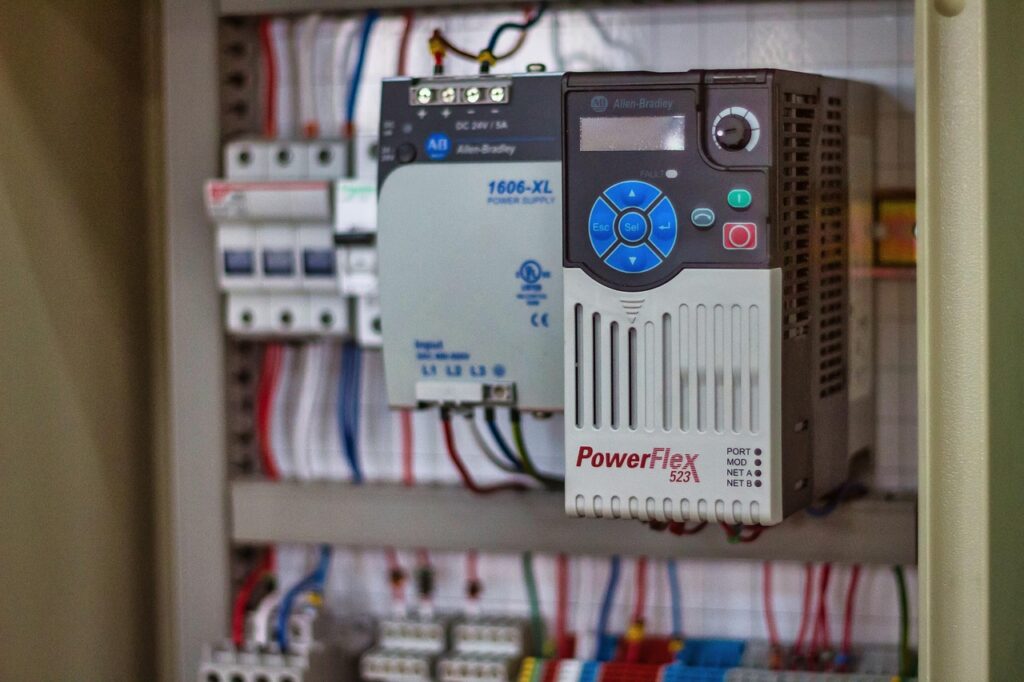
A commercial wiring system is made up of several interconnected components, each playing a vital role in ensuring consistent power delivery and system protection. Understanding these elements helps stakeholders make informed decisions during design and maintenance phases.
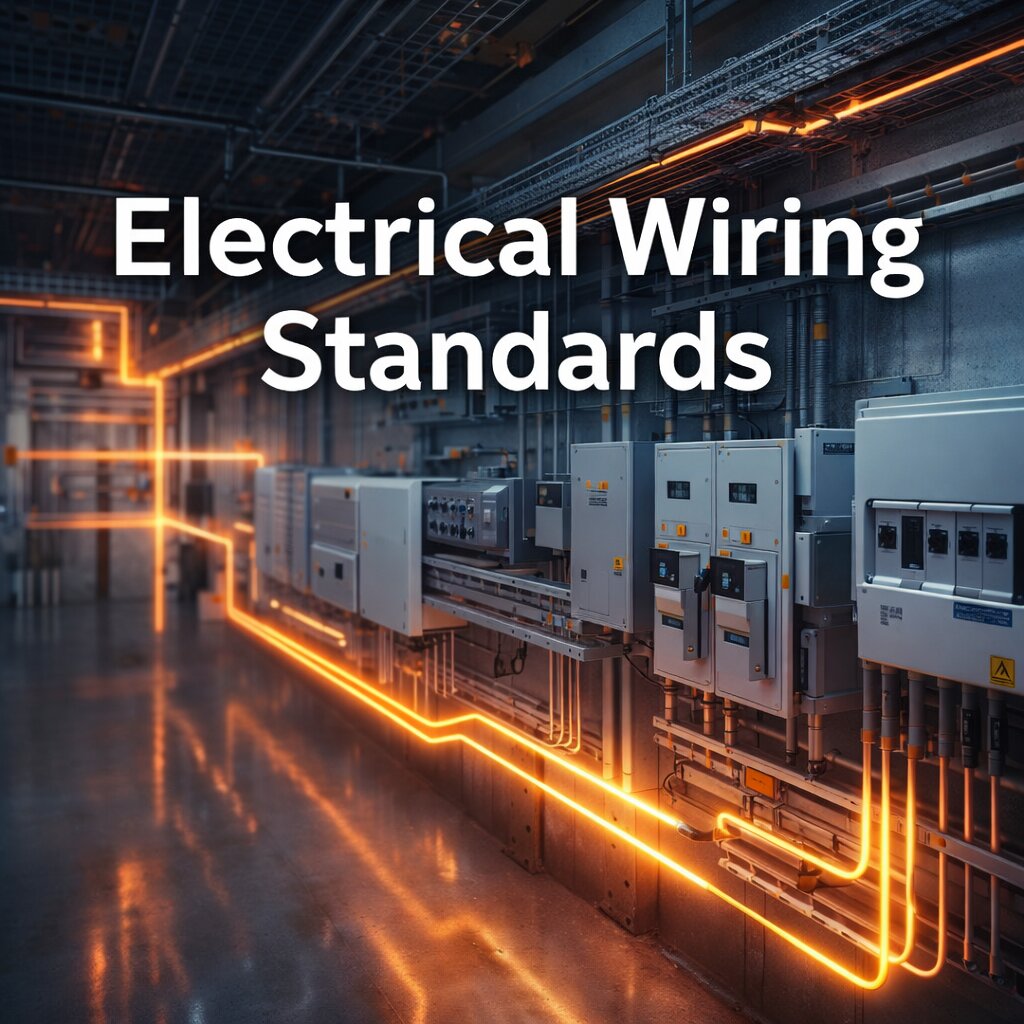
At the core are distribution boards, which manage the flow of electricity across circuits. These are supported by protective devices such as circuit breakers and residual current devices, which prevent overloads and electrical hazards.
Cabling infrastructure is equally critical. The selection of cables depends on factors such as load requirements, environmental conditions, and installation methods. Proper routing, insulation, and containment systems ensure longevity and reduce the risk of damage or interference.
Best practices for compliant installations
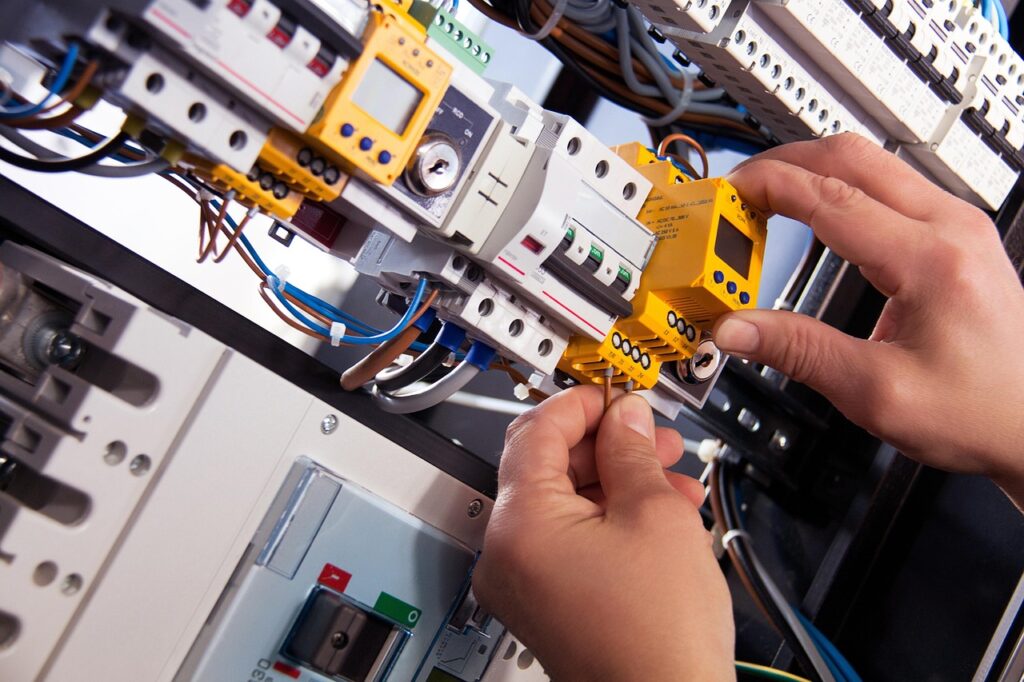
To meet modern standards, electrical installations must follow a combination of regulatory guidelines and industry best practices. These approaches ensure that systems are both safe and future-ready.
- Use certified materials and components that meet recognised standards
- Design systems with adequate load capacity and room for expansion
- Implement proper earthing and bonding techniques
- Ensure clear labelling of circuits and distribution boards
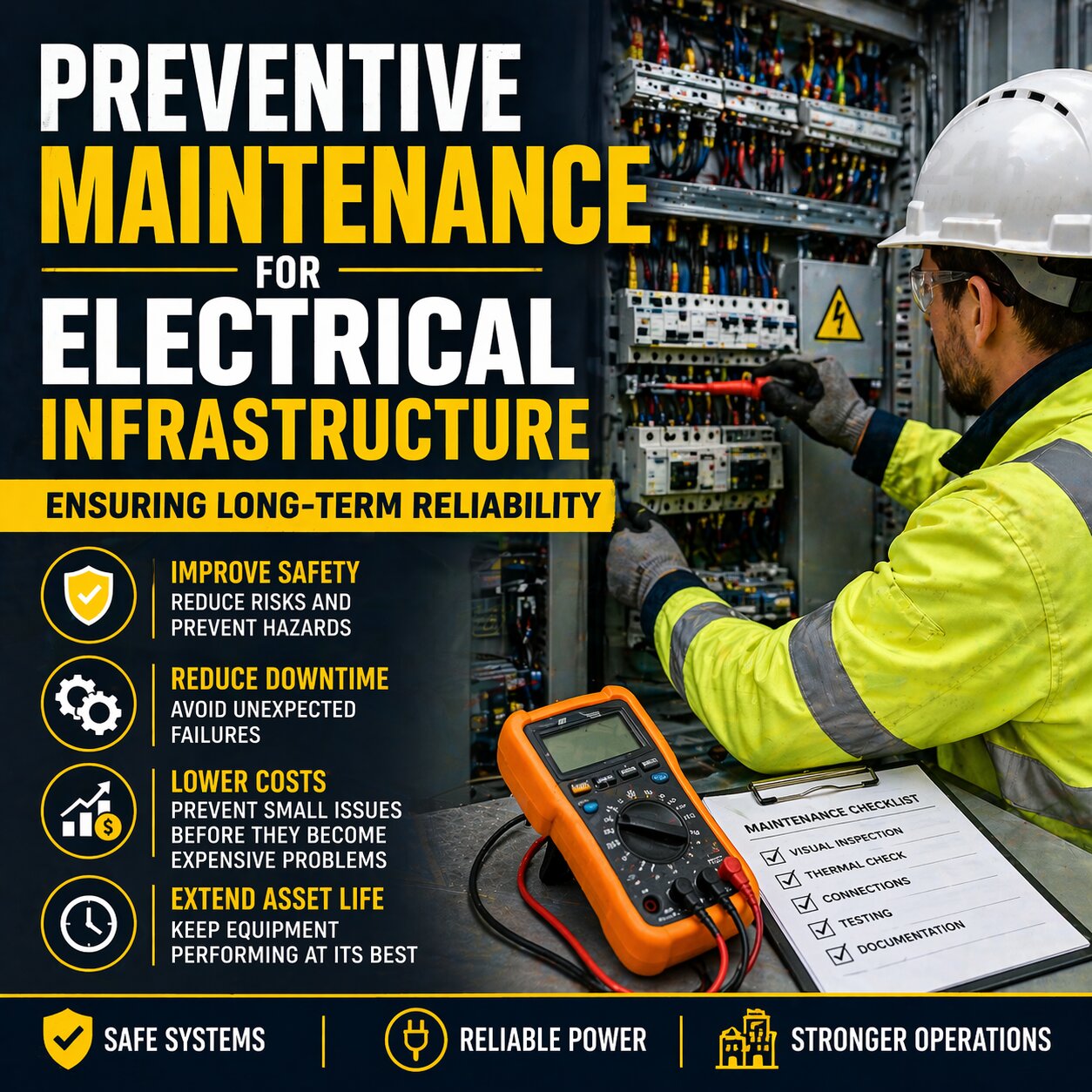
- Conduct regular inspections and testing for compliance
- Integrate surge protection and fault detection systems
Adhering to these practices not only improves safety but also enhances system efficiency and reliability over time.
Adapting to modern commercial demands

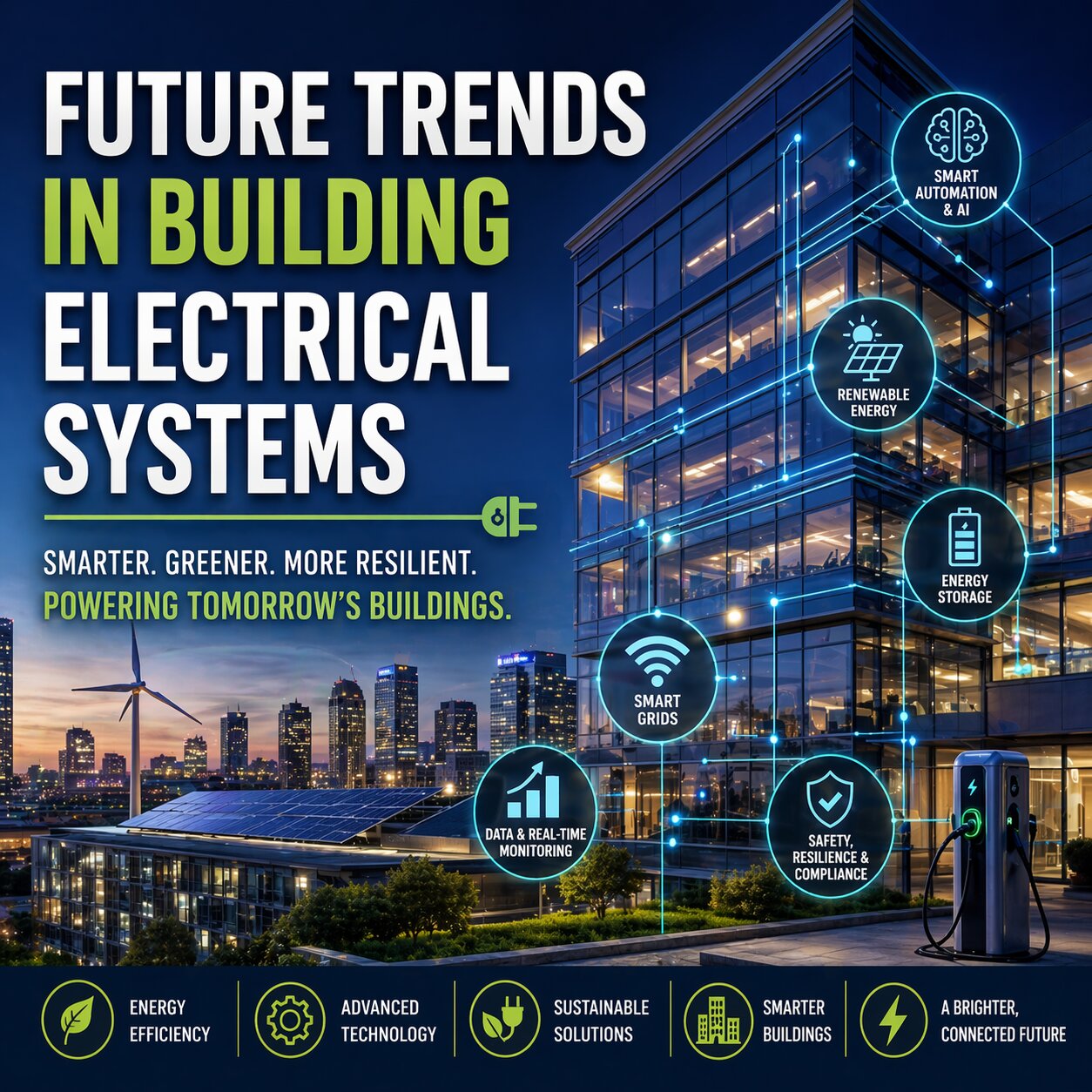
Today’s commercial buildings require more than just basic electrical infrastructure. With the rise of smart systems, automation, and energy-efficient technologies, wiring standards must support increasingly sophisticated demands.
Structured cabling systems are now essential for integrating communication networks, security systems, and IoT devices. These systems must be carefully planned alongside traditional electrical wiring to avoid interference and ensure seamless operation.
Energy efficiency is another key consideration. Modern wiring standards encourage the use of energy monitoring systems, efficient lighting circuits, and renewable energy integration. This allows businesses to reduce operational costs while meeting sustainability goals.
Building safer and smarter electrical systems
Electrical wiring standards for commercial buildings are not static; they evolve alongside technology and industry needs. Staying compliant requires ongoing attention, from initial design through to regular maintenance and upgrades.
For property developers, facility managers, and contractors, investing in compliant and well-designed wiring systems is essential. It ensures safety, supports business continuity, and creates a foundation for future innovation.
As commercial environments continue to advance, robust electrical wiring standards will remain central to building infrastructure that is not only functional but also resilient and forward-thinking.