Modern cities are dominated by buildings, roads, concrete and other surfaces that often leave limited space for natural vegetation. As urban areas expand, the loss of green spaces can contribute to rising temperatures, reduced biodiversity and increased stormwater runoff. Architects, developers and sustainability specialists are therefore exploring ways to introduce vegetation directly into the built environment.
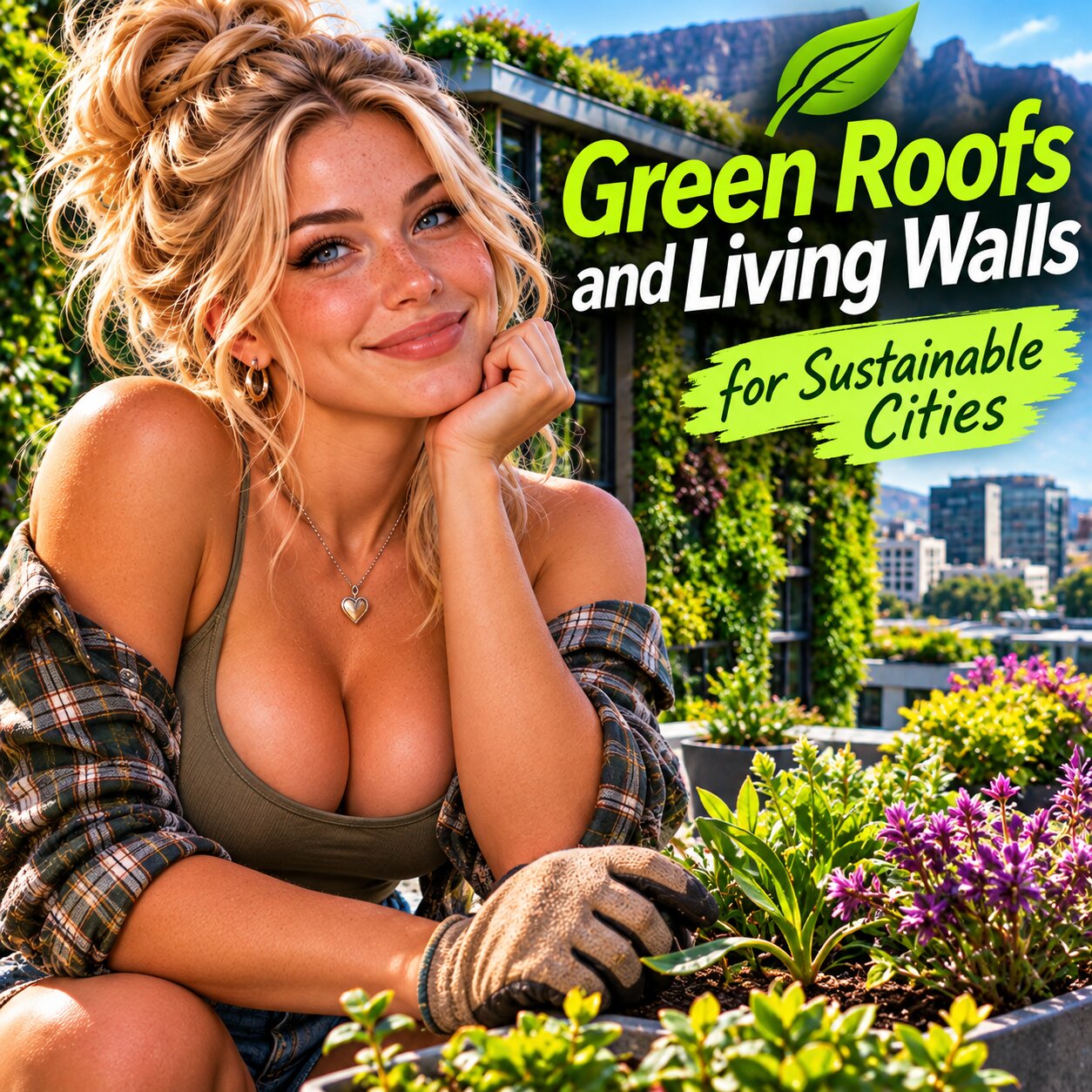
Green roofs and living walls are two approaches that transform conventional building surfaces into planted spaces. Although they cannot replace healthy natural ecosystems, these systems can contribute to more sustainable urban environments when properly designed and maintained.
What Are Green Roofs?
Green roofs are roofing systems that incorporate vegetation above a waterproofed building structure. They typically include growing media, drainage components, protective layers and plants selected for the local climate. Their design must account for structural loading, waterproofing and long-term maintenance.
There are two broad categories of green roofs. Extensive systems generally use relatively shallow growing media and low-growing vegetation, requiring less maintenance than more elaborate installations. Intensive systems support deeper growing media, potentially accommodating shrubs, gardens and accessible recreational spaces.
The appropriate design depends on building capacity, rainfall patterns, intended use and available maintenance resources. Professional structural assessment is essential before converting an existing roof into a vegetated space.
What Are Living Walls?
Living walls are vertical systems that support plants on building façades or dedicated structures. They differ from traditional green façades, where climbing plants grow across supporting frameworks or directly against suitable surfaces. Living walls may incorporate modular planting containers, engineered growing media and irrigation systems.
These installations can transform otherwise unused vertical spaces into vegetated surfaces. Depending on their design, they may also provide shading, improve local aesthetics and create opportunities for urban biodiversity. However, they require careful planning to prevent water damage and ensure plants receive appropriate nutrients and moisture.
Maintenance access is particularly important for tall installations, where replacing plants or repairing irrigation equipment can become complicated. Designers must also consider wind exposure, sunlight and seasonal temperature changes.
Reducing the Urban Heat Island Effect
Urban heat islands develop when built-up areas experience higher temperatures than surrounding less-developed environments. Roads, roofs and other surfaces absorb and retain solar energy, while limited vegetation reduces natural cooling opportunities. Green infrastructure can help address these conditions through shading and evapotranspiration.
Plants release water vapour as part of their biological processes, which can contribute to local cooling. Vegetated roofs may also reduce heat transfer into buildings, potentially lowering cooling demand under suitable conditions. The actual benefits depend on climate, building design, vegetation, water availability and insulation.
Green roofs and living walls should therefore be considered part of a broader urban cooling strategy rather than standalone solutions. Combining them with shade trees, reflective materials and efficient building design may provide greater overall benefits.
Supporting Urban Biodiversity
Cities can provide valuable habitats for certain plants, insects and birds when suitable green spaces are available. Green roofs and living walls may create additional feeding, sheltering and nesting opportunities, particularly when they incorporate diverse, locally appropriate vegetation.
Indigenous plants can be especially valuable because they may support ecological relationships with native pollinators and other organisms. However, plant selection should also consider root behaviour, growing conditions and maintenance requirements. A visually attractive installation does not automatically provide meaningful ecological benefits.
Connecting green infrastructure with parks, gardens and other vegetated areas may strengthen its contribution to urban biodiversity. The ecological value of each installation depends largely on its design and surrounding environment.
Improving Stormwater Management
Conventional roofs typically direct rainfall rapidly into gutters, drains and municipal stormwater systems. During heavy rainfall, large volumes of runoff can place pressure on urban drainage infrastructure. Green roofs can retain some rainfall within their growing media and vegetation, slowing the release of water.
The amount retained depends on the roof’s design, soil depth, plant coverage, previous moisture conditions and rainfall intensity. During prolonged or particularly heavy storms, storage capacity can become saturated, reducing the system’s effectiveness. Green roofs should therefore complement properly designed drainage infrastructure.
In South Africa, integrating green roofs with broader water-sensitive urban design strategies could provide additional opportunities for managing stormwater. These approaches may be particularly valuable where urban development has increased the amount of impermeable surface area.
Challenges of Green Roofs and Living Walls
Although vegetated building systems offer potential benefits, they also introduce technical and financial considerations. Buildings must be assessed for additional structural loads, including the weight of saturated growing media. Waterproofing, root barriers, drainage and irrigation must be suitable for the installation.
Living walls may require regular irrigation and nutrient management, especially in hot or dry climates. Poor maintenance can result in plant losses, blocked drainage systems or deterioration of building components. Installation costs can also exceed those of conventional building finishes.
Successful projects require realistic lifecycle planning rather than focusing exclusively on their initial appearance. Long-term performance depends on maintenance budgets, appropriate plant selection and reliable system design.
Green Infrastructure in South Africa
South African cities face diverse environmental conditions, ranging from winter rainfall in parts of the Western Cape to summer thunderstorms across much of the interior. Water scarcity, intense heat and varying building standards influence which green infrastructure solutions are practical.
Drought-tolerant vegetation, efficient irrigation and responsible water management should be central considerations. Rainwater harvesting and appropriately treated alternative water sources may help reduce reliance on potable water where regulations and system design permit. Local climate conditions must guide plant selection and maintenance planning.
Green infrastructure can support sustainable urban development, but projects should be assessed against measurable environmental outcomes. A successful installation should provide practical benefits without creating excessive water demand or maintenance burdens.
Creating Greener Buildings for the Future
Green roofs and living walls demonstrate how buildings can incorporate natural systems into their design. Their potential benefits include improved thermal performance, stormwater management, urban biodiversity and more attractive surroundings. However, these outcomes depend on appropriate engineering, plant selection and long-term care.
At Sustainable Systems Technologies, we believe sustainable development requires solutions that balance environmental performance with practical implementation. Exploring green infrastructure alongside responsible water management and energy-efficient design can help create more resilient urban environments.