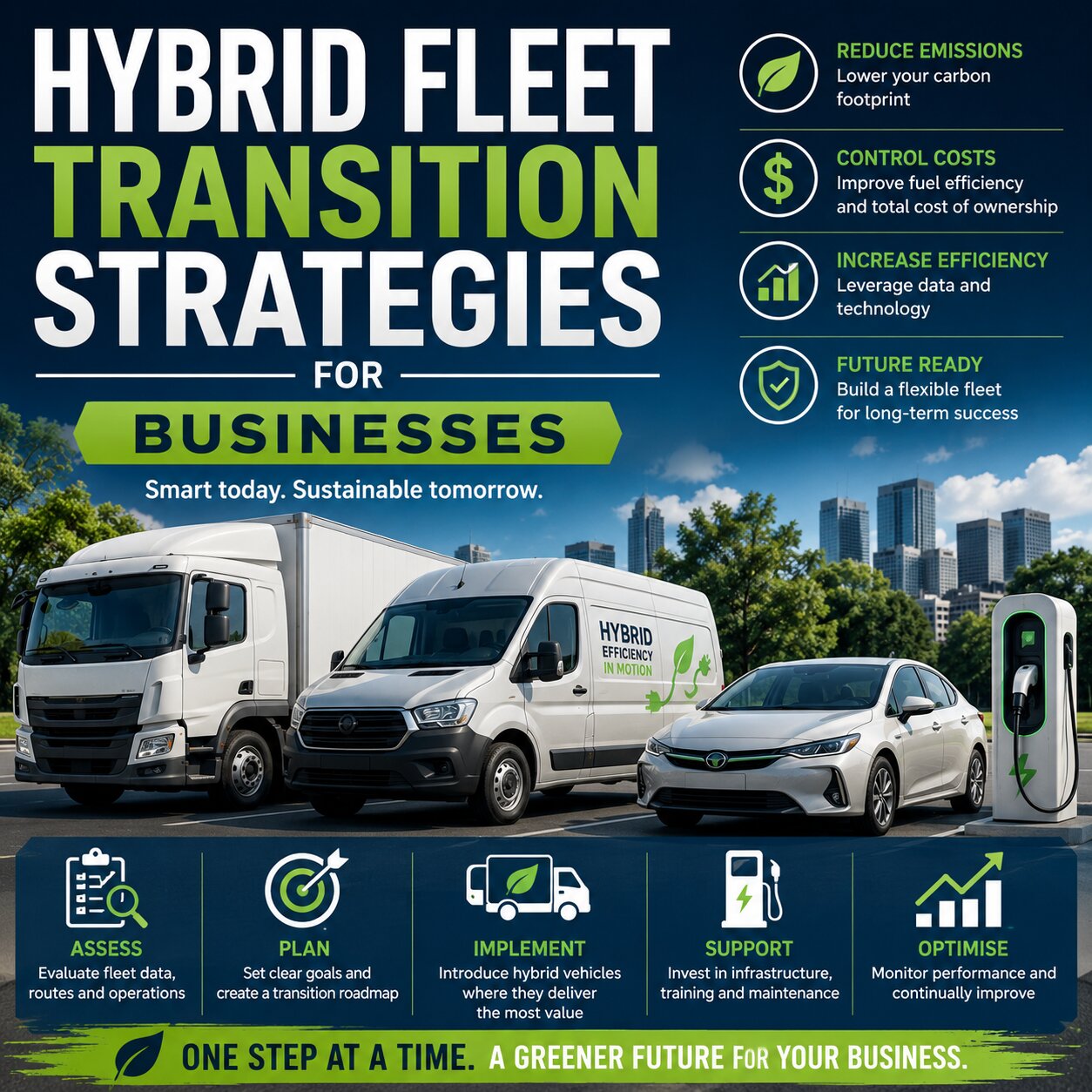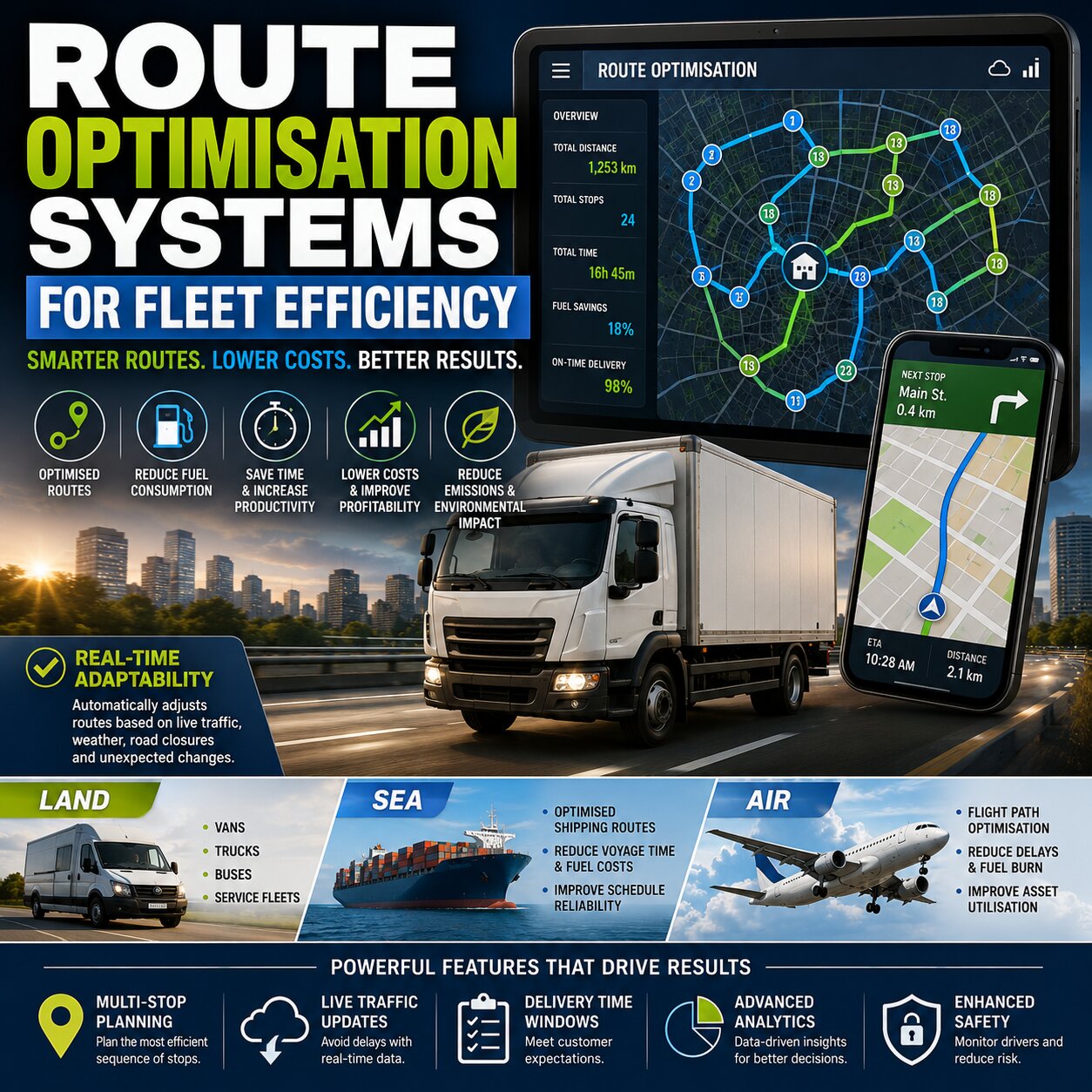
Modern transport and logistics operations face constant pressure to reduce costs, improve delivery speeds, lower fuel consumption, and meet growing customer expectations. This is why route optimisation systems have become essential tools for businesses managing vehicle fleets. Whether companies operate delivery vans, freight trucks, maintenance vehicles, or service fleets, intelligent routing technology helps improve operational efficiency while reducing unnecessary expenses.
Route optimisation systems use advanced software, GPS tracking, live traffic data, artificial intelligence, and predictive analytics to determine the most efficient routes for fleet vehicles. Instead of relying on static maps or manual planning, these systems continuously adapt to real-world conditions such as congestion, weather, road closures, and changing delivery schedules.
As fuel prices and operational demands continue to rise, route optimisation systems are becoming one of the most valuable technologies in modern fleet management.
How Route Optimisation Systems Improve Fleet Operations
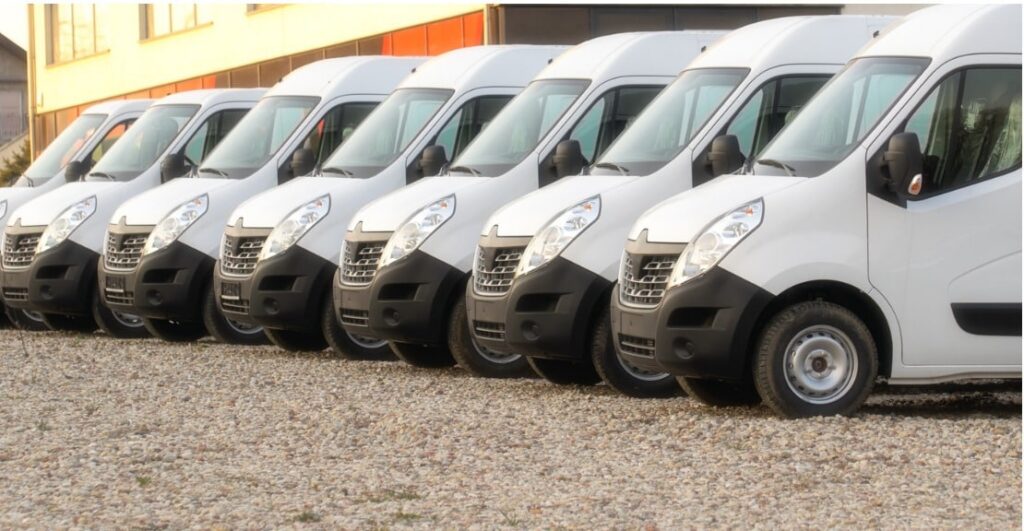
Traditional route planning often depended on driver experience or basic navigation tools. While effective to a degree, these methods rarely accounted for multiple real-time variables simultaneously. Route optimisation systems solve this problem by processing enormous amounts of data instantly.
The primary goal is simple: reduce wasted time and distance travelled while maximising productivity. However, the benefits extend far beyond shorter routes alone. Modern route optimisation systems help businesses improve vehicle utilisation, reduce idle times, minimise late deliveries, and lower operational stress on drivers.
Live GPS tracking allows dispatchers to monitor vehicle movements continuously. If heavy traffic develops or an accident blocks a route, the system can immediately suggest an alternative path. This flexibility helps maintain schedules while reducing fuel waste caused by delays and congestion.
Many systems also factor in delivery priorities, customer time windows, vehicle capacity limits, driver working hours, and fuel efficiency patterns. By balancing these variables intelligently, route optimisation systems help businesses manage large fleets far more effectively than manual planning methods.
Another major advantage is data collection. Fleet managers gain access to detailed analytics showing travel times, driver performance, fuel usage, route efficiency, and maintenance trends. This information supports smarter long-term operational decisions.
Fuel Savings And Environmental Benefits
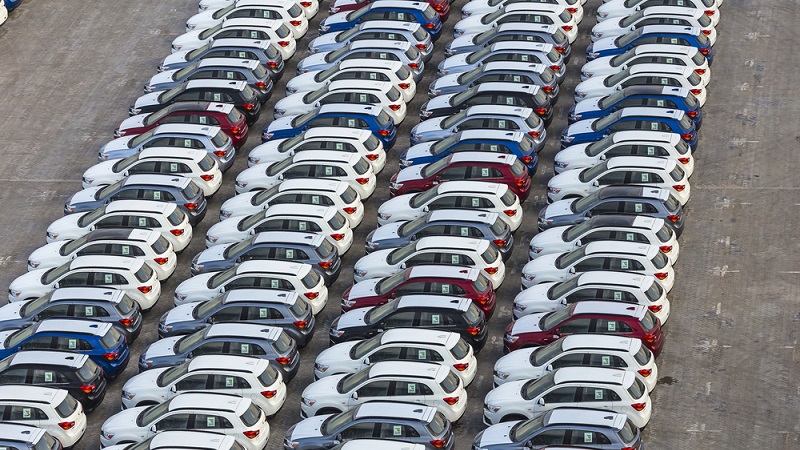
Fuel costs remain one of the biggest expenses in fleet management. One of the strongest reasons companies invest in route optimisation systems is their ability to reduce fuel consumption significantly.
Poorly planned routes increase mileage, idle times, and stop-start driving conditions that waste fuel. Route optimisation systems minimise unnecessary driving by selecting the shortest and most efficient paths available. Even small daily savings become substantial when multiplied across large fleets over months or years.
Reduced fuel consumption also lowers vehicle emissions. As sustainability becomes increasingly important for businesses and governments, route optimisation systems help organisations meet environmental targets while improving profitability at the same time.
Electric vehicle fleets benefit greatly from route optimisation as well. Since EVs operate with limited battery ranges compared to traditional fuel vehicles, efficient routing becomes critical for maintaining operational reliability. Some systems can even calculate charging station availability and battery usage during route planning.
Companies using route optimisation systems often discover additional sustainability benefits through reduced vehicle wear, lower maintenance requirements, and fewer unnecessary trips.
Artificial Intelligence And The Future Of Smart Routing
Artificial intelligence is transforming route optimisation systems into highly adaptive decision-making platforms. Instead of reacting only to current conditions, AI-powered systems can predict traffic patterns, seasonal delivery trends, weather disruptions, and potential delays before they happen.
Machine learning algorithms improve over time by analysing historical fleet data. This allows route optimisation systems to identify patterns that human planners may overlook entirely. The result is faster decision-making and more accurate route predictions.
Some advanced systems now integrate directly with warehouse management software, customer service platforms, and automated dispatch systems. This creates a fully connected logistics ecosystem where delivery schedules, inventory levels, and routing decisions work together seamlessly.
Autonomous vehicle development may further increase the importance of intelligent routing technologies in the future. Self-driving fleets will rely heavily on route optimisation systems to navigate safely and efficiently while coordinating with smart city infrastructure.
Cloud-based systems are also making advanced fleet technologies more accessible to smaller businesses. Companies no longer need massive infrastructure investments to benefit from sophisticated route planning and analytics tools.
Why Businesses Are Prioritising Route Optimisation Systems
Customer expectations for faster deliveries and reliable service continue to grow across industries. Businesses that fail to optimise their fleets risk higher costs, slower operations, and reduced competitiveness.
Route optimisation systems provide a practical solution by improving efficiency across nearly every aspect of fleet management. From reducing fuel consumption and emissions to improving driver productivity and customer satisfaction, these technologies help organisations operate smarter and more sustainably.
As logistics networks become increasingly complex, intelligent routing tools will continue evolving alongside them. Companies investing in route optimisation systems today are positioning themselves for a future where efficiency, adaptability, and sustainability will define successful fleet operations.